 EN
Home Skincare
Ideal for daily facial care routines, providing easy-to-use beauty solutions at home.

2026/10/15
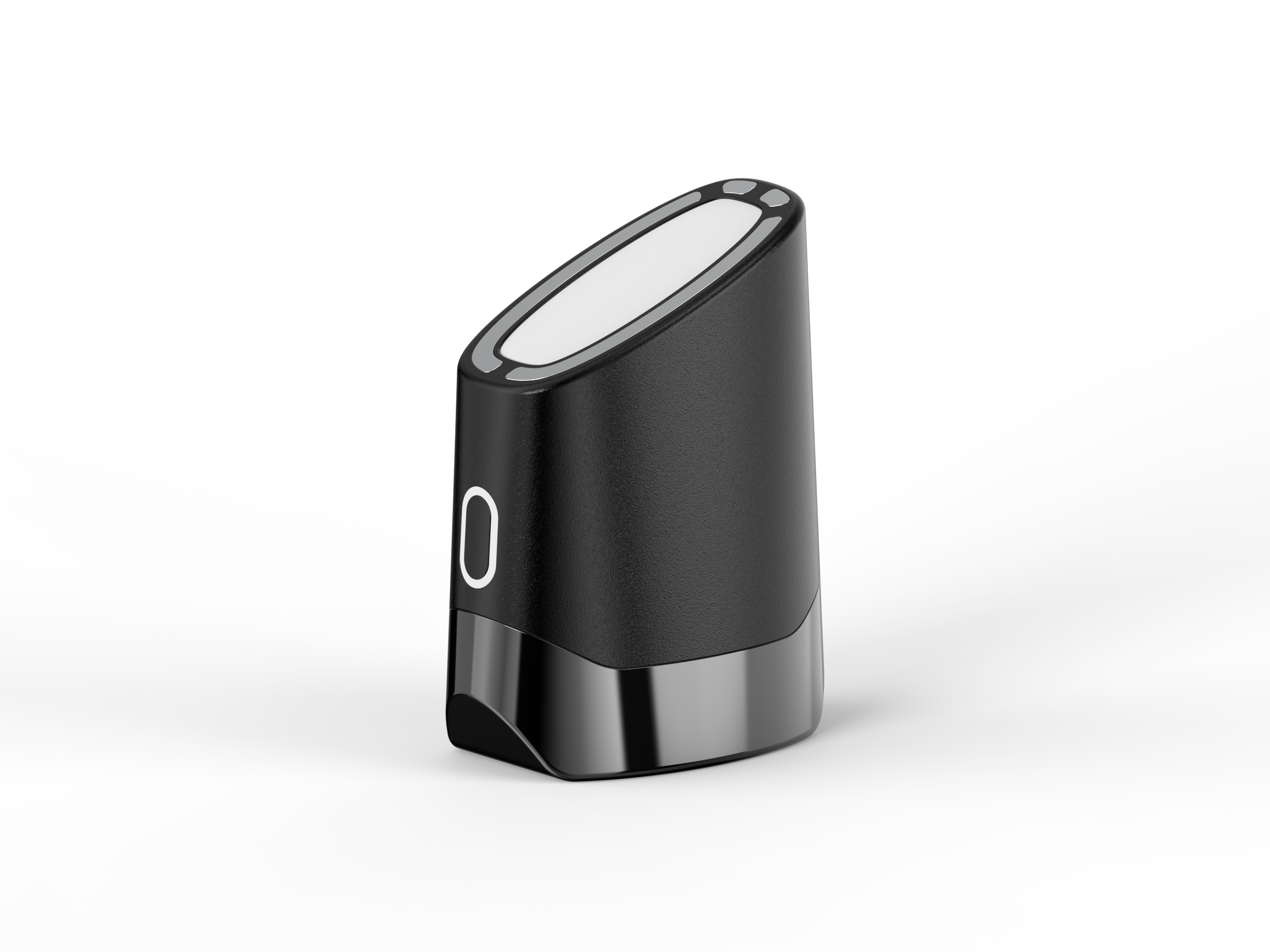
Jawline contouring has become one of the most common reasons people look at an EMS face device. The appeal is understandable: a more defined lower-face appearance can make skin look fresher in photos and can complement a consistent skincare routine. But an informed decision starts with a realistic premise. An EMS face device may support a temporarily more toned-looking appearance and a deliberate self-care routine; it does not reshape the jawbone, remove fat on demand, or replace medical treatment.
As a technical adviser looking at home beauty devices, I would judge an EMS face tool by more than an attention-grabbing “lift” claim. The useful questions are whether its stimulation is comfortable and controllable, whether the instructions clearly define facial placement, and whether a person can use it consistently and safely. Those practical points matter far more than a dramatic before-and-after promise.
EMS means electrical muscle stimulation. In a facial context, an EMS face device delivers low-level electrical pulses through contact points or conductive gel to stimulate muscle activity. That is different from a passive massage tool. Depending on the product design, you may feel a light tapping, pulsing, or contraction-like sensation while using an EMS face device.
That mechanism explains why the technology is relevant to jawline contouring. The lower face contains muscles involved in expression and movement, and a thoughtfully designed EMS face routine can add a focused muscle-stimulation step to at-home care. The most responsible expectation is subtle: after regular, correct use, some people may notice that their jawline area looks temporarily more awake or more defined. Individual response, baseline anatomy, skin condition, hydration, and lifestyle all affect what is visible.
It is equally important not to confuse EMS face technology with every device that uses electrical current. Microcurrent and EMS are often grouped together in shopping results, yet their sensations and intended stimulation approach can differ. Rather than assuming they are interchangeable, compare the manufacturer’s stated technology, use protocol, contact medium, and contraindications.
The jawline is visually prominent, so small shifts in muscle tension, posture, puffiness, or skin appearance can be noticeable. An EMS face device gives users a repeatable way to focus on this zone rather than relying only on occasional salon appointments. For people who value a short, structured routine, that repeatability can be the strongest reason to use an EMS face tool.
Consistency is the key word. Many people initially assume that a more powerful setting will create a better result. In practice, a comfortable setting used according to the manual is usually the more sustainable choice. An EMS face device that is awkward, irritating, or difficult to position is unlikely to become part of a routine, no matter how many modes it lists.
Another benefit is intentionality. A regular EMS face session encourages users to slow down, apply conductive medium where required, and pay attention to how their skin feels. That does not make it a cure for laxity or asymmetry, but it can make at-home contour care feel more methodical than a purely cosmetic quick fix.
A sound reason to choose an EMS face device is to support a maintenance-oriented routine, not to chase a permanent facial transformation. Jawline definition is influenced by bone structure, fat distribution, skin elasticity, fluid retention, expression habits, and many other factors that a home device cannot control. Marketing that suggests an EMS face tool can deliver a surgical-style result should be treated cautiously.
A more useful benchmark is whether the device helps you maintain a consistent routine and whether any visible effect is comfortable, modest, and compatible with your skin. If your priority is an immediate event-ready appearance, hydration, rest, makeup technique, or professional advice may also be part of the picture. If your concern is sudden asymmetry, pain, facial weakness, or a medical condition, an EMS face device is not the right first step; seek qualified clinical advice.
Safety deserves as much attention as contouring. Follow the exact manual for your EMS face device, including electrode placement, session length, compatible gel, and cleaning. Start at the lowest comfortable intensity rather than trying to “feel” a stronger result. Do not place stimulation where the manufacturer says not to place it, and do not improvise with pads or settings intended for another body area.
FDA guidance for powered muscle stimulators includes important general cautions: people with cardiac demand pacemakers should not use them, stimulation should not be applied over the carotid sinus nerves, and skin irritation or burns beneath electrodes have been reported. Those are not a complete list of contraindications for every EMS face product. Read the product-specific warnings and ask a qualified healthcare professional before use if you are pregnant, have an implanted electronic device, have a neurological or cardiac condition, are recovering from a procedure, or are unsure whether electrical stimulation is appropriate for you.
Stop using an EMS face device if you experience pain, burning, marked redness, dizziness, or an unexpected reaction. Avoid use over broken, infected, inflamed, or highly irritated skin. The goal is controlled, comfortable stimulation—not discomfort as proof that the routine is working.
An EMS face device can be worthwhile when your goal is a convenient, non-invasive routine that may support a temporarily more toned-looking jawline and when you can use it consistently within its instructions. It is not worthwhile if you expect it to alter your facial structure, replace medical care, or work through pain.
In practice, choose a well-documented device, begin conservatively, notice how your skin responds, and decide whether it fits a routine you can realistically keep. With that mindset, an EMS face device becomes one optional tool for jawline care—not a promise of instant contouring.

2026/10/30
Discover why in-house mold development helps an RF beauty device manufacturer improve product consistency, iteration speed, tooling control, and production readiness.

2026/10/30
Learn how to verify an RF beauty device manufacturer's R&D and prototyping capabilities using practical engineering workflows and audit checklists.

2026/10/30
Learn what shapes MOQ when choosing an RF beauty device manufacturer and how to plan a lower-risk first order with balanced platform and customization.

2026/10/30
Use this RF beauty device manufacturer evaluation checklist to compare safety evidence, OEM and ODM capability, quality control, and launch readiness.

2026/10/30
See how technology makes beauty at home more guided, consistent, and informed—plus a practical checklist for choosing devices wisely.

2026/10/30
Explore how AI and smart devices shape the future of beauty with responsive routines, clear guidance, trustworthy design, and user-controlled care.

Ideal for daily facial care routines, providing easy-to-use beauty solutions at home.

Perfect for spas and salons’ frequent treatments, enhancing client experiences and results.

Supports dermatologists with advanced devices for professional skin therapy sessions.

Delivers innovative solutions for full-body massage and relaxation with home devices.

Features anti-aging technologies to help reduce wrinkles and stimulate skin vitality.

Specialized devices for safe and effective hair removal suitable for home or clinic use.

Our customers love the Perfect Idea beauty devices. Quality, packaging, and results are all outstanding. We saw increased repeat sales after adding their facial cleansers to our lineup. Their support team is responsive and reliable.

Perfect Idea brings innovation and reliability to home beauty appliances. Our collaboration introduced their massage tools to Japanese women, boosting customer satisfaction and growing our brand trust across the region.

We partnered with Shenzhen Perfect Idea Tech for their beauty equipment. The shipping was fast and every product matched our expectations. Their home-use massagers are especially popular with local salons and home users.

The stylish packaging and attractive design make Perfect Idea stand out. French consumers appreciate the easy instructions and visible results. Communication was efficient and orders always arrived on time.

Perfect Idea home use personal care devices have become a favorite with our clients. The beauty device line offers quality at a reasonable price, and technical training for our staff made onboarding easy.

We selected Perfect Idea for our beauty product portfolio and have seen very positive feedback from our customers. Products are easy to market online and the customer support is reliable and helpful.
