 EN
Home Skincare
Ideal for daily facial care routines, providing easy-to-use beauty solutions at home.

2026/10/05
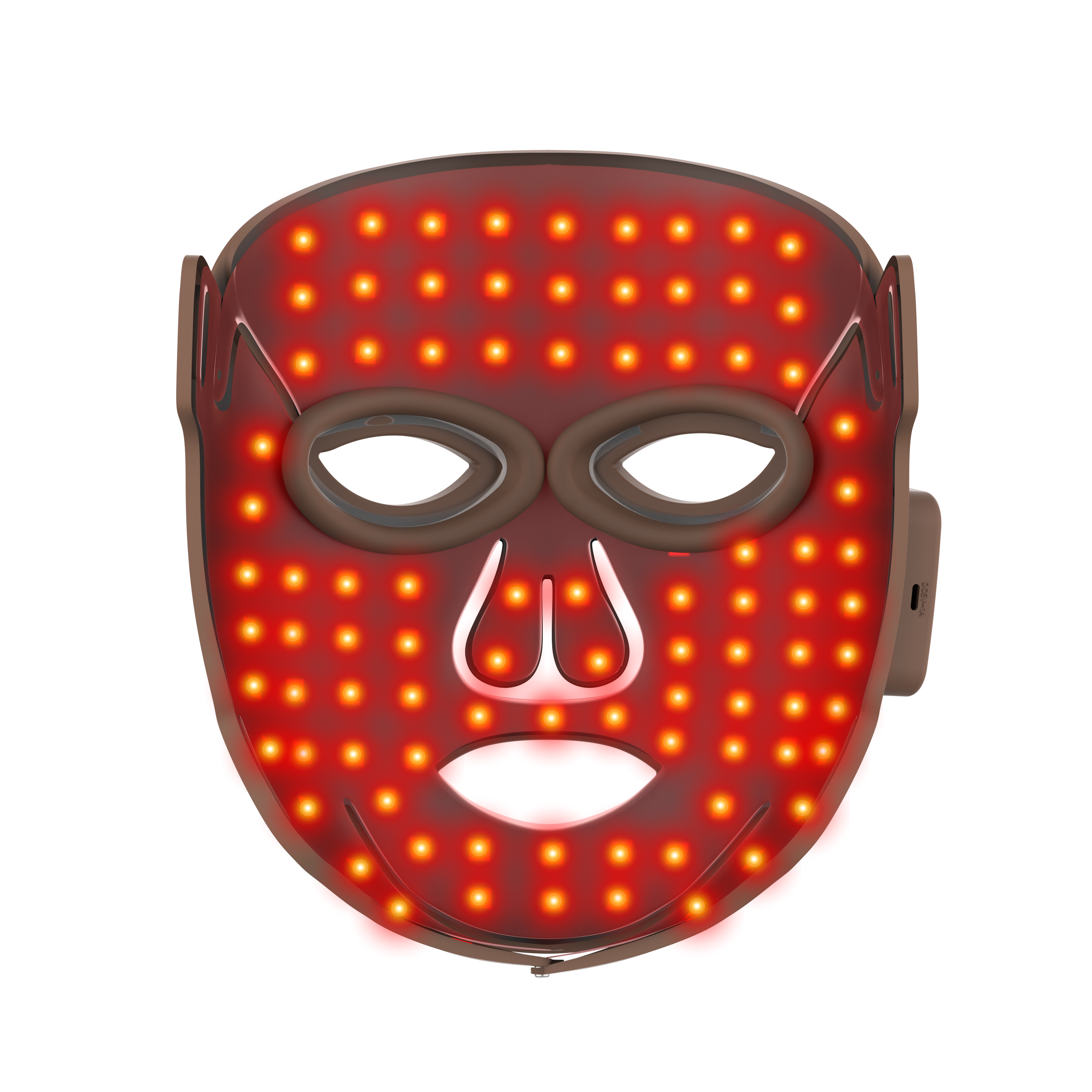
Short answer: for most at-home routines, use a red light mask on clean, dry skin first, then apply your serum. That order keeps the session simple, avoids putting a film between the LEDs and your skin, and lets you resume the rest of your routine afterward. Still, the instructions for your particular device and serum come first.
As a skin-management professional, I find that the confusion usually comes from trying to make one rule fit every formula. A watery, non-irritating serum is not the same thing as a rich oil, a peeling acid, or a prescription topical. The practical goal is not to chase a complicated “activation” ritual. It is to use your red light mask consistently and keep your skin comfortable.
Start by removing makeup, sunscreen, and any heavy residue. Pat your face dry, wear the red light mask for the duration stated by its manufacturer, then apply serum and moisturizer. In a morning routine, finish with broad-spectrum sunscreen.
Why put serum afterward? Clean, dry skin gives you a repeatable baseline. Thick creams, facial oils, tinted products, and some opaque or reflective layers can make the fit messier and may change how comfortable the session feels. There is limited direct research comparing every serum texture under every home LED device, so it is better not to claim that every serum blocks light—or that light will reliably boost serum absorption.
Putting the serum after the red light mask also reduces the chance that a slippery layer will transfer to the mask. That sounds minor, but it makes cleaning easier and helps you follow the same routine each time.
Only when the device maker specifically says it is compatible with a particular conductive gel or lightweight product. Some devices have their own use instructions, and those instructions override a general routine rule. If a product is allowed before treatment, apply a thin, even layer rather than a heavy coat.
Do not treat “serum” as a guarantee of compatibility. A serum may contain oils, pigments, acids, fragrance, retinoids, or other active ingredients. Formula and tolerance matter more than the word on the bottle. If the product stings, leaves a visible film, or makes the mask slide, move it to after the session unless a qualified clinician or the manufacturer advises otherwise.
| Product type | Practical default | Why |
|---|---|---|
| Gentle cleanser | Before | Removes makeup, sunscreen, and surface residue. |
| Hydrating serum | After | Keeps the LED session on clean, dry skin; use before only if the device guidance permits it. |
| Moisturizer or face oil | After | These richer layers are usually more comfortable after the session. |
| Retinoid, exfoliating acid, or strong treatment | Usually after, on a separate night, or as directed | These can be irritating for some people; do not assume they pair well with a red light mask. |
| Sunscreen | After, in the morning | Sunscreen belongs at the end of a daytime routine, not under the mask. |
This sequence is deliberately uncomplicated. Consistency matters more than layering five products around a red light mask. If your skin becomes dry, itchy, unusually warm, or persistently red, stop adding new variables and return to a gentle routine until you can identify what is causing the reaction.
Red LED devices are not the same as UV exposure, but that does not mean every person or product is automatically a fit. The American Academy of Dermatology notes that red light may not be recommended for people taking medication that increases sensitivity to light. If you use a prescription medicine, have a light-sensitive condition, are pregnant, or are managing an active skin condition, ask a dermatologist or prescribing clinician before starting.
The same cautious approach applies to retinoids and exfoliating acids. Many people tolerate them in a routine, but they can also make skin feel dry or reactive while you are adjusting. Rather than apply a new active right before a red light mask, introduce one change at a time. That makes it easier to tell whether irritation comes from the product, the frequency of mask use, or something else.
For most people, use a red light mask before serum application: cleanse, dry the skin, complete the LED session, then apply serum and moisturizer. Use a product beforehand only when your device instructions explicitly allow it. Keep the routine gentle, patch-test unfamiliar products, and seek professional advice if you take photosensitizing medication or have a history of light sensitivity.

2026/10/30
Discover why in-house mold development helps an RF beauty device manufacturer improve product consistency, iteration speed, tooling control, and production readiness.

2026/10/30
Learn how to verify an RF beauty device manufacturer's R&D and prototyping capabilities using practical engineering workflows and audit checklists.

2026/10/30
Learn what shapes MOQ when choosing an RF beauty device manufacturer and how to plan a lower-risk first order with balanced platform and customization.

2026/10/30
Use this RF beauty device manufacturer evaluation checklist to compare safety evidence, OEM and ODM capability, quality control, and launch readiness.

2026/10/30
See how technology makes beauty at home more guided, consistent, and informed—plus a practical checklist for choosing devices wisely.

2026/10/30
Explore how AI and smart devices shape the future of beauty with responsive routines, clear guidance, trustworthy design, and user-controlled care.

Ideal for daily facial care routines, providing easy-to-use beauty solutions at home.

Perfect for spas and salons’ frequent treatments, enhancing client experiences and results.

Supports dermatologists with advanced devices for professional skin therapy sessions.

Delivers innovative solutions for full-body massage and relaxation with home devices.

Features anti-aging technologies to help reduce wrinkles and stimulate skin vitality.

Specialized devices for safe and effective hair removal suitable for home or clinic use.

Our customers love the Perfect Idea beauty devices. Quality, packaging, and results are all outstanding. We saw increased repeat sales after adding their facial cleansers to our lineup. Their support team is responsive and reliable.

Perfect Idea brings innovation and reliability to home beauty appliances. Our collaboration introduced their massage tools to Japanese women, boosting customer satisfaction and growing our brand trust across the region.

We partnered with Shenzhen Perfect Idea Tech for their beauty equipment. The shipping was fast and every product matched our expectations. Their home-use massagers are especially popular with local salons and home users.

The stylish packaging and attractive design make Perfect Idea stand out. French consumers appreciate the easy instructions and visible results. Communication was efficient and orders always arrived on time.

Perfect Idea home use personal care devices have become a favorite with our clients. The beauty device line offers quality at a reasonable price, and technical training for our staff made onboarding easy.

We selected Perfect Idea for our beauty product portfolio and have seen very positive feedback from our customers. Products are easy to market online and the customer support is reliable and helpful.
