 EN
Home Skincare
Ideal for daily facial care routines, providing easy-to-use beauty solutions at home.

2026/10/04
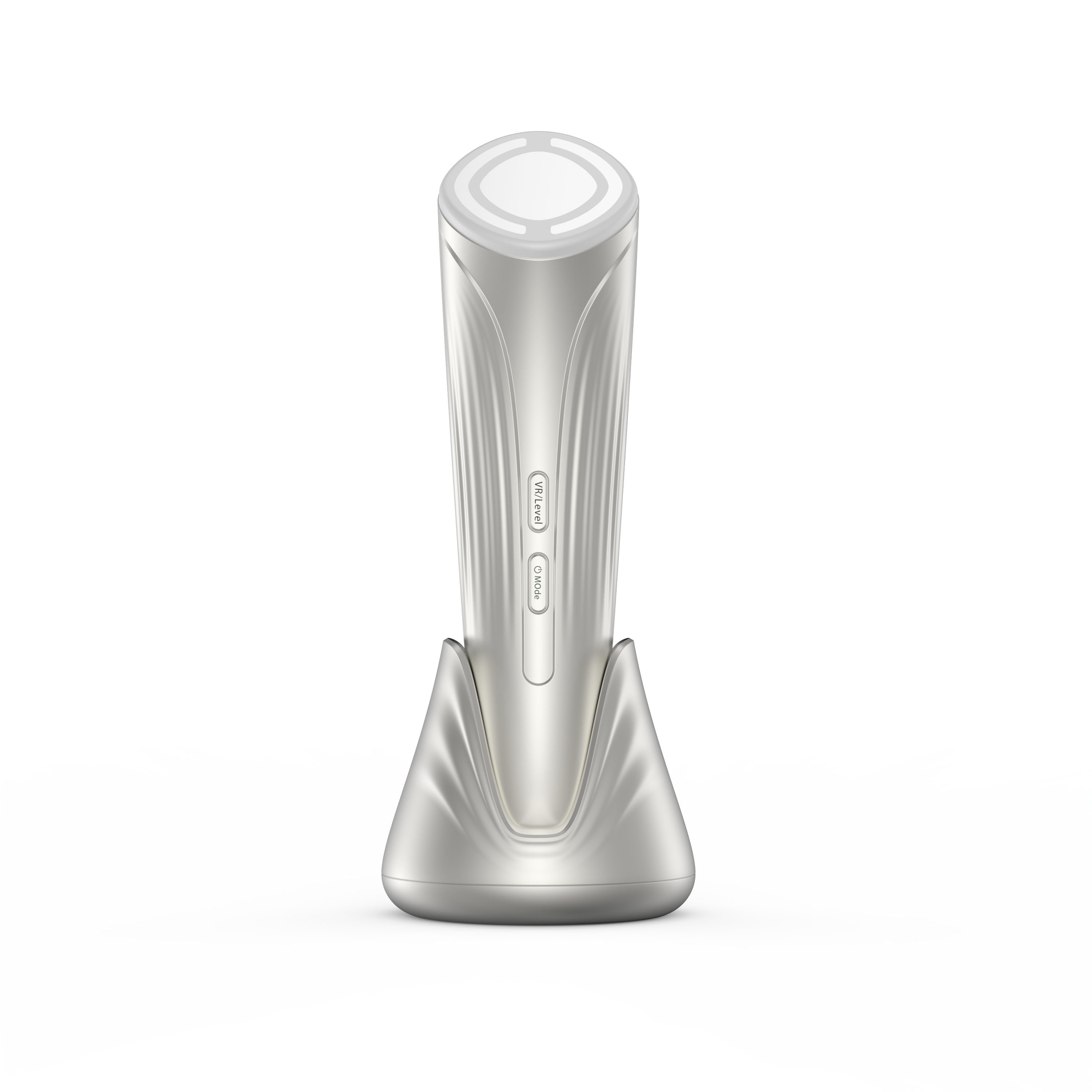
A salon rarely runs out of ideas for new services; it runs out of time, room capacity, and confidence that new beauty equipment will earn its place. That is why the case for multi-functional beauty equipment is not simply “more functions are better.” The useful question is whether one well-chosen piece of beauty equipment can make daily appointments easier to deliver, make the menu more coherent, and give clients a reason to return for a planned series of services.
From a procurement perspective, the value lies in fit. Beauty equipment that supports several treatments your team can perform safely and consistently may be more useful than several single-purpose units that compete for the same room, budget, and training time. The right beauty equipment helps a salon build a practical service system rather than a crowded device list.
Most treatment rooms have a fixed number of workable appointment hours. Adding a separate machine for every new service can consume floor space, create setup friction, and leave expensive assets idle between bookings. A multi-functional platform can support a broader menu within the same physical footprint when its modes match services the salon already wants to offer.
For example, a facial-focused business may want complementary options around cleansing, product application, light-based care, warmth, cooling, or facial stimulation. The specific modalities matter less than the workflow: can the therapist move from consultation to setup, service, cleaning, and reset without turning a 45-minute booking into a logistical puzzle? Search results in this category commonly emphasize menu expansion without extra floor space. That is a useful direction, but it should be tested against your own booking pattern before purchase.
Think of capacity in three layers:
It is tempting to evaluate beauty equipment by the longest feature list. In practice, a salon benefits most when each function has a clear place in a small number of signature protocols. A platform that supports three repeatable service pathways is usually easier to market and staff than one with ten modes no one knows how to position.
Start with client demand you can already see: concerns raised during consultations, add-ons clients request, and gaps between entry-level and premium services. Then decide whether the beauty equipment creates a natural next step. A skin-care-focused salon, for instance, might build a short refresh service, a more comprehensive facial, and a maintenance option rather than launch unrelated treatments all at once. This lets reception teams explain the difference in plain language and helps therapists recommend a service based on a client’s goals, skin condition, and suitability.
There is an important boundary here. More treatment options should not become a reason to make outcome promises that the beauty equipment instructions, local regulations, or your own documented protocol do not support. For devices used in aesthetic settings, intended use and applicable requirements can vary by market. The U.S. FDA notes that aesthetic devices may be regulated depending on intended use and whether they affect body structure or function. Salons should therefore verify the documentation and local operating requirements for the particular beauty equipment and service before adding it to the menu.
Clients do not experience a beauty equipment investment; they experience a visit. When thoughtfully introduced, multi-functional beauty equipment can make a treatment journey feel more connected. Consultation findings can lead to a suitable protocol, the protocol can include a logical add-on, and follow-up appointments can be planned around comfort, response, and the salon’s professional guidance.
That consistency matters because clients often judge a service by the whole sequence: whether the explanation is clear, whether the room feels organized, whether the therapist appears confident, and whether the aftercare guidance matches what happened during the treatment. A device that gives staff flexible options can support this experience only if the team knows when not to use a function as well as when to use it.
Before investing, ask the supplier to show the operating flow rather than just a demonstration of individual modes. A useful demonstration covers setup time, consumables, cleaning points, handpiece changes, contraindication screening, and the documentation that accompanies each function. If a mode is technically available but awkward to prepare or difficult to explain, it may not improve the client journey in everyday practice.
When a salon introduces a new service, the first challenge is often consistency. Different staff members may describe it differently, prepare the room differently, or combine steps differently. Multi-functional beauty equipment gives management an opportunity to standardize the service around a shared protocol—provided the beauty equipment is selected with training in mind.
Look for a supplier relationship that supports clear operating instructions, practical training materials, and realistic guidance on routine care. For private-label or differentiated salon concepts, OEM/ODM capability can also matter: it may help a brand align product configuration, appearance, and packaging with its positioning. However, customization does not remove the salon’s need to verify documentation, training needs, and market-specific compliance before use.
A simple rollout plan is often safer than a big launch:
A low purchase price can be appealing, but it is only one part of the decision. The more useful comparison looks at the total operating picture: how the beauty equipment fits the room, what staff must learn, how it will be maintained, which consumables it needs, how quickly a protocol can be delivered, and whether the services make sense for your current clientele.
This is where multi-functional beauty equipment can be compelling. If a single, reliable platform supports several services that are genuinely used, the salon may reduce the need to acquire and maintain multiple separate units. That is not an automatic return on investment; it is a decision framework. A machine that is rarely used is costly regardless of how many modes it contains. Conversely, a focused platform that becomes part of a repeatable client pathway can strengthen utilization without demanding a larger premises.
When comparing options, request the information needed for a grounded decision: the intended use, training materials, warranty and service process, maintenance schedule, consumables, electrical and hygiene requirements, and documentation relevant to your market. Avoid treating broad labels such as “professional” or “advanced” as proof that a device fits your business.
Use a simple matrix before you buy. Compare service fit, room workflow, training, documentation, maintenance, and how you will measure utilization. Discuss the result with the people who will operate the equipment; it exposes assumptions that a brochure can hide.
| Decision area | What to verify |
|---|---|
| Service fit | Does it support services clients already request? |
| Room and training fit | Can it be prepared, cleaned, and operated consistently? |
| Documentation and maintenance | Are intended-use information, support, consumables, and downtime expectations clear? |
Salons should invest in multi-functional beauty equipment when it solves a specific operating problem: limited room capacity, a fragmented menu, inconsistent workflows, or a need for more relevant add-ons. The strongest investment is not the machine with the most functions. It is the platform whose functions align with client demand, staff capability, documented operating requirements, and a clear service plan.
Choose with discipline, train with intention, and introduce functions in a way clients can understand. That approach turns flexible equipment into a more organized service experience—and gives the salon a better basis for sustainable growth.

2026/10/30
Discover why in-house mold development helps an RF beauty device manufacturer improve product consistency, iteration speed, tooling control, and production readiness.

2026/10/30
Learn how to verify an RF beauty device manufacturer's R&D and prototyping capabilities using practical engineering workflows and audit checklists.

2026/10/30
Learn what shapes MOQ when choosing an RF beauty device manufacturer and how to plan a lower-risk first order with balanced platform and customization.

2026/10/30
Use this RF beauty device manufacturer evaluation checklist to compare safety evidence, OEM and ODM capability, quality control, and launch readiness.

2026/10/30
See how technology makes beauty at home more guided, consistent, and informed—plus a practical checklist for choosing devices wisely.

2026/10/30
Explore how AI and smart devices shape the future of beauty with responsive routines, clear guidance, trustworthy design, and user-controlled care.

Ideal for daily facial care routines, providing easy-to-use beauty solutions at home.

Perfect for spas and salons’ frequent treatments, enhancing client experiences and results.

Supports dermatologists with advanced devices for professional skin therapy sessions.

Delivers innovative solutions for full-body massage and relaxation with home devices.

Features anti-aging technologies to help reduce wrinkles and stimulate skin vitality.

Specialized devices for safe and effective hair removal suitable for home or clinic use.

Our customers love the Perfect Idea beauty devices. Quality, packaging, and results are all outstanding. We saw increased repeat sales after adding their facial cleansers to our lineup. Their support team is responsive and reliable.

Perfect Idea brings innovation and reliability to home beauty appliances. Our collaboration introduced their massage tools to Japanese women, boosting customer satisfaction and growing our brand trust across the region.

We partnered with Shenzhen Perfect Idea Tech for their beauty equipment. The shipping was fast and every product matched our expectations. Their home-use massagers are especially popular with local salons and home users.

The stylish packaging and attractive design make Perfect Idea stand out. French consumers appreciate the easy instructions and visible results. Communication was efficient and orders always arrived on time.

Perfect Idea home use personal care devices have become a favorite with our clients. The beauty device line offers quality at a reasonable price, and technical training for our staff made onboarding easy.

We selected Perfect Idea for our beauty product portfolio and have seen very positive feedback from our customers. Products are easy to market online and the customer support is reliable and helpful.
