 EN
Home Skincare
Ideal for daily facial care routines, providing easy-to-use beauty solutions at home.

2026/09/26
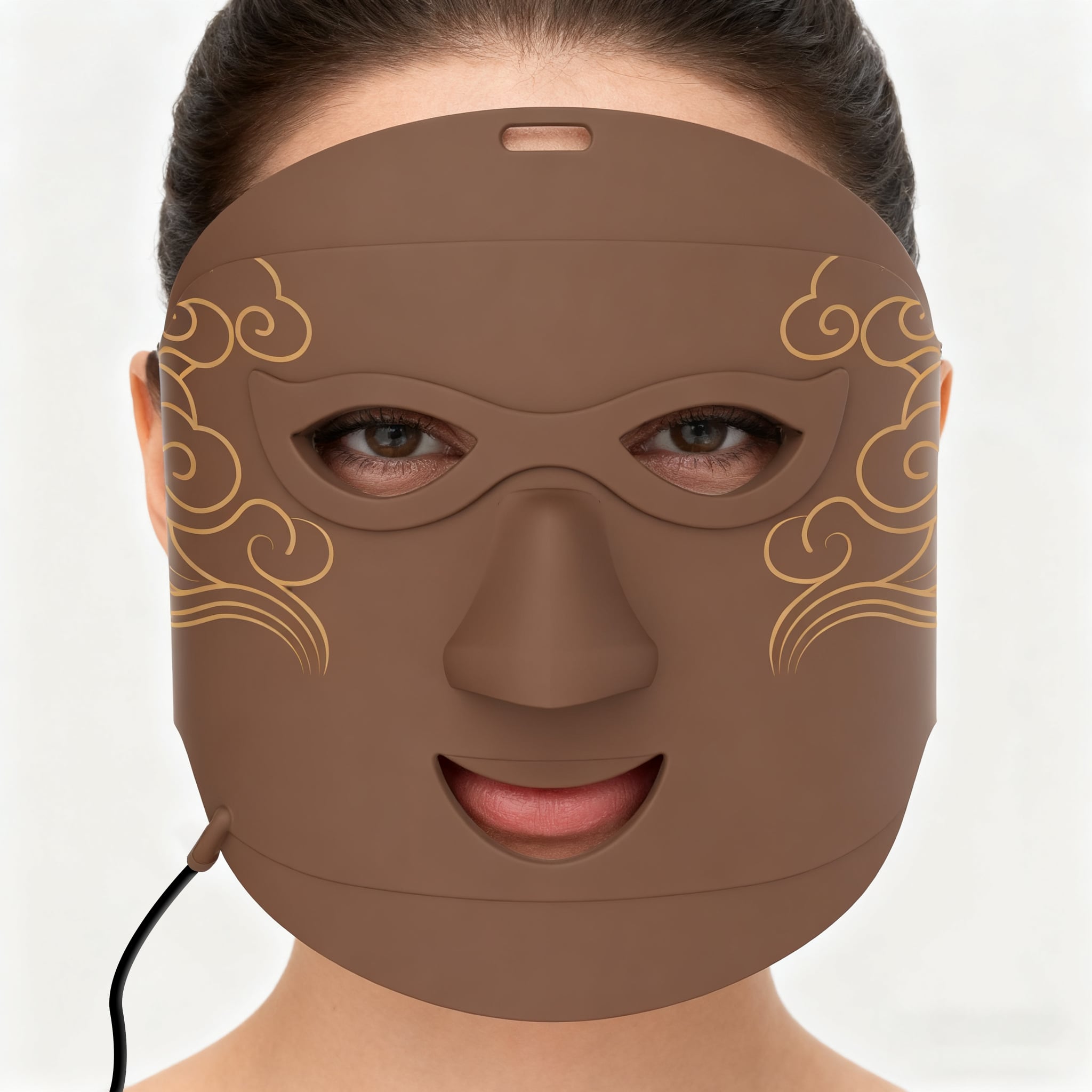
When people compare a beauty device, they often start with the visible technology: light, vibration, microcurrent, cleansing motion, or heat. That is understandable, but it misses a design decision that influences every treatment session: the material that touches the hand and, in many cases, the skin. Silicone is important because it can help a beauty device feel more comfortable, easier to control, easier to clean, and more durable in a wet bathroom routine.
As a technical adviser reviewing home-care hardware, I have learned that a promising treatment concept can lose credibility when the contact surfaces feel harsh, slippery, or difficult to maintain. It is tempting to focus on the specification sheet. More accurately, the better question is whether the design remains pleasant and repeatable in everyday use. Silicone is not automatically the right choice for every beauty device, but it gives designers a useful set of options.
A beauty device may rest against the cheeks, jawline, scalp, or eye-area perimeter for several minutes. A rigid shell can protect internal components, but it may not be the most appropriate surface for every contact point. Silicone elastomers can be formulated with a soft, resilient feel, allowing a designer to create a gentler interface around a treatment head, cleansing nodules, grip zone, or protective edge.
That softness is not just a cosmetic detail. A compliant surface can better accommodate small changes in hand pressure and facial contours. It can also reduce the sharp, cold, or overly mechanical impression that some hard plastics create. The outcome is not a medical claim or a guarantee of comfort for every user; it is a design opportunity to make the interaction more forgiving.
Silicone also supports texture. Fine ribs, nubs, and matte zones can be molded into a component rather than added as a separate coating. For a handheld beauty device, this may improve grip when fingers are damp with water, cleanser, or skincare product. The design team should still validate the texture with intended users, because a pattern that feels secure in a dry lab can collect product residue or feel too aggressive in actual routines.
Many beauty-device routines involve cleanser, serum, facial oil, or water. That makes cleanability as important as appearance. Silicone is often selected for external contact parts because it can form a continuous, nonporous-looking surface with few seams when the component and its geometry are designed well. Fewer awkward gaps can make it easier for a user to rinse and wipe the device after use.
This does not mean that silicone makes a beauty device self-cleaning. Residue can still remain in dense brush patterns, around joints, or where a soft overmold meets a hard housing. The material choice needs support from practical geometry: enough spacing between nubs, a drainage path, accessible edges, and clear care instructions. Observing real routines reveals that people often skip an extra cleaning step, not because they ignore the instructions, but because their skincare routine is already crowded. A design that makes cleanup obvious and quick is more likely to be maintained.
A beauty device used near a sink encounters splashes, humidity, and repeated handling. Silicone is widely used in seals, gaskets, and flexible overmolds because elastomeric parts can conform to mating surfaces. In an appropriate product architecture, a silicone gasket may help the enclosure resist moisture ingress around a charging port cover, button, or housing joint.
The word help matters here. Water resistance depends on the complete assembly: housing tolerances, fasteners, adhesive choices, venting, charging design, and validation testing. Silicone alone does not create a waterproof beauty device, and a brand should not imply an ingress rating unless the finished product has been tested and documented. Still, using a flexible sealing material can give the engineering team more control over a common real-world exposure.
Silicone also has useful thermal and electrical-insulation characteristics in many applications. Those qualities can be relevant when the exterior of a beauty device needs to isolate the user from internal electronics or manage the feel of a warmed treatment area. They are only one part of the safety design, however. Component layout, power management, temperature sensing, and applicable compliance testing remain essential.
For a reusable beauty device, the contact material is pressed, wiped, carried, and exposed to product ingredients again and again. Silicone’s elastic recovery can be valuable when a soft feature needs to return to shape after normal use. A well-designed silicone element may keep its tactile function longer than a surface coating that can scratch or peel.
Yet the right silicone grade must be chosen for the actual environment. Oils, fragrance ingredients, ultraviolet exposure, pigments, cleaning agents, and heat can affect materials differently. Designers should ask suppliers for compatibility information, specify the intended cleaning method, and test the finished assembly rather than approving a material from a sample chip alone. A durable beauty device is a system-level result.
From a product-design perspective, silicone can bridge the gap between a protective hard body and a human-centered touchpoint. It can be molded in different colors, finishes, and geometries, then used selectively where users need control or cushioning. That lets a brand reserve rigid materials for structure while using softer material where the beauty device benefits from tactile guidance.
The strongest designs do not cover every surface with silicone. They use it purposefully: a grippy handle zone, a skin-contact ring, a removable cleansing head, a button membrane, or a seal. This contrast can make controls easier to locate without looking at the device and can communicate which surfaces are intended to touch skin or water.
Silicone matters in beauty device design because it can improve the part of the product that users notice most: the daily physical interaction. It can support soft contact, controlled grip, easier-clean geometry, flexible sealing, and durable tactile features. The material is not a shortcut to performance or safety, but when it is selected with the device architecture and real skincare habits in mind, it can turn an interesting piece of technology into a product people are more willing to use consistently.

2026/10/30
Discover why in-house mold development helps an RF beauty device manufacturer improve product consistency, iteration speed, tooling control, and production readiness.

2026/10/30
Learn how to verify an RF beauty device manufacturer's R&D and prototyping capabilities using practical engineering workflows and audit checklists.

2026/10/30
Learn what shapes MOQ when choosing an RF beauty device manufacturer and how to plan a lower-risk first order with balanced platform and customization.

2026/10/30
Use this RF beauty device manufacturer evaluation checklist to compare safety evidence, OEM and ODM capability, quality control, and launch readiness.

2026/10/30
See how technology makes beauty at home more guided, consistent, and informed—plus a practical checklist for choosing devices wisely.

2026/10/30
Explore how AI and smart devices shape the future of beauty with responsive routines, clear guidance, trustworthy design, and user-controlled care.

Ideal for daily facial care routines, providing easy-to-use beauty solutions at home.

Perfect for spas and salons’ frequent treatments, enhancing client experiences and results.

Supports dermatologists with advanced devices for professional skin therapy sessions.

Delivers innovative solutions for full-body massage and relaxation with home devices.

Features anti-aging technologies to help reduce wrinkles and stimulate skin vitality.

Specialized devices for safe and effective hair removal suitable for home or clinic use.

Our customers love the Perfect Idea beauty devices. Quality, packaging, and results are all outstanding. We saw increased repeat sales after adding their facial cleansers to our lineup. Their support team is responsive and reliable.

Perfect Idea brings innovation and reliability to home beauty appliances. Our collaboration introduced their massage tools to Japanese women, boosting customer satisfaction and growing our brand trust across the region.

We partnered with Shenzhen Perfect Idea Tech for their beauty equipment. The shipping was fast and every product matched our expectations. Their home-use massagers are especially popular with local salons and home users.

The stylish packaging and attractive design make Perfect Idea stand out. French consumers appreciate the easy instructions and visible results. Communication was efficient and orders always arrived on time.

Perfect Idea home use personal care devices have become a favorite with our clients. The beauty device line offers quality at a reasonable price, and technical training for our staff made onboarding easy.

We selected Perfect Idea for our beauty product portfolio and have seen very positive feedback from our customers. Products are easy to market online and the customer support is reliable and helpful.
