 EN
Home Skincare
Ideal for daily facial care routines, providing easy-to-use beauty solutions at home.

2026/10/16
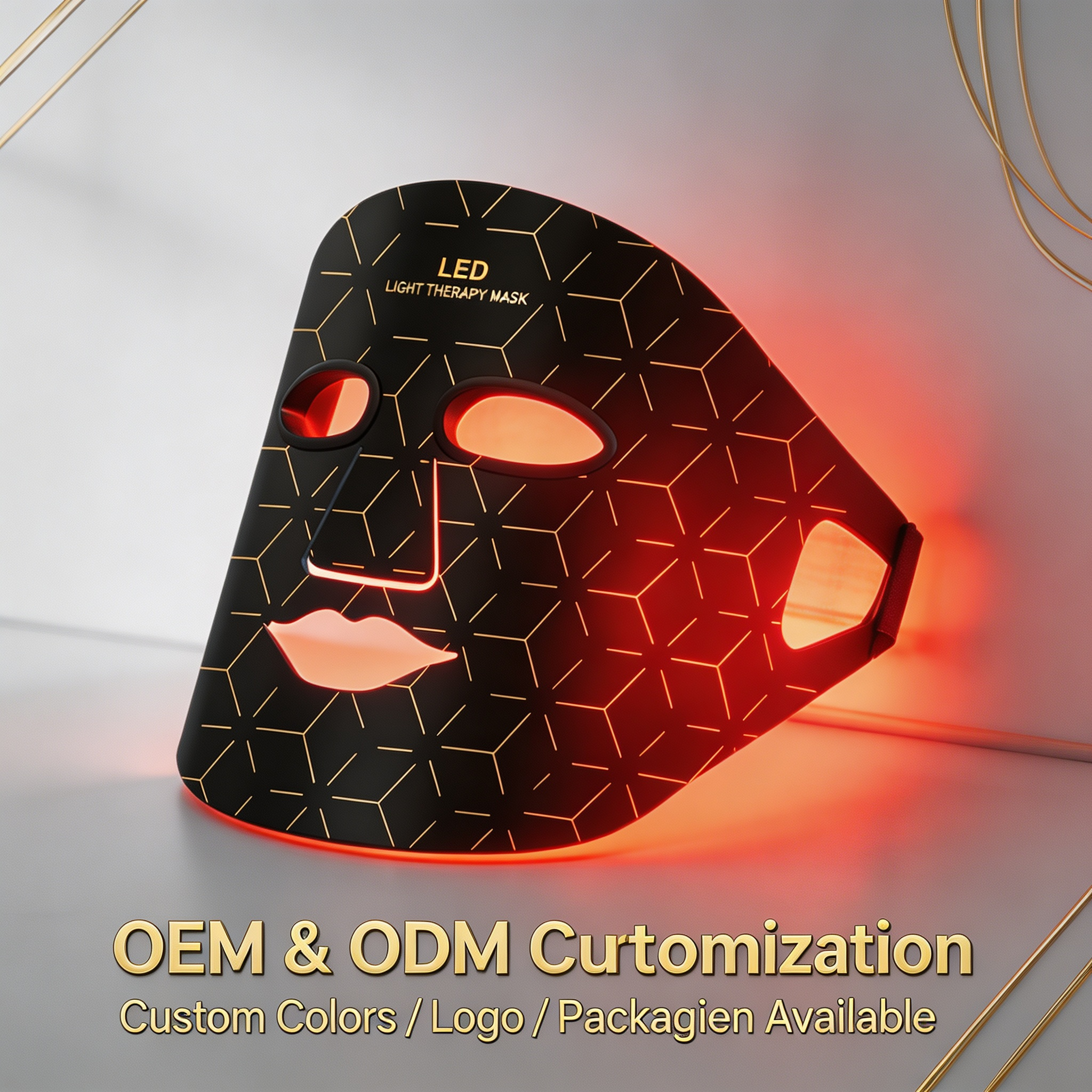
A silicone mask is often described as more hygienic than a fabric mask, but the precise reason matters. A silicone mask is not automatically antibacterial, and it does not sterilize itself. Its practical advantage is usually that a smooth, nonwoven surface is easier to clean, easier to inspect, and less likely to hold moisture and residue deep within the material than a multilayer textile. For reusable skincare masks and facial-device components, that can make hygiene routines more reliable.
As a beauty-device technical adviser, I would frame the choice this way: do not ask which material is “germ-proof.” Ask which design lets the user remove oils, skincare residue, and moisture consistently. That distinction is especially important when a mask touches the face repeatedly.
A silicone mask can be more resistant to conditions that support bacterial buildup because its continuous surface has no woven fibers or absorbent gaps. After use, a user can generally wipe or wash the visible surface according to the manufacturer’s instructions and see whether product residue remains. Fabric masks have a different challenge: their yarns, seams, and layers can retain moisture, skin oils, and cosmetic residue until laundering and complete drying occur.
That is not the same as saying every silicone mask inhibits bacteria. Microbes can remain on any used surface, including silicone. A dirty silicone mask still needs cleaning, careful handling, and dry storage. The meaningful advantage is that residue is usually more accessible during routine cleaning.
| Hygiene factor | Silicone mask | Fabric mask |
|---|---|---|
| Surface texture | Usually smooth and continuous | Woven or knitted fibers create a more complex texture |
| Residue removal | Often easier to wipe or rinse from the surface | Usually requires laundering to remove absorbed oils and product |
| Moisture management | Can dry quickly when cleaned and left open to air | May retain moisture within layers until fully dry |
| Visual inspection | Residue and damage are easier to spot on a smooth surface | Residue may be less visible within fibers or seams |
| Care requirement | Follow compatible cleaning instructions; avoid damaging the material | Wash thoroughly and dry completely before reuse |
The comparison is about maintenance access, not a guarantee of microbiological performance. If your priority is simple, repeatable cleaning, a silicone mask is often the more practical starting point. If your priority is softness or breathability, fabric may still fit the use case, provided laundering is part of the routine.
Fabric is made of interlocking fibers. That structure can be comfortable, but it also gives sweat, sebum, makeup, and skincare products more places to collect. Once a textile becomes damp, it should not be folded away and reused casually. Moisture plus organic residue can create an environment where microorganisms persist or multiply, depending on the conditions.
Here is the point many buyers miss: the issue is not that fabric is inherently unsafe. A freshly laundered, fully dried fabric mask can be appropriate for its intended use. The issue is that fabric hygiene depends on thorough washing and complete drying after use. A silicone mask may be easier to keep on schedule because its surface does not require residue to travel out from between fibers.
With a silicone mask, residue tends to sit on the surface rather than soak into a textile. In practical terms, that gives the user a clearer cleaning sequence: remove product buildup, clean with a compatible method specified by the manufacturer, rinse if directed, and let the piece dry in a clean, ventilated place. You can also check edges, eye openings, straps, and any contact zones before storing it.
That last step is worth emphasizing. A silicone mask with crevices, damaged seams, a textured backing, or an attached fabric strap still has areas that need attention. Smooth silicone does not remove the need for cleaning; it makes cleaning easier to verify.
Many people compare masks by thickness or softness first. For reuse hygiene, moisture retention deserves equal attention. A silicone mask that is cleaned and air-dried promptly may return to a dry state faster than a fabric mask with several absorbent layers. A fabric mask that feels dry on the outside can still need more drying time around seams or denser areas.
If you use a silicone mask after a sheet mask or over skincare, remove excess product before storage. Leaving serum, oil, or water trapped inside a pouch defeats the benefit of a nonwoven surface. Likewise, avoid storing a fabric mask while it is damp. A breathable, clean storage arrangement supports either material better than a sealed, humid container.
The phrase “more resistant to bacterial growth” can overpromise. A silicone mask should not be marketed as antimicrobial unless that specific product and claim have been validated. Standard silicone is a material choice, not a substitute for disinfection, laundering, or good handling practices.
A more accurate statement is this: a silicone mask may reduce the chance that everyday residue remains hidden in absorbent fibers, because its surface is smoother and less absorbent than fabric. That supports easier cleaning. Whether it performs better in real life depends on design, cleaning frequency, skin-contact products, storage, and whether the user follows the care instructions.
For brands sourcing reusable skincare accessories or face-device components, the most useful question is not simply whether the item uses silicone. Ask how the silicone mask is designed for cleaning. Are the skin-contact zones smooth? Can detachable straps be cleaned or replaced? Does the product include clear care instructions? Are there avoidable fabric overlays or narrow, inaccessible seams?
From a quality-management perspective, simple construction helps users follow the intended care routine. That matters because repeated use is where the hygiene difference becomes meaningful. A well-designed silicone mask can make the responsible choice the easy choice: clean it, dry it, inspect it, and store it properly.
A silicone mask can be more hygienic in everyday use than a fabric mask because its smooth, nonabsorbent surface is generally easier to clean and dry. Fabric can still be used safely when it is washed and dried correctly, but its fibers may hold onto moisture and residue more readily between washes. Choose a silicone mask when simple, visible, repeatable cleaning is a key requirement—and treat both materials as reusable items that need consistent care, not as self-sanitizing solutions.

2026/10/30
Discover why in-house mold development helps an RF beauty device manufacturer improve product consistency, iteration speed, tooling control, and production readiness.

2026/10/30
Learn how to verify an RF beauty device manufacturer's R&D and prototyping capabilities using practical engineering workflows and audit checklists.

2026/10/30
Learn what shapes MOQ when choosing an RF beauty device manufacturer and how to plan a lower-risk first order with balanced platform and customization.

2026/10/30
Use this RF beauty device manufacturer evaluation checklist to compare safety evidence, OEM and ODM capability, quality control, and launch readiness.

2026/10/30
See how technology makes beauty at home more guided, consistent, and informed—plus a practical checklist for choosing devices wisely.

2026/10/30
Explore how AI and smart devices shape the future of beauty with responsive routines, clear guidance, trustworthy design, and user-controlled care.

Ideal for daily facial care routines, providing easy-to-use beauty solutions at home.

Perfect for spas and salons’ frequent treatments, enhancing client experiences and results.

Supports dermatologists with advanced devices for professional skin therapy sessions.

Delivers innovative solutions for full-body massage and relaxation with home devices.

Features anti-aging technologies to help reduce wrinkles and stimulate skin vitality.

Specialized devices for safe and effective hair removal suitable for home or clinic use.

Our customers love the Perfect Idea beauty devices. Quality, packaging, and results are all outstanding. We saw increased repeat sales after adding their facial cleansers to our lineup. Their support team is responsive and reliable.

Perfect Idea brings innovation and reliability to home beauty appliances. Our collaboration introduced their massage tools to Japanese women, boosting customer satisfaction and growing our brand trust across the region.

We partnered with Shenzhen Perfect Idea Tech for their beauty equipment. The shipping was fast and every product matched our expectations. Their home-use massagers are especially popular with local salons and home users.

The stylish packaging and attractive design make Perfect Idea stand out. French consumers appreciate the easy instructions and visible results. Communication was efficient and orders always arrived on time.

Perfect Idea home use personal care devices have become a favorite with our clients. The beauty device line offers quality at a reasonable price, and technical training for our staff made onboarding easy.

We selected Perfect Idea for our beauty product portfolio and have seen very positive feedback from our customers. Products are easy to market online and the customer support is reliable and helpful.
