 EN
Home Skincare
Ideal for daily facial care routines, providing easy-to-use beauty solutions at home.

2026/10/25
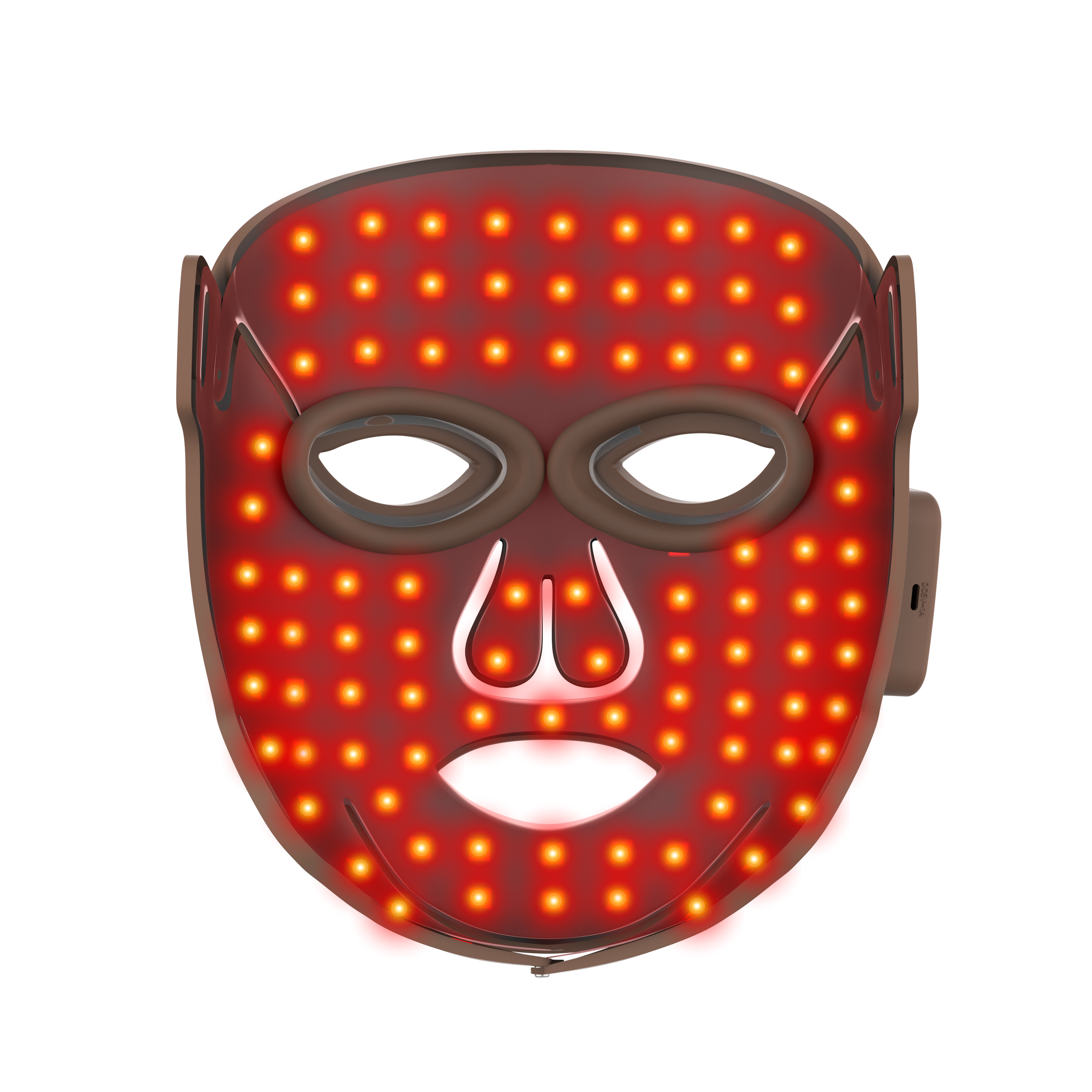
For an LED-therapy brand, the choice of a silicone mask is no longer a minor housing decision. It affects how confidently a user wears the device, how consistently the LEDs can be positioned near the face, and how easy the product is to clean and pack. From a brand-procurement perspective, the practical question is not whether every silicone mask is automatically better. It is whether a flexible material solves more of the day-to-day problems that can keep people from using an LED device regularly.
That distinction matters. Light-therapy results depend on the complete device design, its intended use, and the evidence supporting its claims; a silicone mask alone does not establish performance, safety clearance, or suitability for every skin concern. What it can do is give product teams a more adaptable platform for the user experience around LED therapy.
A silicone mask can look simple on a product page, but its fit is the real test; hard-shell designs may look precise even though faces are not standardized surfaces. Brow depth, cheekbone shape, bridge width, and jawline vary enough that a rigid mask may create pressure points or leave visible gaps. A flexible silicone mask can conform more gently across those contours instead of asking the face to conform to the device.
That does not mean a silicone mask should feel loose. Good fit still depends on strap placement, weight distribution, edge finishing, and the way the LED assembly is supported. The advantage is that a flexible substrate gives engineers more room to balance those factors. For brands, this can reduce the familiar mismatch between an attractive technical specification and a device that people stop wearing after a few sessions.
A silicone mask for LED therapy is often discussed alongside wavelengths, irradiance, timers, and treatment protocols. Those details are important, but the material surrounding the light source also matters to the experience. When a silicone mask sits closer to a range of facial contours without pinching, it may help users position the device in a more stable, repeatable way from session to session.
This is an engineering and usability point, not a promise of a medical outcome. The actual light dose at the skin depends on the particular device architecture, optical design, heat management, and instructions for use. Product teams should validate those factors with appropriate testing rather than assume that flexibility guarantees uniform delivery. Still, a comfortable interface can make it easier for users to follow the intended routine, which is valuable for any home-use device.
Earlier product development often treated more features as the obvious upgrade path. In home beauty, a device that is easy to use consistently can be more valuable than one with a long list of features that users avoid. A silicone mask supports that practical priority in several ways:
Each silicone mask benefit needs careful execution. Silicone grade, pigment system, cure process, surface texture, adhesives, and embedded components all need review. A flexible outer layer cannot compensate for poor fastening, uncomfortable seams, or unclear cleaning guidance.
For brands evaluating suppliers, a silicone mask is attractive because it invites a different design workflow. A molded silicone mask can integrate soft contact zones, defined openings, cable-routing features, and finished edges within a cohesive form. That can help reduce the number of separate cosmetic parts compared with a rigid shell-plus-padding approach, although the tooling and assembly plan still need to be evaluated case by case.
The supplier discussion should go beyond “medical-grade silicone” as a marketing phrase. Ask which material specification is proposed, how color consistency is controlled, how the LED modules are retained, what repeated flex testing is performed, and how cleaning exposure affects the finished assembly. If the product will make device or cosmetic claims in a target market, the brand also needs its own regulatory and evidence review. Material preference does not replace product-level verification.
The industry is moving toward the flexible silicone mask format because it addresses common usability issues, but “standard” should describe a well-executed direction, not a shortcut around diligence. A sourcing team can use the following checklist when comparing a silicone mask with a hard-shell alternative:
A silicone mask is becoming a preferred LED-therapy format because it offers product teams a credible route to better facial conformity, lower perceived bulk, easier daily handling, and more user-centered industrial design. It is not a substitute for tested optics, safe electronics, or substantiated claims. The strongest products combine a thoughtfully engineered silicone interface with validated light performance and clear care instructions. For brands, that combination—not silicone in isolation—is what turns a popular material trend into a durable product decision.

2026/10/30
Discover why in-house mold development helps an RF beauty device manufacturer improve product consistency, iteration speed, tooling control, and production readiness.

2026/10/30
Learn how to verify an RF beauty device manufacturer's R&D and prototyping capabilities using practical engineering workflows and audit checklists.

2026/10/30
Learn what shapes MOQ when choosing an RF beauty device manufacturer and how to plan a lower-risk first order with balanced platform and customization.

2026/10/30
Use this RF beauty device manufacturer evaluation checklist to compare safety evidence, OEM and ODM capability, quality control, and launch readiness.

2026/10/30
See how technology makes beauty at home more guided, consistent, and informed—plus a practical checklist for choosing devices wisely.

2026/10/30
Explore how AI and smart devices shape the future of beauty with responsive routines, clear guidance, trustworthy design, and user-controlled care.

Ideal for daily facial care routines, providing easy-to-use beauty solutions at home.

Perfect for spas and salons’ frequent treatments, enhancing client experiences and results.

Supports dermatologists with advanced devices for professional skin therapy sessions.

Delivers innovative solutions for full-body massage and relaxation with home devices.

Features anti-aging technologies to help reduce wrinkles and stimulate skin vitality.

Specialized devices for safe and effective hair removal suitable for home or clinic use.

Our customers love the Perfect Idea beauty devices. Quality, packaging, and results are all outstanding. We saw increased repeat sales after adding their facial cleansers to our lineup. Their support team is responsive and reliable.

Perfect Idea brings innovation and reliability to home beauty appliances. Our collaboration introduced their massage tools to Japanese women, boosting customer satisfaction and growing our brand trust across the region.

We partnered with Shenzhen Perfect Idea Tech for their beauty equipment. The shipping was fast and every product matched our expectations. Their home-use massagers are especially popular with local salons and home users.

The stylish packaging and attractive design make Perfect Idea stand out. French consumers appreciate the easy instructions and visible results. Communication was efficient and orders always arrived on time.

Perfect Idea home use personal care devices have become a favorite with our clients. The beauty device line offers quality at a reasonable price, and technical training for our staff made onboarding easy.

We selected Perfect Idea for our beauty product portfolio and have seen very positive feedback from our customers. Products are easy to market online and the customer support is reliable and helpful.
