 EN
Home Skincare
Ideal for daily facial care routines, providing easy-to-use beauty solutions at home.

2026/10/10
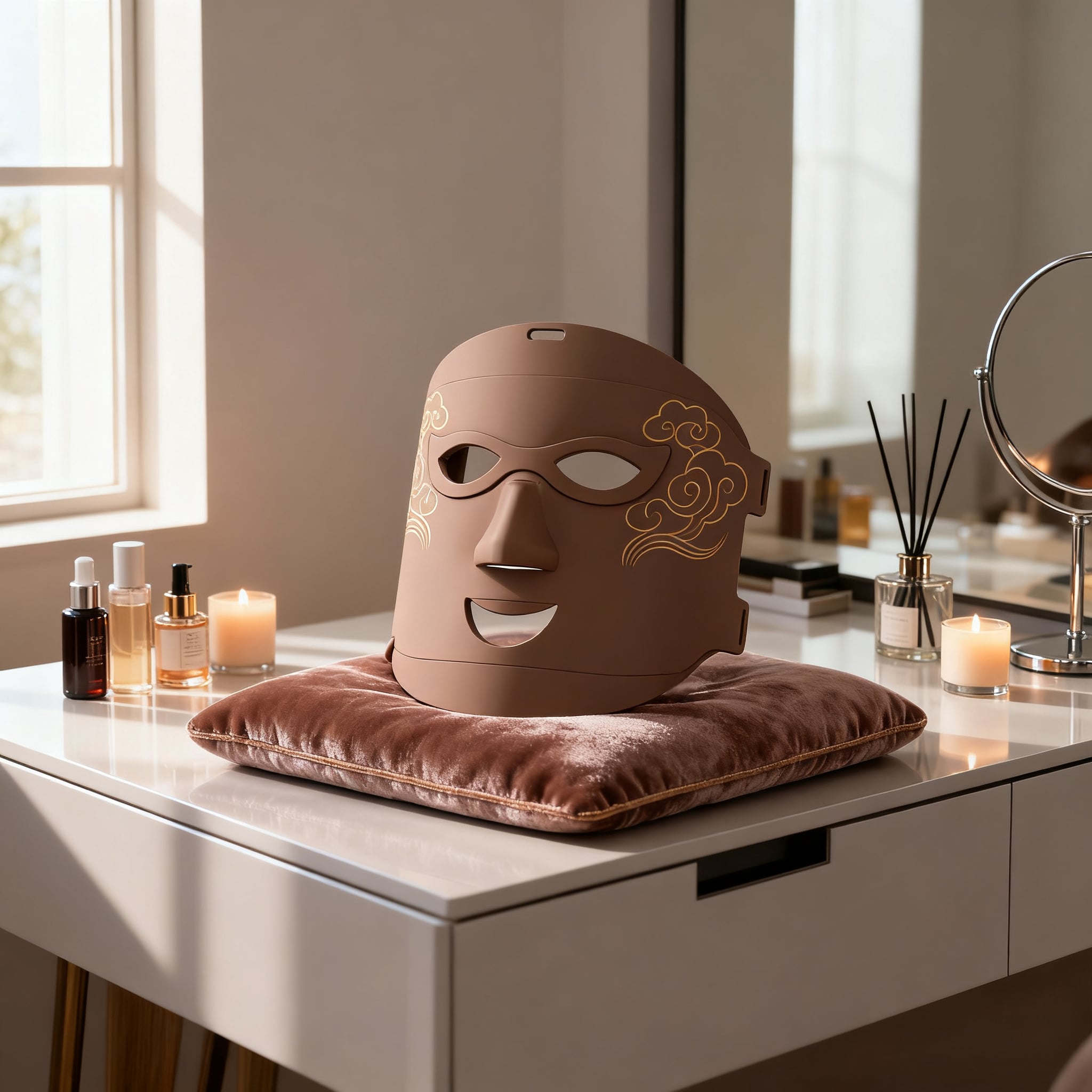
In the week before a wedding, presentation, holiday, or photo-heavy dinner, skincare decisions tend to become more careful. That is one reason a red light therapy face routine is moving from a novelty purchase to a quiet part of pre-event preparation. It is not a substitute for medical care, and it is not a switch that creates a new complexion overnight. Its appeal is simpler: people like a calm, repeatable ritual that feels more considered than adding one more active product at the last minute.
As an observer of home-beauty trends, I see the shift less as a hunt for a miracle device and more as a change in behavior. A red light therapy face session asks for a few uninterrupted minutes, a clean face, and a little consistency. That makes it psychologically useful before an event, when a complicated routine can feel like another task to manage.
A major event creates a predictable planning window. People book hair appointments, test makeup, and simplify their routines. A red light therapy face practice fits that pattern because it can be scheduled in advance rather than improvised on the day. The goal is usually to support a well-rested-looking, comfortable skincare routine—not to chase a dramatic correction.
This distinction matters in practice. A red light therapy face device is often marketed with broad beauty language, but a sensible pre-event plan leaves room for individual skin responses. The American Academy of Dermatology notes that short-term use appears safe for many people, while mild temporary discomfort or irritation can occur. It also explains that FDA clearance relates to a device’s risk profile, not a guarantee of effectiveness. In other words, the most attractive ritual is the one that is familiar to your skin before the important date arrives.
Pre-event routines work well when they reduce decision fatigue. A red light therapy face session can become a fixed cue: in a red light therapy face plan, the familiar sequence can be more useful than adding another new product. Cleanse gently, use the device as directed, then return to the simple products you already tolerate. There is no need to pair it with an aggressive peel, a new fragrance, or an untested treatment. For many users, that restraint is precisely the appeal.
Many people also respond to the sensory side of the routine. A hands-free mask or seated device gives them a few minutes away from messages and mirror-checking. A red light therapy face habit can therefore feel like a small reset before a busy weekend. The value is not only what a person hopes to see in a photograph; it is also the confidence that comes from following a plan rather than reacting to every small change in the mirror.
Consumer interest in home devices has grown alongside a healthier skepticism about instant transformations. A red light therapy face routine is usually discussed in the language of regular use, not emergency rescue. That is a more realistic fit for the days leading up to an event. If someone has not previously used light-based skincare, the night before a major occasion is a poor time to experiment.
Research and professional guidance also support a cautious approach to exposure. Published LED red-light safety research has found dose-dependent results, which is a useful reminder not to extend a session, stack devices, or invent settings simply because an event is close. For a at-home red-light routine routine, the device instructions, recommended timing, and any included eye-safety guidance should lead the plan. In a red light therapy face routine, more time is not automatically better time.
Today’s pre-event beauty mood is often about looking polished without looking overworked. People increasingly talk about hydration, sleep, barrier-friendly skincare, and makeup that lets natural texture show through. A facial light routine practice sits comfortably beside that mindset because it feels low-drama. It can be one part of a routine built around predictable habits rather than a reason to overhaul everything.
That does not mean every person needs a device. Someone with an active flare-up, a photosensitivity concern, a new medication, a darker skin tone with unanswered questions about at-home use, or a diagnosed skin condition may benefit from speaking with a dermatologist first. A at-home red-light routine routine should not override individual clinical advice. The most elegant pre-event choice is often to protect what is already working.
If you already use a facial light routine device comfortably, treat the event as a reason to keep your routine steady. A red light therapy face habit is most useful when it remains one familiar part of the evening, not the center of a last-minute overhaul. Begin early enough to learn how your skin responds. Follow the manufacturer’s directions for session length and frequency. Keep the rest of the routine gentle, use daytime sun protection, and avoid trying strong new actives close to the event.
A useful decision rule is to judge the routine by comfort and consistency, not by a single close-up. Keep notes on how your skin feels after normal use and whether the device fits easily into your evening. If a session leaves you uncomfortable, if your schedule makes it stressful, or if you are unsure about compatibility with your skin or medication, stopping and seeking qualified advice is more sensible than pressing on for a date on the calendar.
For a brand team, this is also where thoughtful product communication earns trust. Clear instructions, realistic time expectations, cleaning guidance, and an uncomplicated onboarding experience help users build a repeatable habit. Claims that imply a certain transformation can make a device feel less credible precisely when customers want reassurance.
Pre-event skincare is often successful because it is comfortably predictable: the same gentle cleanser, the same moisturizer, the same sleep routine, and enough time to observe rather than panic. Photographing your skin in consistent natural light, keeping hands away from blemishes, and avoiding unfamiliar facials can be more useful than adding extra steps. A device should fit into that steady approach, not compete with it.
It also helps to keep a clear boundary between beauty planning and health care. Persistent irritation, a painful breakout, an unexplained rash, or a concern about photosensitivity deserves professional attention. A home routine may be enjoyable, but it is not a diagnostic tool and should not delay care when care is needed.
For brands and shoppers alike, the trend points to a useful product-development lesson: ritual matters. A home device is easier to welcome into a pre-event routine when its instructions are clear, its fit is comfortable, and its use feels manageable. the manufacturer serves home-beauty-device brands with OEM and ODM development capabilities, so brands can consider how device design, user guidance, and packaging support a calm at-home experience rather than hype.
The lasting attraction of a at-home red-light routine ritual is not the promise of perfection. For many people, red light therapy face use simply gives preparation a dependable pause. It is the promise of preparation: a short, intentional moment that supports a familiar routine before people step into a moment they care about. Used with realistic expectations and sensible safety boundaries, that may be exactly why the ritual is becoming part of the modern pre-event checklist.

2026/10/30
Discover why in-house mold development helps an RF beauty device manufacturer improve product consistency, iteration speed, tooling control, and production readiness.

2026/10/30
Learn how to verify an RF beauty device manufacturer's R&D and prototyping capabilities using practical engineering workflows and audit checklists.

2026/10/30
Learn what shapes MOQ when choosing an RF beauty device manufacturer and how to plan a lower-risk first order with balanced platform and customization.

2026/10/30
Use this RF beauty device manufacturer evaluation checklist to compare safety evidence, OEM and ODM capability, quality control, and launch readiness.

2026/10/30
See how technology makes beauty at home more guided, consistent, and informed—plus a practical checklist for choosing devices wisely.

2026/10/30
Explore how AI and smart devices shape the future of beauty with responsive routines, clear guidance, trustworthy design, and user-controlled care.

Ideal for daily facial care routines, providing easy-to-use beauty solutions at home.

Perfect for spas and salons’ frequent treatments, enhancing client experiences and results.

Supports dermatologists with advanced devices for professional skin therapy sessions.

Delivers innovative solutions for full-body massage and relaxation with home devices.

Features anti-aging technologies to help reduce wrinkles and stimulate skin vitality.

Specialized devices for safe and effective hair removal suitable for home or clinic use.

Our customers love the Perfect Idea beauty devices. Quality, packaging, and results are all outstanding. We saw increased repeat sales after adding their facial cleansers to our lineup. Their support team is responsive and reliable.

Perfect Idea brings innovation and reliability to home beauty appliances. Our collaboration introduced their massage tools to Japanese women, boosting customer satisfaction and growing our brand trust across the region.

We partnered with Shenzhen Perfect Idea Tech for their beauty equipment. The shipping was fast and every product matched our expectations. Their home-use massagers are especially popular with local salons and home users.

The stylish packaging and attractive design make Perfect Idea stand out. French consumers appreciate the easy instructions and visible results. Communication was efficient and orders always arrived on time.

Perfect Idea home use personal care devices have become a favorite with our clients. The beauty device line offers quality at a reasonable price, and technical training for our staff made onboarding easy.

We selected Perfect Idea for our beauty product portfolio and have seen very positive feedback from our customers. Products are easy to market online and the customer support is reliable and helpful.
