 EN
Home Skincare
Ideal for daily facial care routines, providing easy-to-use beauty solutions at home.

2026/10/19
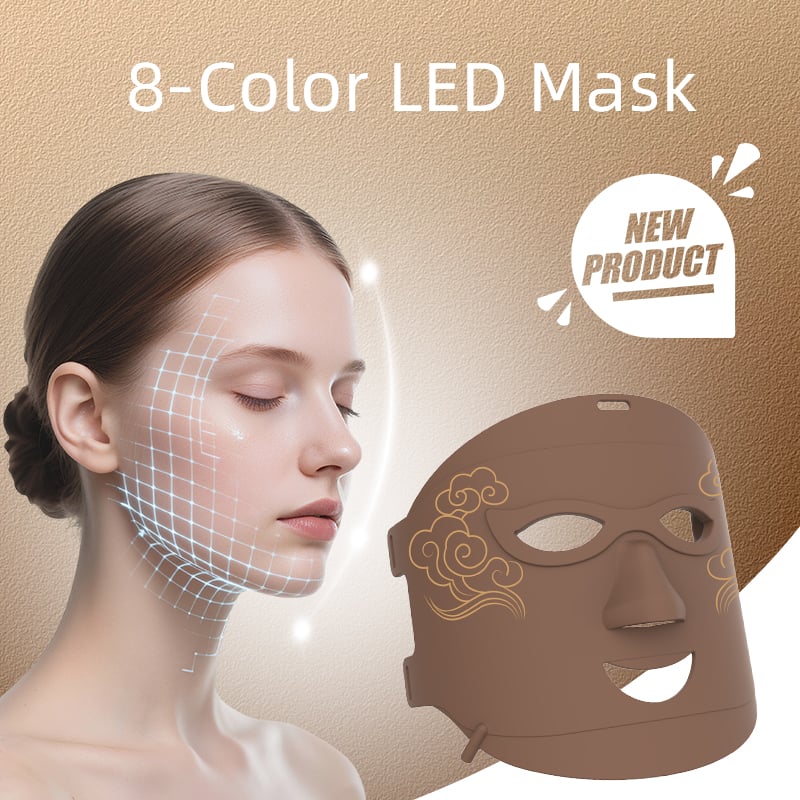
Red light therapy is moving from the treatment room to the bathroom counter because it fits a change in how people approach skincare: less interest in a one-off “miracle,” more interest in a simple routine they can repeat. A home LED mask or panel is not a replacement for dermatologic care, and it cannot promise the same outcome for every face. Still, red light therapy has become an appealing add-on for people who want a non-invasive, device-led step alongside cleansing, moisturizer, sunscreen, and professional advice when needed.
This is more than a viral-gadget moment. Consumers are becoming more comfortable evaluating beauty devices by routine fit, disclosed specifications, and safety information—not merely by a long list of features. For brands, that creates an opportunity to make red light therapy easier to understand and safer to use at home.
Home skincare succeeds when it is realistic enough to repeat. A treatment that requires appointments, travel, or lengthy setup is harder to keep in a weekly routine. Red light therapy devices are typically designed around short, guided sessions, so users can place the step after cleansing or before the rest of a simple routine. A familiar format makes a technology-heavy category feel manageable.
Of course, that does not mean every user will see the same change. The evidence around light-based skincare includes different devices, wavelengths, session schedules, and outcome measures. A 2026 peer-reviewed product guide notes that red and near-infrared light are often studied in ranges around 630–660 nm and 830–850 nm, but it also stresses that protocols vary. In other words, a wavelength number alone is not a promise. A credible red light therapy routine is built around the device instructions, regular use, and realistic expectations.
Many people initially assume that more features or longer sessions must deliver a better experience. In practice, a device that is comfortable, easy to clean, and simple to fit into the evening is usually more valuable than a complicated device that stays in a drawer. The goal is a steady skincare habit, not an arms race of specifications.
Most at-home red light therapy formats use LEDs. That matters because LEDs can be incorporated into masks, handheld tools, and panels without turning a home ritual into a clinical procedure. Clear timers, hands-free designs, adjustable fit, and straightforward charging also reduce the friction that once made home beauty devices feel niche.
It is also easier to talk about the technology in plain terms. Red light is generally described as acting more superficially, while near-infrared light is associated with deeper penetration. That simple distinction helps people understand why transparent product information matters. A trustworthy product page should explain the light bands used, the intended cosmetic purpose, the session instructions, eye-safety guidance, and any restrictions. It should not lean on vague claims such as “professional results for everyone.”
For buyers comparing a full body red light therapy panel with a face-focused mask, the first question should be coverage and intended use, not which format sounds more powerful. A compact face device may make sense for a facial routine; a larger panel is a different commitment in space, cost, and use case. Neither format is automatically right for every household.
As the category matures, consumers increasingly look for guardrails. The American Academy of Dermatology explains that many home devices use LEDs and notes that FDA clearance means a device is considered low risk for the public. That is an important distinction: FDA clearance is not a blanket guarantee of a particular cosmetic result. It is still sensible to follow the supplied directions and to verify the claims that are actually authorized for a particular market.
A thoughtful routine also begins with personal context. People with a photosensitive condition, those taking medicines that increase light sensitivity, or anyone managing an active skin concern should ask a qualified clinician before trying red light therapy. Users should stop if a device causes pain, heat, or discomfort and should not improvise longer sessions in pursuit of faster results. If your skin is irritated or your barrier is compromised, pausing and getting advice is more useful than pushing through a schedule.
Red light therapy is becoming a staple partly because shoppers have become better at asking practical questions. Beyond the advertised wavelength, they can look for clear information about treatment time, irradiance or fluence where relevant, fit, materials, cleaning, power supply, warranty, and instructions. Researchers describe a biphasic dose response in photobiomodulation, which is a helpful reminder that more intensity or more time is not automatically better. The manufacturer’s directions should take priority over generic online routines.
This shift benefits responsible brands. Instead of relying on before-and-after imagery or exaggerated anti-aging language, they can explain what is included, who the device is designed for, and what a consistent routine looks like. For OEM and ODM teams, it also makes product development more disciplined: the hardware, user interface, packaging, instructions, and claims review need to tell the same clear story.
A simple setup is usually the most sustainable. Start with clean, dry skin unless the device directions say otherwise. Use the recommended session length and frequency, then continue with a gentle moisturizer and daytime sun protection. Do not layer in unnecessary actives just because the device is new; introduce one change at a time so you can notice how your skin responds.
Ask yourself one practical question: can this step fit into your normal routine without creating pressure? If the answer is no, a shorter, more comfortable approach is likely the better starting point. A person using red light therapy two or three times as directed over a longer period may learn more about their tolerance than someone who changes the duration every night. This is not a race, and it is not a substitute for sleep, daily sun protection, or professional care.
At-home red light therapy is becoming less of a novelty because the category now aligns with familiar skincare behavior: repeatable rituals, informed comparison, and a preference for non-invasive options. The strongest products will not be the ones with the loudest promises. They will make the experience understandable, comfortable, and appropriately bounded.
For a brand building an LED skincare range, that means starting with the use case and the market. Define the target routine, select a form factor that users can sustain, document the relevant compliance pathway for the intended market, and make instructions unambiguous. An OEM/ODM partner can support customization of functions, exterior design, branding, and packaging, but product claims and market authorization should be reviewed for the country where the device will be sold.
Ultimately, red light therapy earns a permanent place in home skincare when it is treated as one thoughtful step in a broader routine. Choose a well-documented device, follow its instructions, respect individual skin needs, and judge it by consistency and comfort rather than dramatic promises.

2026/10/30
Discover why in-house mold development helps an RF beauty device manufacturer improve product consistency, iteration speed, tooling control, and production readiness.

2026/10/30
Learn how to verify an RF beauty device manufacturer's R&D and prototyping capabilities using practical engineering workflows and audit checklists.

2026/10/30
Learn what shapes MOQ when choosing an RF beauty device manufacturer and how to plan a lower-risk first order with balanced platform and customization.

2026/10/30
Use this RF beauty device manufacturer evaluation checklist to compare safety evidence, OEM and ODM capability, quality control, and launch readiness.

2026/10/30
See how technology makes beauty at home more guided, consistent, and informed—plus a practical checklist for choosing devices wisely.

2026/10/30
Explore how AI and smart devices shape the future of beauty with responsive routines, clear guidance, trustworthy design, and user-controlled care.

Ideal for daily facial care routines, providing easy-to-use beauty solutions at home.

Perfect for spas and salons’ frequent treatments, enhancing client experiences and results.

Supports dermatologists with advanced devices for professional skin therapy sessions.

Delivers innovative solutions for full-body massage and relaxation with home devices.

Features anti-aging technologies to help reduce wrinkles and stimulate skin vitality.

Specialized devices for safe and effective hair removal suitable for home or clinic use.

Our customers love the Perfect Idea beauty devices. Quality, packaging, and results are all outstanding. We saw increased repeat sales after adding their facial cleansers to our lineup. Their support team is responsive and reliable.

Perfect Idea brings innovation and reliability to home beauty appliances. Our collaboration introduced their massage tools to Japanese women, boosting customer satisfaction and growing our brand trust across the region.

We partnered with Shenzhen Perfect Idea Tech for their beauty equipment. The shipping was fast and every product matched our expectations. Their home-use massagers are especially popular with local salons and home users.

The stylish packaging and attractive design make Perfect Idea stand out. French consumers appreciate the easy instructions and visible results. Communication was efficient and orders always arrived on time.

Perfect Idea home use personal care devices have become a favorite with our clients. The beauty device line offers quality at a reasonable price, and technical training for our staff made onboarding easy.

We selected Perfect Idea for our beauty product portfolio and have seen very positive feedback from our customers. Products are easy to market online and the customer support is reliable and helpful.
