 EN
Home Skincare
Ideal for daily facial care routines, providing easy-to-use beauty solutions at home.

2026/10/02
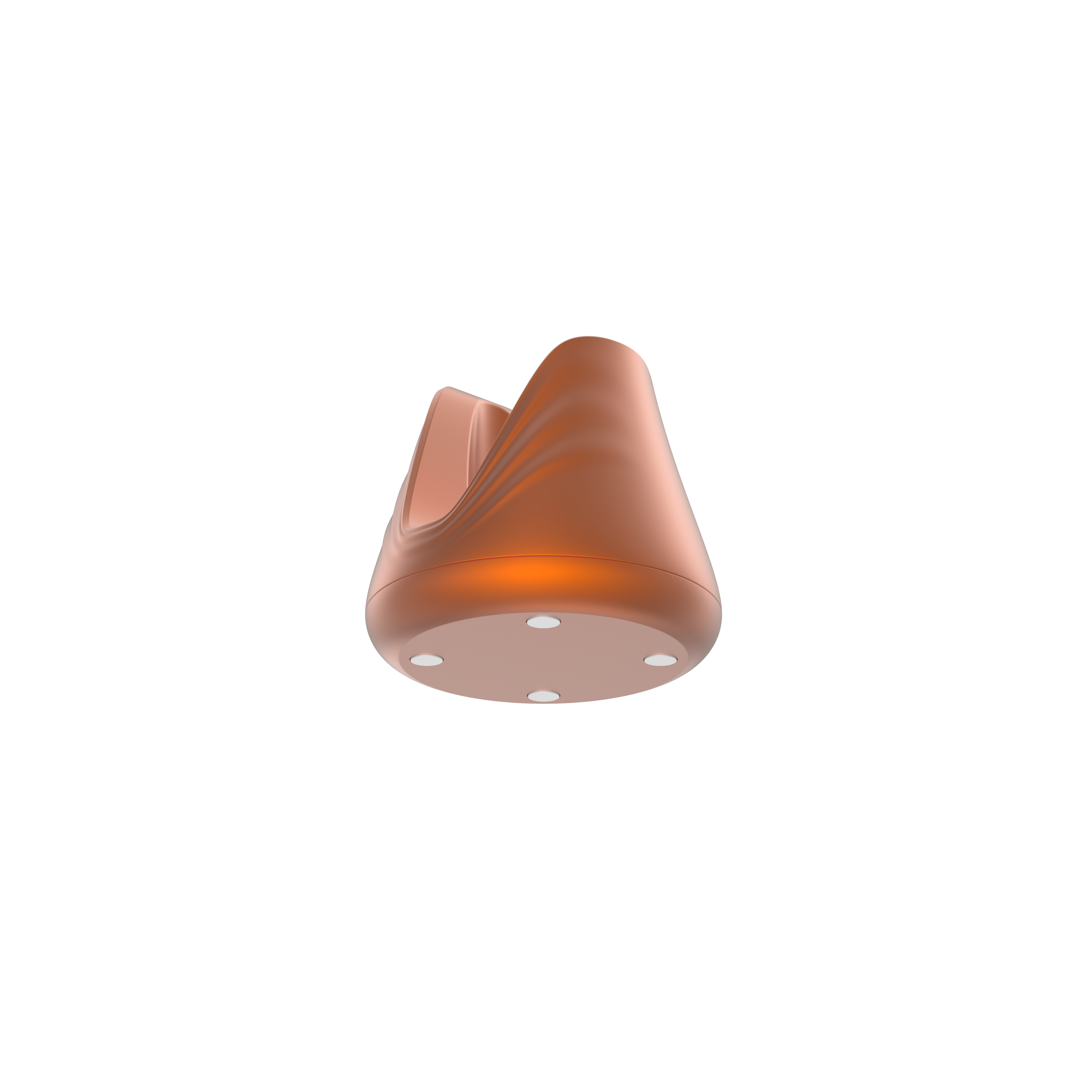
Personalized beauty is moving from a premium extra to an expected part of the customer experience. For brands selling skincare, cosmetics, and at-home devices, the shift is not simply about adding a quiz to a website. It is about designing a beauty proposition around different skin concerns, routines, comfort preferences, and purchase contexts.
From an industry-observer perspective, the most important change is practical: shoppers increasingly compare whether a beauty offer feels relevant to them, not just whether it has the longest feature list. That raises the bar for product development, education, and post-purchase support.
Personalized beauty can include tailored recommendations, adjustable treatment settings, skin-goal education, packaging options, and device experiences that are easier to fit into a real routine. A personal beauty device, for example, may support a clearer choice of treatment mode, session length, or usage plan without claiming that one setting suits everyone.
This matters because the beauty market is still expanding while shopper expectations are becoming more specific. McKinsey’s 2026 beauty outlook preview expects the global beauty market to grow about 5% annually through 2030. Separately, a GCI Magazine trend overview, citing McKinsey research, notes that 71% of consumers expect tailored shopping experiences. These figures are directional context, yet the operating signal is clear: relevance now affects how customers judge value.
Traditional beauty marketing often begins with a broad promise and then asks customers to adapt. Personalized beauty reverses that sequence. It starts with a goal such as supporting a consistent skincare routine, improving the feeling of control over an at-home ritual, or choosing a format that matches time and travel constraints.
That does not mean every customer needs a fully bespoke product. In many cases, useful personalization is structured choice: a concise decision guide, a few understandable modes, and instructions that explain who should use each option and when. The difference is subtle but important. More functions do not automatically create a better beauty experience; features need to be easy to interpret and practical to use.
At-home tools are a natural place for the trend to become visible. A well-designed at home beauty device can help a brand translate a broad skincare objective into a repeatable routine. For example, adjustable intensity, clear timing guidance, ergonomic handling, and simple maintenance can make a device feel more responsive to individual habits without making medical promises.
For product teams, the opportunity is to build personalization into the complete experience:
A smart LED mask illustrates the design principle. “Smart” should not be a vague label. It should mean that the interface, timing, fit, or guidance helps users make an informed and comfortable choice. Brands that connect the technology to a realistic routine can create more durable differentiation than brands that only add another headline feature.
For brand owners, personalized beauty also changes the development brief. Teams must balance audience insight, product safety, usability, localization, and manufacturing consistency. A feature that works in a concept presentation may disappoint if the production version is difficult to operate, the instructions are unclear, or the packaging does not suit the target market.
That is why OEM and ODM conversations increasingly start with the intended user journey. A supplier with end-to-end customization support can help a brand align product functions, exterior design, logo treatment, packaging, and localized instructions. The goal is not customization for its own sake; it is a coherent beauty offer that a customer can understand and use.
It is equally important to resist over-personalization. Too many choices can create hesitation, while overly narrow claims can create compliance and trust problems. The stronger approach is to define a small number of meaningful customer pathways and validate them through samples, usability checks, and market-specific review.
Personalized beauty is becoming an industry standard because it answers a durable market need: customers want choices that fit their lives, while brands need more defensible ways to stand out. The winning model is not maximal complexity. It is relevant design, clear guidance, and a dependable experience from the first product comparison through repeated use.
For beauty brands developing devices, that means treating personalization as a product-system decision. When a personal beauty device and its education, packaging, and routine guidance work together, personalization becomes more than a trend. It becomes a practical reason to choose and keep using the brand.

2026/10/30
Discover why in-house mold development helps an RF beauty device manufacturer improve product consistency, iteration speed, tooling control, and production readiness.

2026/10/30
Learn how to verify an RF beauty device manufacturer's R&D and prototyping capabilities using practical engineering workflows and audit checklists.

2026/10/30
Learn what shapes MOQ when choosing an RF beauty device manufacturer and how to plan a lower-risk first order with balanced platform and customization.

2026/10/30
Use this RF beauty device manufacturer evaluation checklist to compare safety evidence, OEM and ODM capability, quality control, and launch readiness.

2026/10/30
See how technology makes beauty at home more guided, consistent, and informed—plus a practical checklist for choosing devices wisely.

2026/10/30
Explore how AI and smart devices shape the future of beauty with responsive routines, clear guidance, trustworthy design, and user-controlled care.

Ideal for daily facial care routines, providing easy-to-use beauty solutions at home.

Perfect for spas and salons’ frequent treatments, enhancing client experiences and results.

Supports dermatologists with advanced devices for professional skin therapy sessions.

Delivers innovative solutions for full-body massage and relaxation with home devices.

Features anti-aging technologies to help reduce wrinkles and stimulate skin vitality.

Specialized devices for safe and effective hair removal suitable for home or clinic use.

Our customers love the Perfect Idea beauty devices. Quality, packaging, and results are all outstanding. We saw increased repeat sales after adding their facial cleansers to our lineup. Their support team is responsive and reliable.

Perfect Idea brings innovation and reliability to home beauty appliances. Our collaboration introduced their massage tools to Japanese women, boosting customer satisfaction and growing our brand trust across the region.

We partnered with Shenzhen Perfect Idea Tech for their beauty equipment. The shipping was fast and every product matched our expectations. Their home-use massagers are especially popular with local salons and home users.

The stylish packaging and attractive design make Perfect Idea stand out. French consumers appreciate the easy instructions and visible results. Communication was efficient and orders always arrived on time.

Perfect Idea home use personal care devices have become a favorite with our clients. The beauty device line offers quality at a reasonable price, and technical training for our staff made onboarding easy.

We selected Perfect Idea for our beauty product portfolio and have seen very positive feedback from our customers. Products are easy to market online and the customer support is reliable and helpful.
