 EN
Home Skincare
Ideal for daily facial care routines, providing easy-to-use beauty solutions at home.

2026/10/01
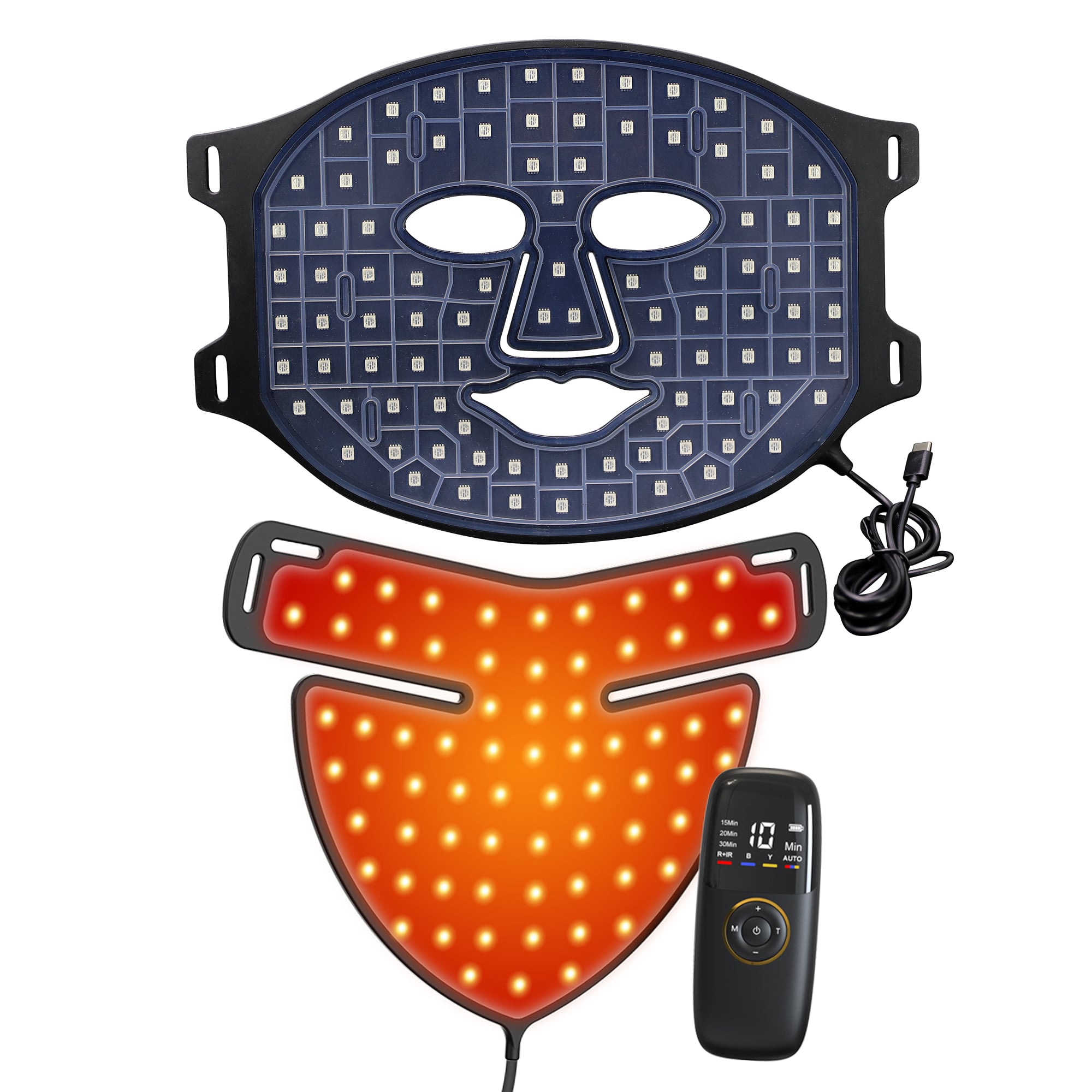
LED light therapy is considered non-invasive because it uses visible light delivered by light-emitting diodes rather than needles, incisions, abrasive tools, or injected substances. The skin is not punctured or intentionally removed. For people exploring a gentler skin-care routine, that distinction is meaningful: a session can be performed without the recovery period commonly associated with procedures that disrupt the skin barrier.
As a beauty-device technical adviser, I encourage buyers and users to treat the term “non-invasive” as a description of delivery method, not a promise of identical results for every person. LED light therapy can be a practical adjunct to a thoughtful routine, but it is not a substitute for diagnosis or individualized medical advice.
An LED device emits selected wavelengths toward the skin. Unlike ultraviolet exposure, LED light therapy for skin care is designed around visible or near-infrared wavelengths and does not rely on intentionally damaging the surface to trigger a response. A mask or panel sits over or near the face, and the treatment is generally quiet, contact-light, and free of needles.
The light reaches skin layers without cutting, scraping, or heating tissue in the way a resurfacing procedure may. That is why the experience is usually described as comfortable and why there is typically no wound-care phase afterward. Still, device instructions matter. Session length, eye protection, skin sensitivity, and the intended treatment area should all be considered before use.
Many aesthetic procedures work by creating controlled injury, removing outer layers, or delivering energy through the skin. LED light therapy follows a different route: light is the input. There is no incision, injection, or needle channel. For routine users, this usually means no peeling, puncture marks, or procedure-related downtime. It also makes LED formats easier to incorporate into a consistent at-home or professional skin-care schedule.
Because LED light therapy does not require a recovery window in the usual sense, users can generally return to normal activities after a session. That convenience is one reason the category appeals to brands developing home-beauty routines. It does not remove the need for sensible use: skin that is irritated, photosensitive, or under active treatment may need professional guidance first.
Different wavelengths are discussed for different skin-care goals. Research and device literature often discuss blue light for acne-focused routines and red light for appearance-of-aging or skin-support goals. For example, published acne protocols have evaluated blue light around 415 nm and red light around 633 nm. Those figures are examples from research, not a universal prescription; output, exposure time, and device design all affect how a protocol should be interpreted.
Evidence around LED light therapy is promising for some concerns, but results vary by concern, device, consistency, skin type, and study design. It is more accurate to say that LED light therapy may support a skin-care goal than to call it a cure. A person with persistent acne, changing pigmentation, unexplained rash, or a condition requiring medical treatment should speak with a qualified clinician.
Non-invasive also does not mean “no precautions.” Read the instructions, avoid using a device in ways the manufacturer does not support, and check with a clinician when taking medicines associated with photosensitivity. Eye protection and fit are especially important with a face-worn device. A well-designed adjustable led mask can help a user follow a repeatable routine, but adjustability alone does not establish safety or effectiveness.
A face-worn format distributes light across a broad area and can be convenient for a hands-free routine. For brands, an affordable red light therapy mask concept should be evaluated as a complete product experience: comfort, materials, controls, packaging instructions, and market-specific compliance planning all deserve attention. Claims should stay aligned with the evidence and the device’s documented intended use.
At BEPERFECT, the broader home-beauty category is approached with OEM and ODM development in mind, so brands can consider how a device’s user experience, instruction set, and positioning work together. Product claims, certifications, and performance specifications need confirmation for the specific finished model rather than inferred from a general LED category discussion.
LED light therapy is considered a non-invasive skin solution because it delivers light without needles, cuts, or deliberate surface removal. That makes it an accessible option for many routine-focused users, with little interruption to daily life. A measured approach is useful: choose a device with clear instructions, use it consistently within its stated protocol, protect sensitive areas, and seek professional guidance when a skin concern is persistent or medically significant.

2026/10/30
Discover why in-house mold development helps an RF beauty device manufacturer improve product consistency, iteration speed, tooling control, and production readiness.

2026/10/30
Learn how to verify an RF beauty device manufacturer's R&D and prototyping capabilities using practical engineering workflows and audit checklists.

2026/10/30
Learn what shapes MOQ when choosing an RF beauty device manufacturer and how to plan a lower-risk first order with balanced platform and customization.

2026/10/30
Use this RF beauty device manufacturer evaluation checklist to compare safety evidence, OEM and ODM capability, quality control, and launch readiness.

2026/10/30
See how technology makes beauty at home more guided, consistent, and informed—plus a practical checklist for choosing devices wisely.

2026/10/30
Explore how AI and smart devices shape the future of beauty with responsive routines, clear guidance, trustworthy design, and user-controlled care.

Ideal for daily facial care routines, providing easy-to-use beauty solutions at home.

Perfect for spas and salons’ frequent treatments, enhancing client experiences and results.

Supports dermatologists with advanced devices for professional skin therapy sessions.

Delivers innovative solutions for full-body massage and relaxation with home devices.

Features anti-aging technologies to help reduce wrinkles and stimulate skin vitality.

Specialized devices for safe and effective hair removal suitable for home or clinic use.

Our customers love the Perfect Idea beauty devices. Quality, packaging, and results are all outstanding. We saw increased repeat sales after adding their facial cleansers to our lineup. Their support team is responsive and reliable.

Perfect Idea brings innovation and reliability to home beauty appliances. Our collaboration introduced their massage tools to Japanese women, boosting customer satisfaction and growing our brand trust across the region.

We partnered with Shenzhen Perfect Idea Tech for their beauty equipment. The shipping was fast and every product matched our expectations. Their home-use massagers are especially popular with local salons and home users.

The stylish packaging and attractive design make Perfect Idea stand out. French consumers appreciate the easy instructions and visible results. Communication was efficient and orders always arrived on time.

Perfect Idea home use personal care devices have become a favorite with our clients. The beauty device line offers quality at a reasonable price, and technical training for our staff made onboarding easy.

We selected Perfect Idea for our beauty product portfolio and have seen very positive feedback from our customers. Products are easy to market online and the customer support is reliable and helpful.
