 EN
Home Skincare
Ideal for daily facial care routines, providing easy-to-use beauty solutions at home.

2026/10/09
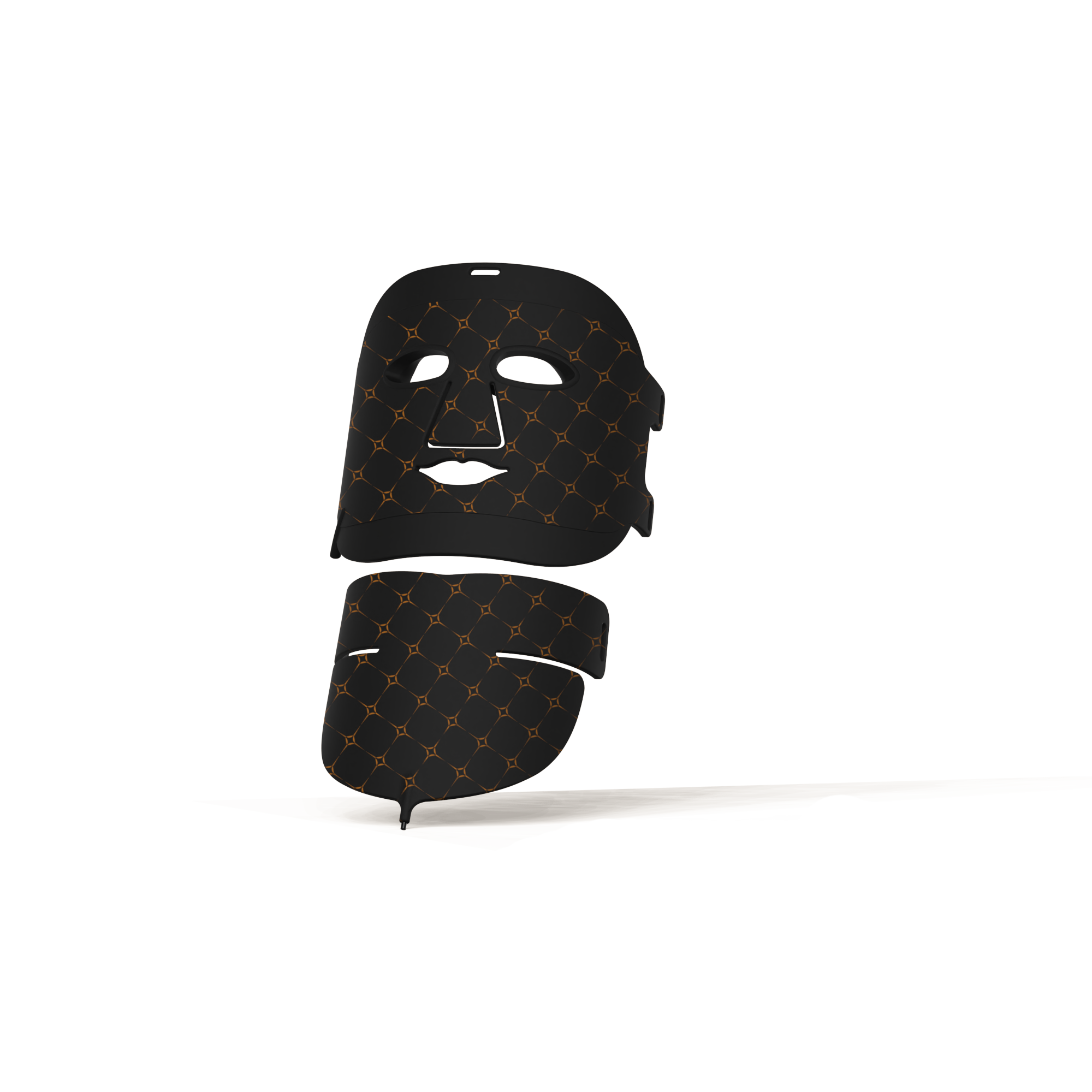
After a cosmetic procedure, people usually want one thing: a calm, predictable recovery routine that does not add unnecessary friction to already reactive skin. For that reason, LED light therapy is often discussed as a supportive option in post-procedure care. It is non-invasive, involves no needles or abrasive contact, and can be incorporated only when the treating clinician says the skin is ready. The important distinction is that LED light therapy is an adjunct, not a replacement for a procedure-specific aftercare plan.
As a technical advisor focused on home beauty-device selection, I look first at whether a technology can be used consistently and within clear boundaries. For post-procedure care, a simple routine, clinician guidance, and a device used as directed matter more than a long list of features. The appeal of LED light therapy comes from that practical fit: it can offer light-based support without introducing another peel, scrub, heat-heavy modality, or active topical at a time when the skin may need less, not more.
Many procedures temporarily change the skin’s tolerance. Depending on what was done, the area may be dry, red, tender, swollen, peeling, or more sensitive to products and friction. In that window, post-procedure care normally prioritizes the instructions provided by the clinician: cleansing, barrier support, sun protection, prescribed products, and follow-up. LED light therapy can be attractive because it does not rely on mechanical exfoliation, suction, microcurrent, or topical actives to be used.
That does not mean every light device is appropriate immediately. Timing depends on the procedure, the treatment area, the person’s skin response, medications, photosensitivity history, and the clinician’s instructions. If there is broken skin, unusual pain, increasing redness, drainage, or concern about infection, stop experimenting with add-on devices and contact the treating provider. A careful question is more useful than a confident assumption: Has my clinician cleared LED use for this procedure and this stage of recovery?
LED light therapy uses selected wavelengths of visible or near-infrared light. In aesthetic settings, it is commonly discussed in relation to skin appearance, comfort, and a gentler recovery experience. Research on photobiomodulation includes post-procedure and wound-healing contexts, but protocols vary by wavelength, dose, schedule, treatment area, and outcome measured. That variation is exactly why a generic online schedule should not override the instructions from a qualified clinician or the device manufacturer.
A realistic expectation is supportive care, not a guarantee of a faster or complication-free recovery. LED light therapy should not be presented as a way to cure a complication, replace medical review, or make every procedure recover the same way. If the priority is protecting a compromised barrier, the right answer may be to wait. In other words, the value of LED light therapy is not that it is universally “better”; it is that, after appropriate clearance, it may fit a low-friction care plan.
After treatment, people often want to avoid rubbing, pressing, or repeatedly applying new products. A properly designed LED light therapy device can deliver its session without scrubbing the area or requiring aggressive manipulation. That makes it easier to keep the rest of the routine conservative. However, masks and panels still need to be clean, and any device that feels hot, uncomfortable, or irritating should be stopped rather than pushed through.
Post-procedure routines are easy to overcomplicate. A short LED light therapy session, when approved, may be easier to repeat than a treatment that needs multiple products or precise technique. Consistency is valuable only when the routine is appropriate, though. More frequent use is not automatically better, and a session should follow the device instructions rather than a social-media trend.
For brands and buyers evaluating home beauty devices, multi-wavelength LED light therapy is a familiar product direction because red, blue, and near-infrared options are commonly discussed for different skincare goals. The selection question is not merely which color sounds most compelling. It is whether the device gives clear instructions, supports hygienic use, communicates realistic claims, and suits the intended market’s compliance requirements. A device must not imply that its light setting provides a medical outcome it has not been cleared or validated to claim.
Good guidance around LED light therapy does not promise instant healing or claim that every user should start immediately. It explains the boundaries: this technology may be considered after clearance, it should be used according to the device instructions, and it belongs beside—not instead of—professional aftercare. That framing is useful for consumers and for brands developing skincare-device education.
It also corrects a common assumption. People sometimes think a more intensive device must deliver a better recovery experience. Not necessarily. After a procedure, a manageable routine may be the more sensible one. If LED light therapy is cleared for the individual situation, its non-invasive format and repeatable use pattern can make it a preferred supportive option. If it is not cleared, waiting is the responsible choice.
Do not assume that same-day LED light therapy is suitable. The answer depends on the procedure and on the clinician’s protocol. Ask the provider who performed the treatment before using LED light therapy.
No. LED light therapy may be a reasonable supportive option in some plans, but it is not a universal add-on. The treating clinician should decide whether LED light therapy fits the condition of the skin and the recovery stage.
There is no one setting that applies to every recovery plan. For LED light therapy, follow procedure-specific advice and the device instructions rather than choosing a setting based solely on a general skincare goal.
Frequency is not a measure of quality. A clinician-cleared LED light therapy routine should use the recommended session length and schedule. More LED light therapy sessions are not automatically more helpful.
Pause LED light therapy if it causes discomfort or if symptoms worsen. Increasing redness, swelling, pain, drainage, or concerns about infection call for clinical advice, not another LED light therapy session.
For an LED light therapy device intended for careful skincare routines, clear instructions, hygienic design, comfortable use, and responsible claims are more meaningful than dramatic promises. A trustworthy LED light therapy product communicates its intended use and does not claim to replace professional aftercare.
For a calmer recovery plan, LED light therapy should be evaluated as one element of aftercare, not as a stand-alone solution. The safest use of LED light therapy begins with clear professional guidance, careful device hygiene, and attention to how the skin feels from one session to the next.
When a provider approves LED light therapy, a measured approach helps keep expectations realistic. This is why post-procedure LED light therapy education should focus on appropriate timing and instructions rather than promising a specific result.
LED light therapy is often preferred for post-procedure care because it can be a gentle, non-invasive addition to a conservative routine. Its usefulness depends on timing, device instructions, skin condition, and clinician approval—not on broad promises. Start with the procedure provider’s plan, use LED light therapy only when appropriate, and treat any unexpected reaction as a reason to pause and seek professional advice.

2026/10/30
Discover why in-house mold development helps an RF beauty device manufacturer improve product consistency, iteration speed, tooling control, and production readiness.

2026/10/30
Learn how to verify an RF beauty device manufacturer's R&D and prototyping capabilities using practical engineering workflows and audit checklists.

2026/10/30
Learn what shapes MOQ when choosing an RF beauty device manufacturer and how to plan a lower-risk first order with balanced platform and customization.

2026/10/30
Use this RF beauty device manufacturer evaluation checklist to compare safety evidence, OEM and ODM capability, quality control, and launch readiness.

2026/10/30
See how technology makes beauty at home more guided, consistent, and informed—plus a practical checklist for choosing devices wisely.

2026/10/30
Explore how AI and smart devices shape the future of beauty with responsive routines, clear guidance, trustworthy design, and user-controlled care.

Ideal for daily facial care routines, providing easy-to-use beauty solutions at home.

Perfect for spas and salons’ frequent treatments, enhancing client experiences and results.

Supports dermatologists with advanced devices for professional skin therapy sessions.

Delivers innovative solutions for full-body massage and relaxation with home devices.

Features anti-aging technologies to help reduce wrinkles and stimulate skin vitality.

Specialized devices for safe and effective hair removal suitable for home or clinic use.

Our customers love the Perfect Idea beauty devices. Quality, packaging, and results are all outstanding. We saw increased repeat sales after adding their facial cleansers to our lineup. Their support team is responsive and reliable.

Perfect Idea brings innovation and reliability to home beauty appliances. Our collaboration introduced their massage tools to Japanese women, boosting customer satisfaction and growing our brand trust across the region.

We partnered with Shenzhen Perfect Idea Tech for their beauty equipment. The shipping was fast and every product matched our expectations. Their home-use massagers are especially popular with local salons and home users.

The stylish packaging and attractive design make Perfect Idea stand out. French consumers appreciate the easy instructions and visible results. Communication was efficient and orders always arrived on time.

Perfect Idea home use personal care devices have become a favorite with our clients. The beauty device line offers quality at a reasonable price, and technical training for our staff made onboarding easy.

We selected Perfect Idea for our beauty product portfolio and have seen very positive feedback from our customers. Products are easy to market online and the customer support is reliable and helpful.
