 EN
Home Skincare
Ideal for daily facial care routines, providing easy-to-use beauty solutions at home.

2026/09/27
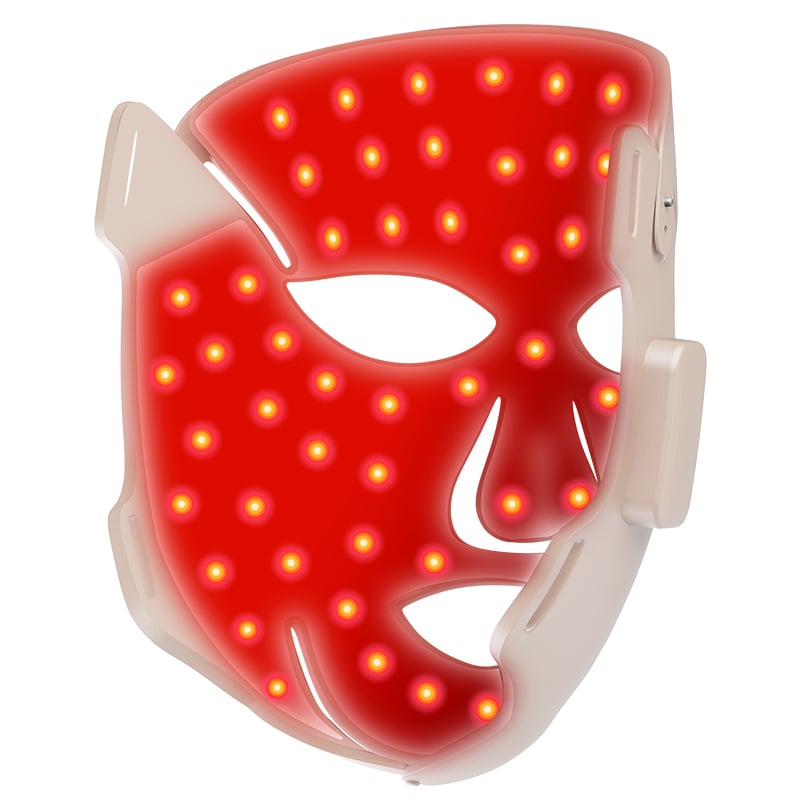
Daily led face therapy can sound like a big promise, especially if your skin is sensitive, oily, dry, acne-prone, or easily flushed. The more accurate answer is conditional: a well-designed at-home LED device can be gentle because it uses non-UV light and does not rely on abrasive exfoliation, electrical current, or deliberately high heat. Still, “safe for all skin types” does not mean every person should start with the same schedule. The device instructions, your current skin condition, and your medical history matter.
As a technical adviser who helps people compare home beauty devices, I look first at repeatable use rather than dramatic claims. With led face care, the useful question is not whether a mask works like sunlight or a clinic procedure. It is whether the wavelength, session length, fit, and routine are appropriate for the person using it.
An led face device emits light from LEDs. It is not the same as UV exposure from the sun or a tanning bed. Consumer light-therapy devices are commonly designed to deliver visible red or blue light, and sometimes near-infrared light, without intentionally heating the skin to a treatment temperature. That difference explains why many people find an led face routine easier to tolerate than aggressive peels, strong scrubs, or heat-based beauty tools.
Light itself is not a guarantee of comfort. Output, distance from the skin, session time, eye protection, and product design still affect the experience. A responsible led face routine should therefore follow the manufacturer’s directions rather than assuming that longer exposure produces a better result.
Normal, dry, oily, and combination skin can often use an led face device when the routine is comfortable and the device is used as directed. These categories describe oil and moisture patterns; they do not automatically predict whether someone will react. Skin sensitivity, barrier damage, active inflammation, allergies, medications, and recent procedures are often more relevant.
For dry skin, use the led face session on clean, dry skin if the device directions say to do so, then follow with a simple moisturizer. For oily or acne-prone skin, keep the device clean and avoid layering occlusive products inside a mask unless the instructions specifically allow it. For combination skin, pay attention to the areas that feel warm or tight rather than treating the entire face as identical.
For sensitive skin, a slower introduction is sensible. Start with the shortest recommended session and leave a few days between early sessions. If your skin barrier is currently irritated, peeling, sunburned, or reacting to a new active ingredient, pause the led face routine until it settles. That is not a failure of the technology; it is a practical way to avoid adding another variable to already stressed skin.
Daily use can be reasonable when it is explicitly permitted by the device manual, the session is brief, and your skin remains comfortable. Many home devices use a timed program to prevent accidental overuse. In that setting, an led face habit can fit into a low-friction skincare routine because it does not require recovery time like a strong resurfacing treatment might.
The word “daily” needs a boundary. If a device recommends three to five sessions per week, follow that schedule instead of converting it into daily use. If you notice persistent redness, burning, swelling, itching, headaches, or eye discomfort, stop using the led face device and seek advice from a qualified clinician if symptoms continue. Comfort during a session is useful feedback, but it does not override a documented warning or a healthcare professional’s guidance.
It is wise to check with a dermatologist or another qualified healthcare professional before beginning an led face program if you have a diagnosed photosensitivity condition, take medicines that increase light sensitivity, have a history of light-triggered reactions, or are managing an eye condition. Ask before use after a recent procedure as well. People with active rashes, open wounds, or a flare of a chronic skin condition should get individualized guidance instead of treating a home device as a substitute for care.
Pregnancy, breastfeeding, and prescription skincare are also good reasons to review the instructions and seek professional advice when unsure. The point is not to create alarm. It is to recognize that a gentle-looking led face device still belongs in a thoughtful routine.
For buyers and brand teams, safety starts before the first session. Look for clear instructions that state intended use, session timing, warnings, cleaning steps, and eye-safety information. Avoid marketing that promises to treat every concern, reverse aging, or suit every user without exceptions. A credible led face product explains its limits as clearly as its features.
Multi-wavelength LED concepts are often discussed for different skincare goals, but the more suitable choice depends on a person’s routine and tolerance, not on the longest feature list. In other words, reliable daily use is more valuable than a complicated device that feels too intense to use consistently.
Led face therapy can be a gentle daily option across many skin types because it uses non-UV light and can be delivered in short, controlled sessions. But daily use is not automatically right for every device or every moment in your skincare journey. Start low, follow the specific instructions, protect your eyes as directed, and pause when your skin is compromised. That measured approach gives led face care a stronger chance to remain comfortable, practical, and skin-respectful.

2026/10/30
Discover why in-house mold development helps an RF beauty device manufacturer improve product consistency, iteration speed, tooling control, and production readiness.

2026/10/30
Learn how to verify an RF beauty device manufacturer's R&D and prototyping capabilities using practical engineering workflows and audit checklists.

2026/10/30
Learn what shapes MOQ when choosing an RF beauty device manufacturer and how to plan a lower-risk first order with balanced platform and customization.

2026/10/30
Use this RF beauty device manufacturer evaluation checklist to compare safety evidence, OEM and ODM capability, quality control, and launch readiness.

2026/10/30
See how technology makes beauty at home more guided, consistent, and informed—plus a practical checklist for choosing devices wisely.

2026/10/30
Explore how AI and smart devices shape the future of beauty with responsive routines, clear guidance, trustworthy design, and user-controlled care.

Ideal for daily facial care routines, providing easy-to-use beauty solutions at home.

Perfect for spas and salons’ frequent treatments, enhancing client experiences and results.

Supports dermatologists with advanced devices for professional skin therapy sessions.

Delivers innovative solutions for full-body massage and relaxation with home devices.

Features anti-aging technologies to help reduce wrinkles and stimulate skin vitality.

Specialized devices for safe and effective hair removal suitable for home or clinic use.

Our customers love the Perfect Idea beauty devices. Quality, packaging, and results are all outstanding. We saw increased repeat sales after adding their facial cleansers to our lineup. Their support team is responsive and reliable.

Perfect Idea brings innovation and reliability to home beauty appliances. Our collaboration introduced their massage tools to Japanese women, boosting customer satisfaction and growing our brand trust across the region.

We partnered with Shenzhen Perfect Idea Tech for their beauty equipment. The shipping was fast and every product matched our expectations. Their home-use massagers are especially popular with local salons and home users.

The stylish packaging and attractive design make Perfect Idea stand out. French consumers appreciate the easy instructions and visible results. Communication was efficient and orders always arrived on time.

Perfect Idea home use personal care devices have become a favorite with our clients. The beauty device line offers quality at a reasonable price, and technical training for our staff made onboarding easy.

We selected Perfect Idea for our beauty product portfolio and have seen very positive feedback from our customers. Products are easy to market online and the customer support is reliable and helpful.
