 EN
Home Skincare
Ideal for daily facial care routines, providing easy-to-use beauty solutions at home.

2026/10/11
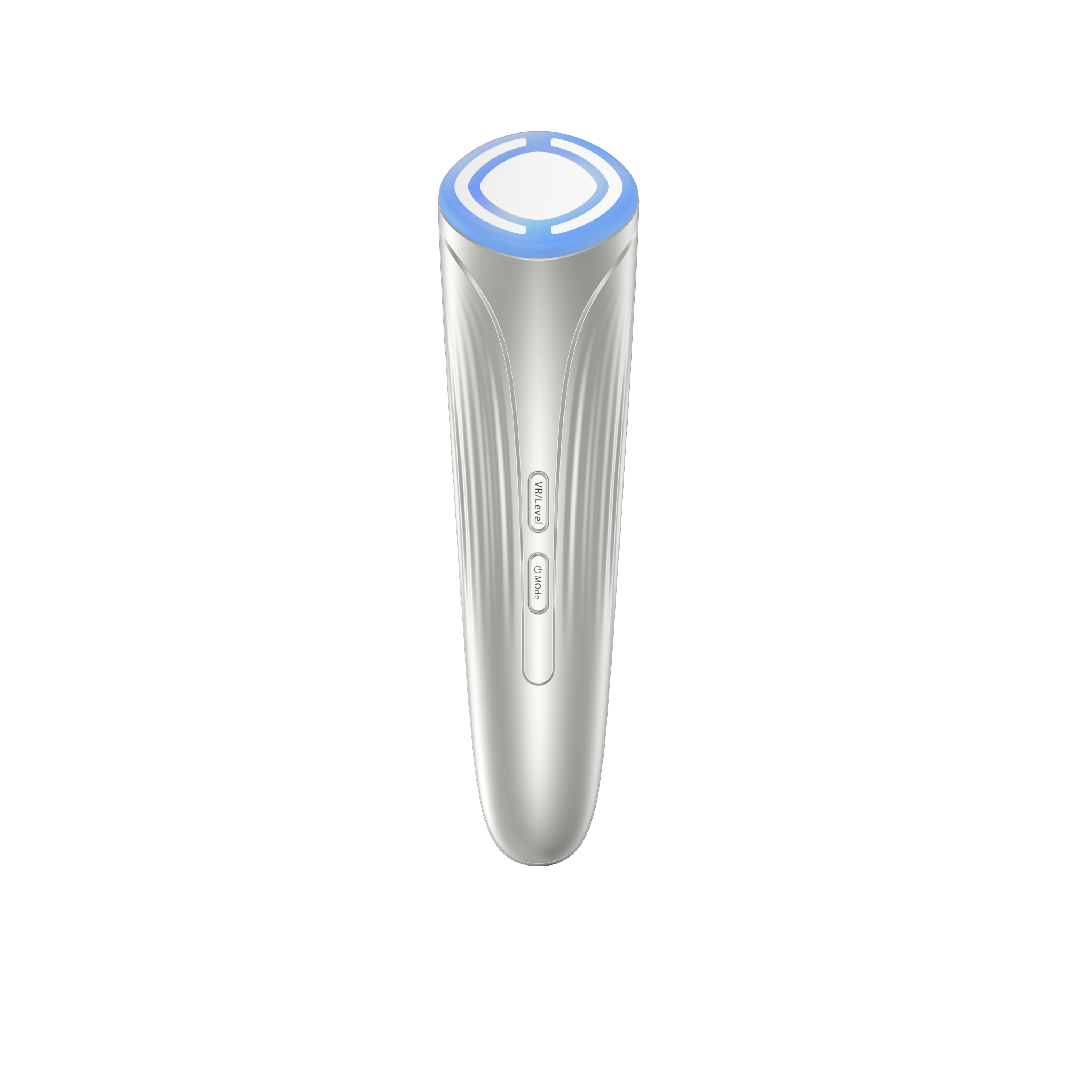
Salon care still has a place, especially when a skin concern needs diagnosis or a treatment needs trained hands. Yet home use beauty equipment has become part of the routine for people who want more control over simple, repeatable care. The appeal is not that a device can match every service offered in a salon. It is that a well-chosen device can make a modest ritual easier to repeat at home.
From an industry-observer perspective, the change is easy to recognize: people now compare home use beauty equipment by fit, instructions, and day-to-day comfort rather than by the longest feature list. That is a useful shift. Consistency, skin tolerance, and a realistic goal usually matter more than an exciting promise on a box.
A salon appointment can feel restorative, but it also requires planning, travel, and a fixed time slot. For a person whose goal is a simple maintenance routine, those barriers can make regular care difficult. Home use beauty equipment brings the routine closer to the bathroom counter, which makes a short session more achievable when time is limited.
Convenience is only one part of the decision. Many shoppers also want to pace their spending and build a routine gradually. A home use beauty equipment purchase may carry an upfront cost, but it can be used repeatedly when it matches the user’s needs and is maintained as instructed. That does not make it automatically better value than salon care; it means the value depends on how often it will genuinely be used.
There is also a privacy factor. Some people prefer to test a gentle routine quietly at home before deciding whether they want professional help. A cordless home beauty device or handheld home beauty device can feel less intimidating than booking a first appointment. Still, privacy should not become a reason to ignore a persistent or worrying skin concern.
Much an at-home beauty device is built for a narrow, repeatable task: cleansing, light-based maintenance, massage, or a guided treatment step. That focus can be more useful than a complicated all-in-one promise. Previously, shoppers often assumed more modes meant a better device. In practice, a feature that fits into a routine is often more valuable than several features that are rarely used.
A portable home beauty device can also be easier to store and use consistently. Comfort, charging, cleaning, and clear controls may sound ordinary, but these details influence whether an at-home beauty device stays in the routine after the novelty wears off.
Consumers can now compare intended use, manuals, ingredient compatibility, and safety directions before purchasing an at-home beauty device. This does not eliminate confusing marketing. It does, however, give buyers a better starting point than choosing solely from a salon menu or a social-media clip.
For light-based devices in particular, accurate language matters. FDA clearance and FDA approval are not interchangeable terms, and a clearance claim should not be treated as a promise of dramatic results. When considering an at-home beauty device, look for the stated intended use, follow the supplied directions, and avoid treating regulatory wording as a substitute for personal suitability.
The strongest reason people adopt an at-home beauty device is that many goals are ongoing rather than one-time. A person may want a calm, repeatable addition to cleansing or a way to maintain a routine between professional appointments. In that context, the device is not competing with expert care at every level; it is solving the smaller problem of making a routine easier to sustain.
That distinction is important. At-home red-light devices, for example, are generally less powerful than dermatologist-provided treatment. Professional guidance may still be appropriate for complex concerns, changing lesions, significant irritation, medication interactions, or a goal that requires diagnosis. an at-home beauty device works most appropriately when it is chosen for an appropriate role, not when it is asked to replace clinical judgment.
Many users are also moving from a price-first mindset to an suitability-first mindset. A home beauty equipment kit with more attachments is not necessarily the right answer. Ask instead: What concern am I trying to address? How much time can I commit? Can I follow the care and hygiene instructions? Those questions make the category less mysterious
Choosing an at-home beauty device does not mean salon visits are obsolete. Professionals can assess skin in person, tailor a treatment, and work with equipment that may not be appropriate for unsupervised use. They can also spot when a beauty concern deserves medical evaluation rather than another product purchase.
The practical approach is often a blended one: use an at-home beauty device for simple, regular maintenance and choose professional care for personalized advice, more intensive treatments, or issues that do not improve. These options are complements for many people, not opposing camps.
an at-home beauty device is replacing some salon visits because it lowers the friction around routine care: it is nearby, repeatable, and easier to fit around real schedules. Its value comes from sensible expectations and safe, consistent use—not from the idea that one device can solve every concern. Choose an at-home beauty device with a clear goal, use it as directed, and leave room for professional advice when your needs go beyond maintenance.

2026/10/30
Discover why in-house mold development helps an RF beauty device manufacturer improve product consistency, iteration speed, tooling control, and production readiness.

2026/10/30
Learn how to verify an RF beauty device manufacturer's R&D and prototyping capabilities using practical engineering workflows and audit checklists.

2026/10/30
Learn what shapes MOQ when choosing an RF beauty device manufacturer and how to plan a lower-risk first order with balanced platform and customization.

2026/10/30
Use this RF beauty device manufacturer evaluation checklist to compare safety evidence, OEM and ODM capability, quality control, and launch readiness.

2026/10/30
See how technology makes beauty at home more guided, consistent, and informed—plus a practical checklist for choosing devices wisely.

2026/10/30
Explore how AI and smart devices shape the future of beauty with responsive routines, clear guidance, trustworthy design, and user-controlled care.

Ideal for daily facial care routines, providing easy-to-use beauty solutions at home.

Perfect for spas and salons’ frequent treatments, enhancing client experiences and results.

Supports dermatologists with advanced devices for professional skin therapy sessions.

Delivers innovative solutions for full-body massage and relaxation with home devices.

Features anti-aging technologies to help reduce wrinkles and stimulate skin vitality.

Specialized devices for safe and effective hair removal suitable for home or clinic use.

Our customers love the Perfect Idea beauty devices. Quality, packaging, and results are all outstanding. We saw increased repeat sales after adding their facial cleansers to our lineup. Their support team is responsive and reliable.

Perfect Idea brings innovation and reliability to home beauty appliances. Our collaboration introduced their massage tools to Japanese women, boosting customer satisfaction and growing our brand trust across the region.

We partnered with Shenzhen Perfect Idea Tech for their beauty equipment. The shipping was fast and every product matched our expectations. Their home-use massagers are especially popular with local salons and home users.

The stylish packaging and attractive design make Perfect Idea stand out. French consumers appreciate the easy instructions and visible results. Communication was efficient and orders always arrived on time.

Perfect Idea home use personal care devices have become a favorite with our clients. The beauty device line offers quality at a reasonable price, and technical training for our staff made onboarding easy.

We selected Perfect Idea for our beauty product portfolio and have seen very positive feedback from our customers. Products are easy to market online and the customer support is reliable and helpful.
