 EN
Home Skincare
Ideal for daily facial care routines, providing easy-to-use beauty solutions at home.

2026/10/06
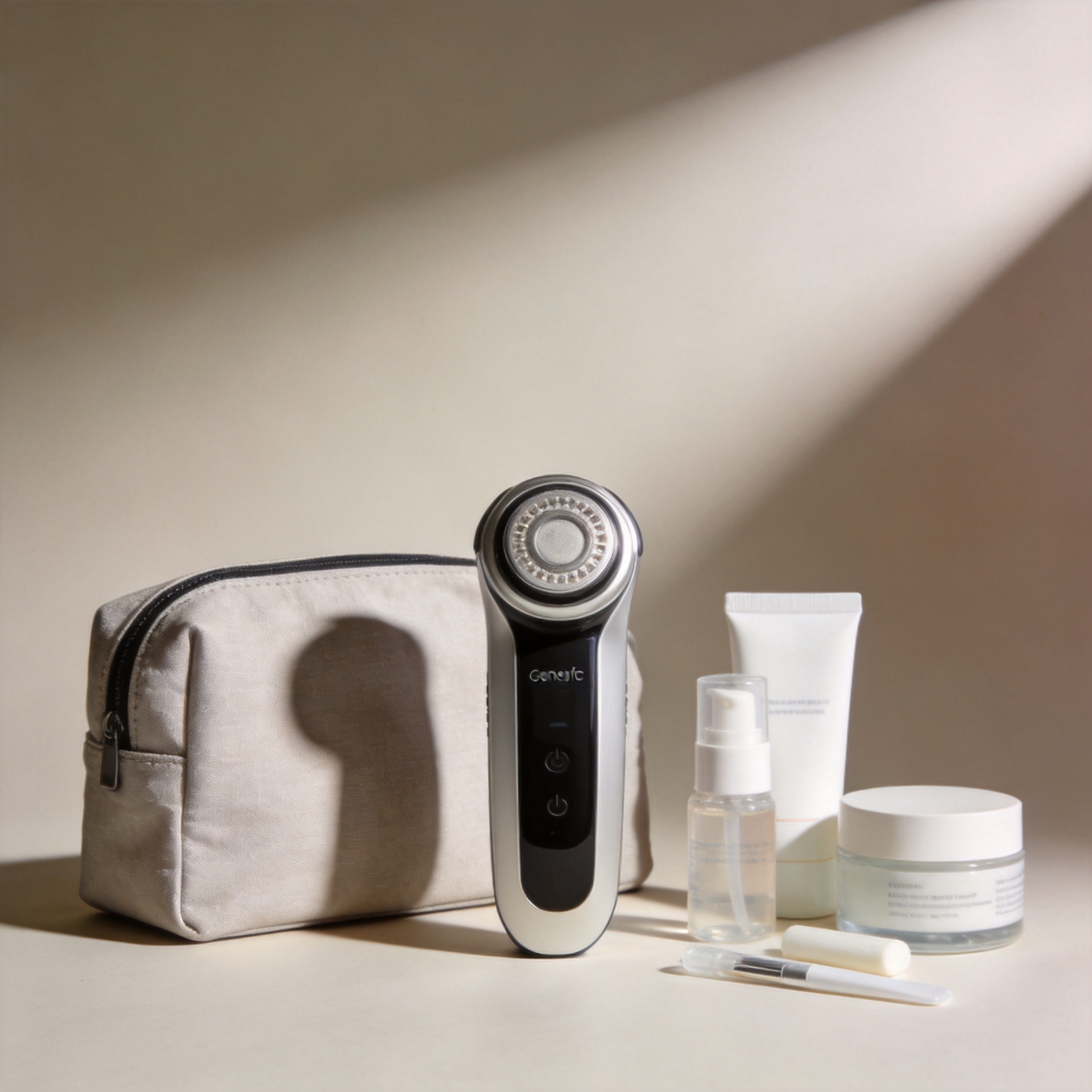
Portability is often treated as a small product detail. In practice, it can decide whether a face care device becomes part of a real routine or stays in a drawer. Modern schedules move between home, work, gyms, hotels, and shared living spaces. A device that is awkward to store, charge, clean, or carry adds friction at every stop. For people who value consistent face care, a portable format can make the routine easier to repeat without turning it into another task to manage.
That does not mean the smallest device is automatically the most suitable face care option. Portability is a system of choices: size, weight distribution, protective storage, charging method, cleaning instructions, and the way the tool fits beside cleansers, serums, sunscreen, and other essentials. For brands and buyers, treating portability as a usability question—not a novelty feature—leads to a more credible face care proposition.
Most everyday routines succeed because they are easy to restart after an interruption. A compact device can live where the routine happens: in a bathroom cabinet, a bedside drawer, a work-trip pouch, or a gym bag. When setup and put-away take only a moment, users have fewer reasons to skip their usual steps.
This is especially relevant for people whose mornings and evenings are not identical every day. A frequent traveler may need a device that stores safely between destinations. A commuter may prefer a tool that does not claim much counter space. Someone in a shared household may value a clean, dedicated case. In each example, a portable routine is less about using a device everywhere and more about keeping a familiar routine available when location changes.
There is another useful perspective: a device should complement a skincare system rather than be judged in isolation. The cleanser, topical products, timing, and user instructions still matter. A portable face care format helps the device fit that system; it should not encourage rushed use or replace the product directions that guide safe, appropriate use.
Brands sometimes reduce portability to a smaller shell. Yet a tiny device can still be inconvenient if it needs a special power adapter, has exposed contact surfaces, or lacks a sensible place for its cable and accessories. Better face care portability considers the entire ownership journey.
Ergonomics deserve particular attention. A portable device is likely to be picked up frequently, so comfort is not separate from portability. Weight distribution and the angle of the grip can influence how controlled the experience feels. This is not a claim about outcomes; it is a design consideration that can make regular use feel less cumbersome.
Portability works when a brand identifies the moments it is solving for. At home, space-saving face care can reduce visual clutter and make routine items easier to keep together. During travel, a secure case and a simple charging plan may be more valuable than extra accessories. After exercise, users may want a routine that can be completed after cleansing without unpacking a large appliance.
But there is an important distinction. Portable does not mean that every device should be used in every setting. Water exposure, hygiene, local power arrangements, skin condition, and the manufacturer’s instructions all matter. Responsible face care communication sets those boundaries plainly. It avoids implying that a device is suitable for use on a plane, in a moving vehicle, or in other situations where the instructions do not support that use.
For a brand team, portability is an opportunity to define a more useful at-home beauty experience. The evaluation should begin with the intended user rather than a single visual trend. Does the product fit a limited-storage apartment? Can its packaging protect it during ordinary travel? Are controls understandable without a lengthy setup? Can the user distinguish the device from other personal-care items in a packed bag?
OEM and ODM planning can help address these questions early. At BEPERFECT, product development and customization can include consideration of functional design, exterior direction, and packaging concepts for brand positioning. That does not make a universal portability promise. It gives a brand a structured way to discuss how its target customer will store, hold, charge, and transport a face care device.
It is also wise to review claims and instructions alongside industrial design. Regulatory expectations differ by market and by the claims a product makes. Clear labeling, appropriate safety information, and a review of the intended claim language are essential before presenting any face care device to consumers. A compact form factor should strengthen convenience messaging, not become a shortcut around compliance review.
Device portability matters because modern face care routines need to work around real life, not demand that real life slow down. The most valuable portable designs are not merely smaller. They reduce friction around storage, handling, charging, cleaning, and travel while keeping instructions clear and responsible. For brands, that perspective can turn portability from a headline feature into a considered everyday-care benefit—one that supports everyday usability without overstating what a device can do.

2026/10/30
Discover why in-house mold development helps an RF beauty device manufacturer improve product consistency, iteration speed, tooling control, and production readiness.

2026/10/30
Learn how to verify an RF beauty device manufacturer's R&D and prototyping capabilities using practical engineering workflows and audit checklists.

2026/10/30
Learn what shapes MOQ when choosing an RF beauty device manufacturer and how to plan a lower-risk first order with balanced platform and customization.

2026/10/30
Use this RF beauty device manufacturer evaluation checklist to compare safety evidence, OEM and ODM capability, quality control, and launch readiness.

2026/10/30
See how technology makes beauty at home more guided, consistent, and informed—plus a practical checklist for choosing devices wisely.

2026/10/30
Explore how AI and smart devices shape the future of beauty with responsive routines, clear guidance, trustworthy design, and user-controlled care.

Ideal for daily facial care routines, providing easy-to-use beauty solutions at home.

Perfect for spas and salons’ frequent treatments, enhancing client experiences and results.

Supports dermatologists with advanced devices for professional skin therapy sessions.

Delivers innovative solutions for full-body massage and relaxation with home devices.

Features anti-aging technologies to help reduce wrinkles and stimulate skin vitality.

Specialized devices for safe and effective hair removal suitable for home or clinic use.

Our customers love the Perfect Idea beauty devices. Quality, packaging, and results are all outstanding. We saw increased repeat sales after adding their facial cleansers to our lineup. Their support team is responsive and reliable.

Perfect Idea brings innovation and reliability to home beauty appliances. Our collaboration introduced their massage tools to Japanese women, boosting customer satisfaction and growing our brand trust across the region.

We partnered with Shenzhen Perfect Idea Tech for their beauty equipment. The shipping was fast and every product matched our expectations. Their home-use massagers are especially popular with local salons and home users.

The stylish packaging and attractive design make Perfect Idea stand out. French consumers appreciate the easy instructions and visible results. Communication was efficient and orders always arrived on time.

Perfect Idea home use personal care devices have become a favorite with our clients. The beauty device line offers quality at a reasonable price, and technical training for our staff made onboarding easy.

We selected Perfect Idea for our beauty product portfolio and have seen very positive feedback from our customers. Products are easy to market online and the customer support is reliable and helpful.
