 EN
Home Skincare
Ideal for daily facial care routines, providing easy-to-use beauty solutions at home.

2026/10/11
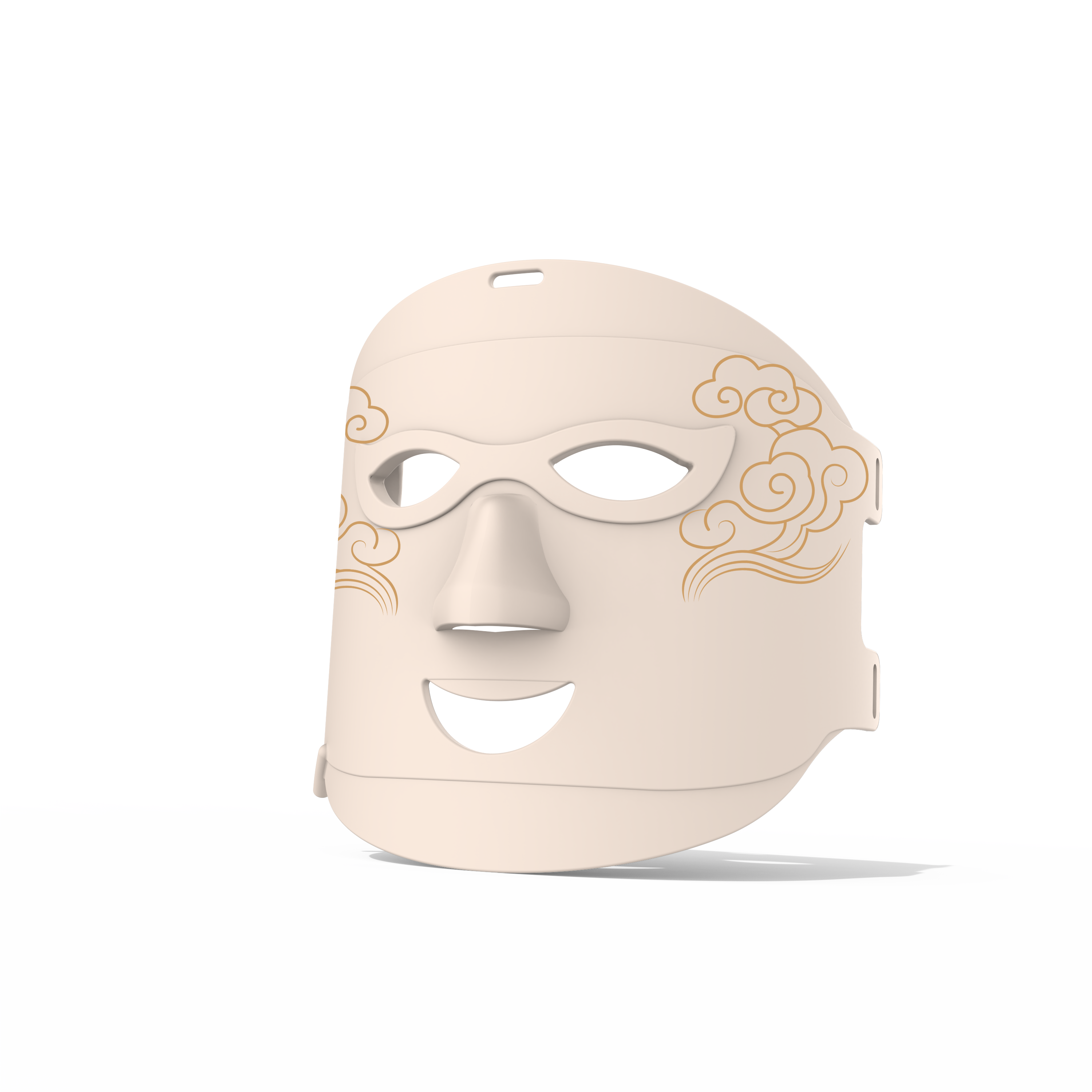
A face mask may look polished on a product page yet become something users set aside after only a few sessions. For wearable beauty devices, comfort is not a decorative extra: it is part of whether the routine feels manageable. As a technical adviser who reviews home beauty-device designs, I look past feature lists first and ask a simpler question: can this face mask sit securely without making the user count down the minutes until it comes off?
Ergonomic design addresses that question by considering facial contours, contact pressure, weight, adjustment, sight lines, and the small movements people make while sitting or reclining. A well-considered face mask does not need to grip tightly to stay in place. Instead, it distributes contact thoughtfully and gives the wearer a reasonable way to personalize the fit.
It can be tempting to judge a face mask by one visible cue, such as a silicone edge or padded strap. Those details matter, but ergonomics is the relationship among all the parts. A soft surface can still feel uncomfortable if the mask’s weight pulls forward. A light shell can still pinch if its opening does not suit the bridge of the nose. And an adjustable strap can still create pressure if it is the only element keeping the device stable.
That is why good ergonomic design begins with load distribution. The face has uneven contours and sensitive areas around the nose, cheekbones, temples, and eye sockets. When a face mask concentrates pressure at one point, users may feel indentation, slipping, or the urge to readjust it. A design that spreads contact across appropriate areas is more likely to feel stable without becoming restrictive.
Another useful distinction between close contact and excessive compression. A face mask may need to remain near the skin for its intended use, yet a suitable fit is not automatically the tightest fit. If the user has to over-tighten straps to prevent movement, the frame, balance, or contact geometry may deserve another look.
No two faces have the same width, nose profile, cheekbone height, or jaw shape. An ergonomic face mask therefore needs more than a single “universal” curve. Flexible materials, thoughtfully shaped openings, and multiple adjustment points can help the product accommodate normal variation without asking every wearer to tolerate the same pressure pattern.
For buyers comparing designs, the nose area is a practical place to inspect. A face mask that rests too firmly on the bridge can distract from the entire session. One with too much empty space may shift when the wearer speaks, turns, or reclines. The goal is neither a sealed medical fit nor a loose accessory; it is predictable, gentle positioning for the product’s stated home-use routine.
Eye clearance matters for the same reason. A face mask should leave adequate space around the eyes and avoid an edge that repeatedly rubs lashes, brows, or upper cheeks. Where a design includes eye protection or removable shields, users should still be able to determine whether the arrangement feels comfortable for their own sensitivity and preferences. Comfort claims should remain conditional: a fit that works well for one person may not suit another facial shape.
A face mask can feel acceptable for thirty seconds and uncomfortable several minutes later. That difference often comes from weight distribution. When most of the mass sits far in front of the face, the straps must compensate, which can create tension at the temples or around the head. A better-balanced face mask keeps the device close to the face and avoids making the wearer carry a forward pull.
Balance is especially relevant for users who want to sit upright during a session. A stable design should not require constant hand support or repeated strap tightening. It should also stay reasonably predictable when the wearer makes ordinary movements, such as looking down at a phone or shifting against a chair. These small usability details influence whether the routine feels easy enough to repeat.
Adjustable straps are valuable only when users can understand and operate them. An ergonomic face mask benefits from clear, reachable adjustment points that allow a user to make small changes rather than choose between loose and painfully tight. Multiple attachment points can help distribute tension, but more hardware is not automatically better if setup becomes confusing.
In practical testing, encourage wearers to set the face mask while relaxed rather than pulling every strap to maximum tension. They should check whether it stays aligned while they breathe normally, lean back, and move their jaw slightly. If a minor movement causes sliding, or if stability requires a strong pull, the issue may be the design-to-face match rather than user error.
For home beauty devices, a comfortable face mask is more likely to become part of a routine than one associated with pressure, glare, or awkward setup. This does not promise cosmetic outcomes. It reflects a usability principle: people are generally more willing to follow a product’s instructions when the experience is tolerable and straightforward.
Many buyers start by comparing modes, materials, or promotional claims. Those factors can be relevant, but comfort deserves equal attention. Before choosing a face mask, consider how it contacts the nose and cheeks, where its weight sits, whether the straps permit fine adjustment, how the eye area feels, and whether the device remains stable without overtightening. A fit-first assessment can prevent the common mistake of equating a more forceful fit with a better one.
Ergonomic design does not mean one face mask will fit everyone perfectly. It means the product has been designed around the realities of human faces and everyday routines. When fit, balance, pressure distribution, and adjustability work together, a face mask is less likely to feel like a chore—and more likely to be used as directed.

2026/10/30
Discover why in-house mold development helps an RF beauty device manufacturer improve product consistency, iteration speed, tooling control, and production readiness.

2026/10/30
Learn how to verify an RF beauty device manufacturer's R&D and prototyping capabilities using practical engineering workflows and audit checklists.

2026/10/30
Learn what shapes MOQ when choosing an RF beauty device manufacturer and how to plan a lower-risk first order with balanced platform and customization.

2026/10/30
Use this RF beauty device manufacturer evaluation checklist to compare safety evidence, OEM and ODM capability, quality control, and launch readiness.

2026/10/30
See how technology makes beauty at home more guided, consistent, and informed—plus a practical checklist for choosing devices wisely.

2026/10/30
Explore how AI and smart devices shape the future of beauty with responsive routines, clear guidance, trustworthy design, and user-controlled care.

Ideal for daily facial care routines, providing easy-to-use beauty solutions at home.

Perfect for spas and salons’ frequent treatments, enhancing client experiences and results.

Supports dermatologists with advanced devices for professional skin therapy sessions.

Delivers innovative solutions for full-body massage and relaxation with home devices.

Features anti-aging technologies to help reduce wrinkles and stimulate skin vitality.

Specialized devices for safe and effective hair removal suitable for home or clinic use.

Our customers love the Perfect Idea beauty devices. Quality, packaging, and results are all outstanding. We saw increased repeat sales after adding their facial cleansers to our lineup. Their support team is responsive and reliable.

Perfect Idea brings innovation and reliability to home beauty appliances. Our collaboration introduced their massage tools to Japanese women, boosting customer satisfaction and growing our brand trust across the region.

We partnered with Shenzhen Perfect Idea Tech for their beauty equipment. The shipping was fast and every product matched our expectations. Their home-use massagers are especially popular with local salons and home users.

The stylish packaging and attractive design make Perfect Idea stand out. French consumers appreciate the easy instructions and visible results. Communication was efficient and orders always arrived on time.

Perfect Idea home use personal care devices have become a favorite with our clients. The beauty device line offers quality at a reasonable price, and technical training for our staff made onboarding easy.

We selected Perfect Idea for our beauty product portfolio and have seen very positive feedback from our customers. Products are easy to market online and the customer support is reliable and helpful.
