 EN
Home Skincare
Ideal for daily facial care routines, providing easy-to-use beauty solutions at home.

2026/09/30
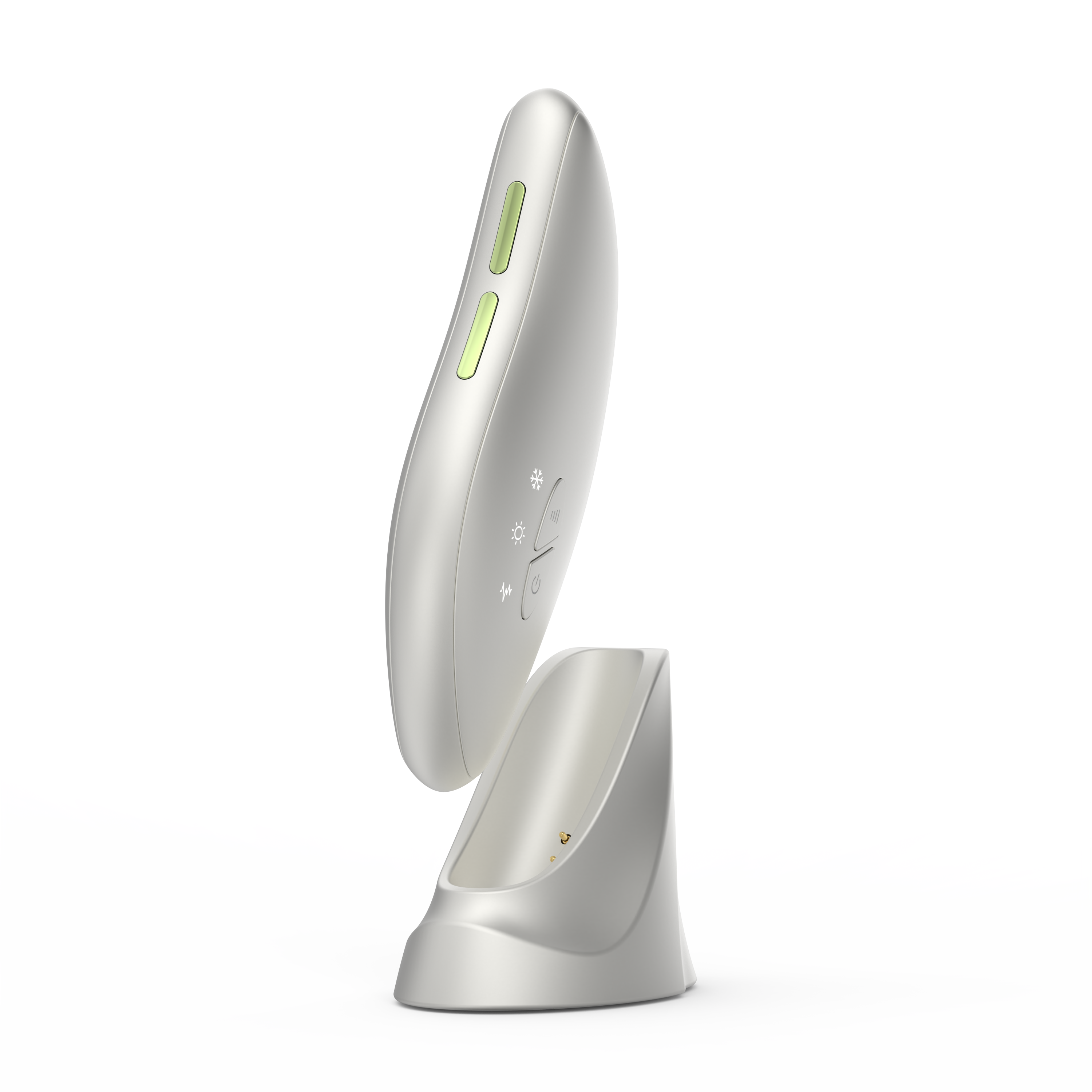
A handheld facial device can have an appealing feature list and still end up in a drawer. The reason is often simple: if it is awkward to hold, aim, or move across the face, daily use becomes work. For a category built around short, repeatable routines, ergonomic design is not a decorative extra. It shapes whether the user can apply a handheld facial device consistently, comfortably, and with enough control to follow the intended routine.
As a home beauty-device technical advisor, I look beyond a specification sheet when evaluating a handheld facial device. I start with the treatment goal, then examine handling and user comfort before discussing functions. This approach matters for brands, because repeat use—not a one-time unboxing impression—is where product design earns trust.
Ergonomics is the fit between a product and the person using it. In a handheld facial device, that fit includes the handle shape, weight distribution, button placement, surface texture, treatment-head angle, visual cues, and the force required to operate controls. Each detail affects how naturally the device sits in the hand and how easily it follows facial contours.
The key question is not merely, “Does the handheld facial device feel comfortable for ten seconds?” It is whether it remains manageable while a person moves from the cheeks to the jawline, chin, forehead, and smaller areas around the nose. A device that requires repeated wrist rotation or a tight grip can create unnecessary strain. When that happens, users may shorten sessions, skip hard-to-reach areas, or stop using the handheld facial device altogether.
For daily-care products, consistency is a usability outcome. A comfortable handheld facial device lowers the small barriers that make a routine easy to postpone: finding a stable grip, checking which button to press, keeping the head at the right orientation, and holding the product without hand fatigue.
A useful grip gives the hand a clear, secure place to rest without forcing the fingers into a narrow or slippery position. Diameter, contour, and texture all matter. If the body is too wide, users with smaller hands may compensate by squeezing. If it is too narrow, the device may feel unstable during a slow glide. If the housing is smooth in the wrong places, skincare products or conductive gel can make a handheld facial device harder to control.
Balance is equally important. The device should not feel top-heavy when the treatment head touches the skin. A front-heavy handheld facial device can increase the effort needed to maintain a light, steady contact. That extra effort is easy to overlook in a showroom test, but it becomes noticeable across a week of routines.
For an OEM or ODM brief, this means testing more than appearance. Ask users with different hand sizes to hold the sample in the positions used for cheeks, jawline, and forehead. Observe whether they shift their grip, brace their wrist, or accidentally cover controls. Those behaviors reveal more than a generic claim that the product is “easy to hold.”
Faces are not flat. A handheld facial device needs a treatment head and body relationship that lets users approach curved areas without forcing the wrist into an extreme angle. The jawline and lower cheek are common trouble spots because the user may need to look in a mirror while guiding the device upward or outward.
A thoughtfully angled head can help a handheld facial device maintain a natural wrist posture while preserving visibility of the treatment area. The goal is not one universal angle for every modality. Instead, the geometry should suit the intended motion, contact surface, and routine duration. A compact device for targeted areas may need a different balance from a broader tool designed for sweeping movements.
This is where design teams should test movement paths, not only static poses. Mark a typical route on a face-shaped test form, then ask testers to complete it with their dominant and non-dominant hands. If the handheld facial device repeatedly causes a wrist bend, obscures the mirror view, or loses contact at transitions, the form factor needs refinement.
Daily-use ergonomics also includes how a user understands the handheld facial device while holding it. Buttons should be easy to locate by touch, distinct enough to avoid accidental presses, and placed away from normal grip zones. Clear indicators can confirm power, mode, and charging status without asking the user to twist the product around or interrupt a session.
Good feedback is restrained. A handheld facial device does not need a crowded interface to feel advanced. A sensible control sequence, legible icons, and understandable prompts can reduce hesitation. If a device uses multiple modes, the user should be able to tell what changed and how to return to a preferred setting. This is especially relevant for brands planning customized housings or private-label interfaces: visual identity should not compete with basic usability.
Comfort is inseparable from responsible use. When a handheld facial device is easy to guide, users are more likely to follow its instructions, keep movements controlled, and avoid rushing. That does not guarantee any individual skincare result, and a device should be used according to its instructions and suitability guidance. It does mean the physical design can make correct technique less difficult to repeat.
There is also a practical distinction between comfort and softness. A very soft-looking housing is not automatically ergonomic if the controls are hard to find or the body shifts in the hand. Conversely, a firmer handheld facial device may feel more secure when its contact points, center of gravity, and surface finish are well considered.
For brands working with an experienced home beauty-device manufacturer, ergonomic review belongs early in product development. BEPERFECT supports OEM and ODM development across home beauty devices, so the productive conversation is not simply about selecting a color or adding a logo. It is about aligning the housing, interface, intended routine, and target-market expectations before a design is locked.
Ergonomic design is critical because a handheld facial device only delivers its intended user experience when people can and want to use it repeatedly. Grip comfort, weight balance, head angle, controls, and feedback all shape that decision. For consumers, these details make a routine feel less demanding. For brand owners, they can differentiate a handheld facial device through everyday usability rather than feature count alone. A practical starting point is simple: test the product in the motions real users will perform every day.

2026/10/30
Discover why in-house mold development helps an RF beauty device manufacturer improve product consistency, iteration speed, tooling control, and production readiness.

2026/10/30
Learn how to verify an RF beauty device manufacturer's R&D and prototyping capabilities using practical engineering workflows and audit checklists.

2026/10/30
Learn what shapes MOQ when choosing an RF beauty device manufacturer and how to plan a lower-risk first order with balanced platform and customization.

2026/10/30
Use this RF beauty device manufacturer evaluation checklist to compare safety evidence, OEM and ODM capability, quality control, and launch readiness.

2026/10/30
See how technology makes beauty at home more guided, consistent, and informed—plus a practical checklist for choosing devices wisely.

2026/10/30
Explore how AI and smart devices shape the future of beauty with responsive routines, clear guidance, trustworthy design, and user-controlled care.

Ideal for daily facial care routines, providing easy-to-use beauty solutions at home.

Perfect for spas and salons’ frequent treatments, enhancing client experiences and results.

Supports dermatologists with advanced devices for professional skin therapy sessions.

Delivers innovative solutions for full-body massage and relaxation with home devices.

Features anti-aging technologies to help reduce wrinkles and stimulate skin vitality.

Specialized devices for safe and effective hair removal suitable for home or clinic use.

Our customers love the Perfect Idea beauty devices. Quality, packaging, and results are all outstanding. We saw increased repeat sales after adding their facial cleansers to our lineup. Their support team is responsive and reliable.

Perfect Idea brings innovation and reliability to home beauty appliances. Our collaboration introduced their massage tools to Japanese women, boosting customer satisfaction and growing our brand trust across the region.

We partnered with Shenzhen Perfect Idea Tech for their beauty equipment. The shipping was fast and every product matched our expectations. Their home-use massagers are especially popular with local salons and home users.

The stylish packaging and attractive design make Perfect Idea stand out. French consumers appreciate the easy instructions and visible results. Communication was efficient and orders always arrived on time.

Perfect Idea home use personal care devices have become a favorite with our clients. The beauty device line offers quality at a reasonable price, and technical training for our staff made onboarding easy.

We selected Perfect Idea for our beauty product portfolio and have seen very positive feedback from our customers. Products are easy to market online and the customer support is reliable and helpful.
