 EN
Home Skincare
Ideal for daily facial care routines, providing easy-to-use beauty solutions at home.

2026/10/16
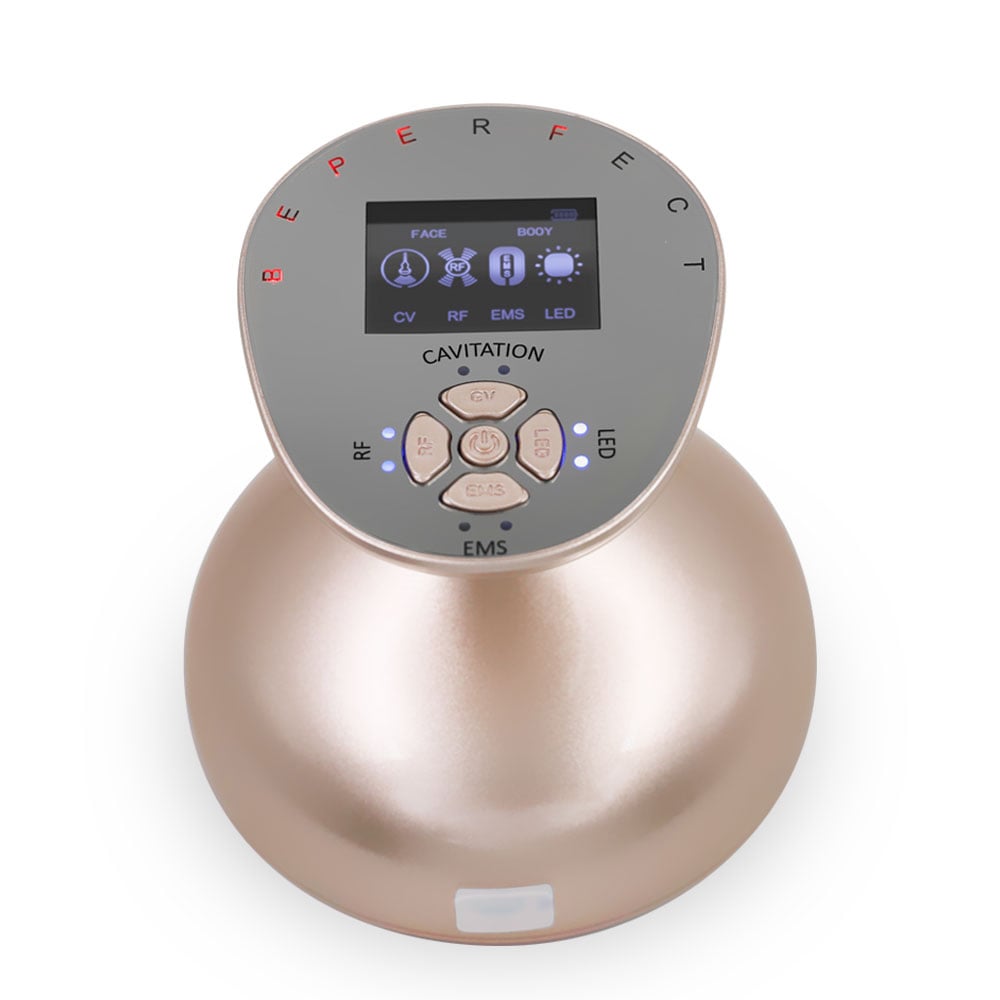
Professional salons are adopting EMS face technology because clients increasingly want non-invasive facial services that feel individualized, explainable, and worth booking. A well-run EMS face service is not sold as a shortcut or a medical procedure. Its value comes from trained consultation, a consistent protocol, careful comfort monitoring, and realistic communication about aesthetic care.
From an industry-observer perspective, the question is no longer whether clients have heard of an EMS face device. Retail listings, social content, and at-home tools have made the category familiar. The more important salon question is what professional delivery adds. The answer is skilled judgment around whether an EMS face treatment fits the client, how it is performed, and when it should be postponed.
EMS means electrical muscle stimulation. In an aesthetic setting, an EMS face device uses low-level electrical pulses as part of a facial-care routine. It is often mentioned with microcurrent, but the terms are not interchangeable. Device design, waveform, intensity, electrode contact, intended use, and instructions can differ. A salon should therefore describe its EMS face service according to the specific device documentation rather than borrow broad claims from unrelated products.
Clear language is important. An EMS face facial should not be presented as a medical treatment, a substitute for surgery, or a promise to change facial structure. The U.S. Food and Drug Administration states that electrical muscle stimulators are devices under federal law and notes reports associated with some devices, including skin irritation and burns. This does not define every salon device or market, but it does underline why EMS face protocols need clear instructions, appropriate screening, and claims that match the intended use.
A standard facial can feel repetitive if every booking follows the same sequence. An EMS face option gives an esthetician a decision point: whether electrical stimulation fits the client’s goals, visible skin condition, tolerance, and plan for that day. That conversation is part of the value. The professional is not simply turning on an EMS face device; they are explaining what will happen, checking comfort, and choosing a treatment path that fits the appointment.
This is particularly useful when clients compare salon care with an at-home EMS face tool. A boxed device cannot assess the client in the room, adjust the pace within its instructions, or decide that another facial step is more suitable. If someone has irritated skin, active lesions, a recent procedure, or a relevant contraindication, the responsible choice may be to defer the EMS face step. That boundary builds trust rather than diminishing the service.
Many clients want a technology-led treatment without pursuing invasive procedures. A supervised EMS face session can support that preference when the salon sets modest, individualized expectations. The attraction may be a feeling of focused care, a structured facial routine, or the combination of device work with manual techniques. It should not rest on exaggerated outcome language.
Higher intensity is not automatically better. In an EMS face appointment, comfort, skin response, conductive medium, electrode contact, and practitioner technique affect the experience. A repeatable EMS face protocol that respects comfort is more credible than one that treats discomfort as evidence of value.
Equipment alone does not create a professional EMS face experience. Salons gain an advantage when they build a service around practical operational controls:
Those details solve a business problem: consistency. Clients evaluate whether the EMS face booking felt safe, whether the practitioner appeared confident, whether the service was comfortable, and whether the explanation matched the experience. A salon that can repeat those basics has a more defensible service story than one relying on a feature list.
Interest in EMS face services is shaping procurement conversations as well. Buyers should look beyond a demonstration unit and ask whether a supplier can support a coherent professional program.
For brands, ODM flexibility can be valuable when it improves the interface, localized instructions, packaging, or service concept. It should not be used to manufacture louder EMS face claims than the evidence supports. A supplier with experience in beauty-device development, quality consistency, and market-specific documentation can help a brand make a practical evaluation, but the final claim set must remain appropriately supported.
A credible EMS face appointment starts before the device is switched on. Staff confirm goals, review directions, assess visible skin condition, and explain what the EMS face step is designed to contribute that day. During the session, they use the specified conductive medium, follow approved placement and timing, and check comfort. If sensation becomes unpleasant or skin response is concerning, the appropriate response is to reduce, stop, or change the EMS face treatment.
Afterward, simple aftercare guidance and a record of the EMS face settings or treatment path can help the salon make a later appointment more consistent. This turns a device category into a service system: a client receives clearer expectations, and the team has a more reliable way to deliver the EMS face experience.
Professional salons are interested in EMS face technology because it can add a modern, non-invasive step to facial care while creating room for consultation and skilled delivery. Strong EMS face programs do not rely on dramatic promises. They use responsible screening, realistic language, hygienic application, and protocol quality as the differentiator. That is what gives an EMS face service lasting value for clients, operators, and brands.

2026/10/30
Discover why in-house mold development helps an RF beauty device manufacturer improve product consistency, iteration speed, tooling control, and production readiness.

2026/10/30
Learn how to verify an RF beauty device manufacturer's R&D and prototyping capabilities using practical engineering workflows and audit checklists.

2026/10/30
Learn what shapes MOQ when choosing an RF beauty device manufacturer and how to plan a lower-risk first order with balanced platform and customization.

2026/10/30
Use this RF beauty device manufacturer evaluation checklist to compare safety evidence, OEM and ODM capability, quality control, and launch readiness.

2026/10/30
See how technology makes beauty at home more guided, consistent, and informed—plus a practical checklist for choosing devices wisely.

2026/10/30
Explore how AI and smart devices shape the future of beauty with responsive routines, clear guidance, trustworthy design, and user-controlled care.

Ideal for daily facial care routines, providing easy-to-use beauty solutions at home.

Perfect for spas and salons’ frequent treatments, enhancing client experiences and results.

Supports dermatologists with advanced devices for professional skin therapy sessions.

Delivers innovative solutions for full-body massage and relaxation with home devices.

Features anti-aging technologies to help reduce wrinkles and stimulate skin vitality.

Specialized devices for safe and effective hair removal suitable for home or clinic use.

Our customers love the Perfect Idea beauty devices. Quality, packaging, and results are all outstanding. We saw increased repeat sales after adding their facial cleansers to our lineup. Their support team is responsive and reliable.

Perfect Idea brings innovation and reliability to home beauty appliances. Our collaboration introduced their massage tools to Japanese women, boosting customer satisfaction and growing our brand trust across the region.

We partnered with Shenzhen Perfect Idea Tech for their beauty equipment. The shipping was fast and every product matched our expectations. Their home-use massagers are especially popular with local salons and home users.

The stylish packaging and attractive design make Perfect Idea stand out. French consumers appreciate the easy instructions and visible results. Communication was efficient and orders always arrived on time.

Perfect Idea home use personal care devices have become a favorite with our clients. The beauty device line offers quality at a reasonable price, and technical training for our staff made onboarding easy.

We selected Perfect Idea for our beauty product portfolio and have seen very positive feedback from our customers. Products are easy to market online and the customer support is reliable and helpful.
