 EN
Home Skincare
Ideal for daily facial care routines, providing easy-to-use beauty solutions at home.

2026/10/23
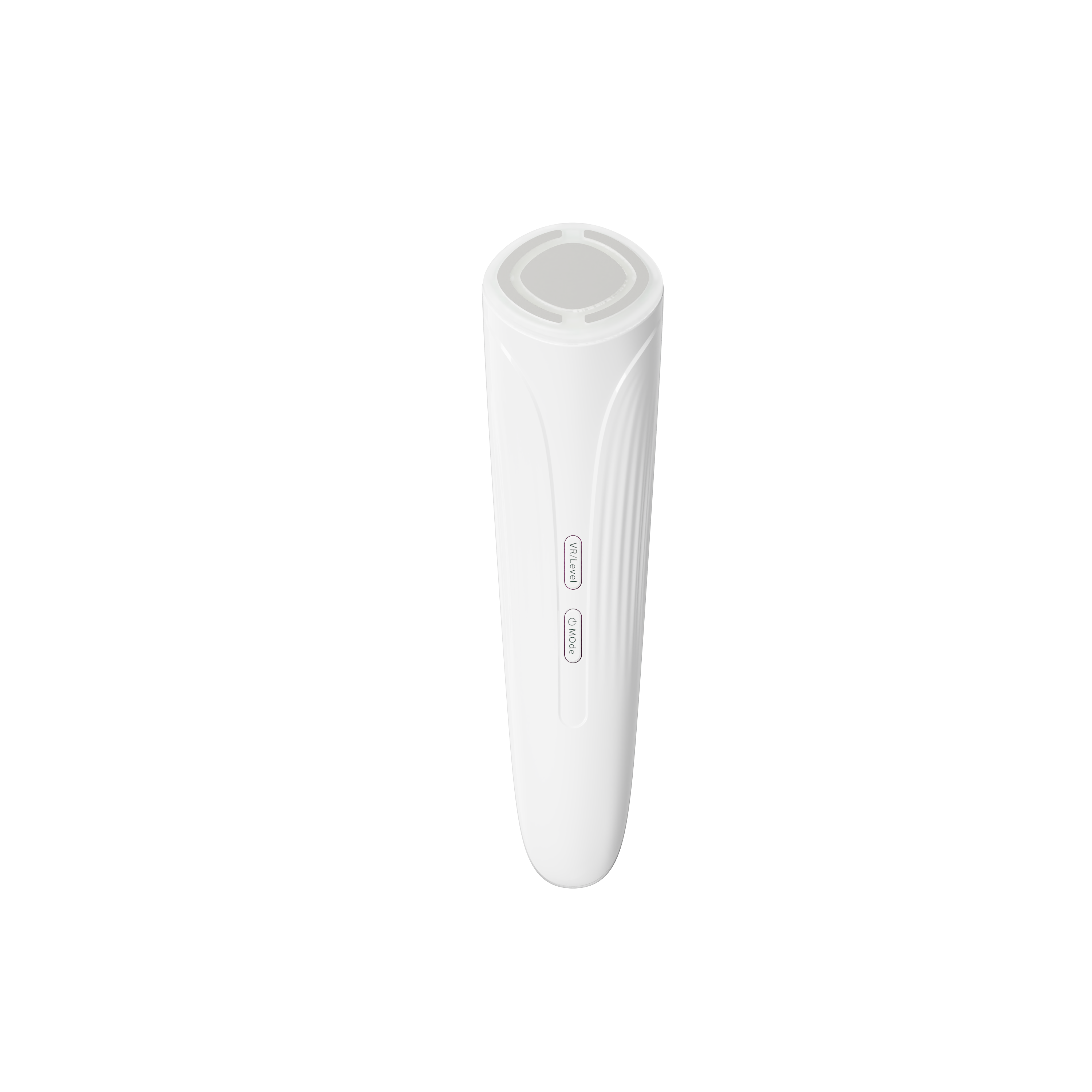
A cord is easy to overlook when comparing a facial device, massage tool, or light-based routine. Yet for home use beauty equipment, the power arrangement often decides whether a device becomes part of a routine or remains in a drawer. Cordless design does not automatically make every device better. It changes the conditions of use: where people can sit, how quickly they can begin, whether they can reach a treatment area comfortably, and how much setup they tolerate on a busy day.
From a brand-development perspective, that distinction matters. The strongest home use beauty equipment is not simply the model with the longest specification sheet. It is the model whose form, controls, charging approach, and intended routine fit together. A rechargeable design can remove friction, but it must be paired with sensible battery protection, clear charging instructions, comfortable handling, and a treatment format people can repeat.
Most home routines happen in imperfect spaces: beside a bathroom mirror, on a sofa after work, while traveling, or near a bedside table. A plugged-in device ties home use beauty equipment to the nearest outlet and to the length and direction of its cable. That can make a short session feel less convenient than it should.
A cordless format lets a user choose a position that feels natural. Someone using a handheld facial tool can keep both hands close to the face without managing a wire. Someone treating the neck, shoulders, legs, or scalp can adjust posture rather than stretching toward a socket. This is not a claim that cordless operation improves a treatment result by itself. Its value is practical: fewer interruptions can make appropriate, consistent use easier.
Many buyers initially assume that more modes are the biggest upgrade. In real daily use, though, a device that can be picked up, switched on, and put away without rearranging the room may earn more repeat use. For home use beauty equipment, repeatability is often more useful than a feature that looks impressive but adds preparation.
Beauty-device ergonomics are not just about a smooth handle. A cable can pull against the wrist, catch on a counter, or make certain angles awkward. Cordless home use beauty equipment gives product designers more freedom to build for movement: a balanced grip, intuitive button placement, and a compact profile that can be held steadily during a short session.
That is especially relevant when the device is intended for more than one area. Facial care may take place in front of a mirror, while a massage or body-care session may happen elsewhere. The ability to move from room to room without disconnecting is a genuine convenience benefit. Still, cordless is not a substitute for good design. If a device is too heavy, hard to clean, or confusing to operate, removing the cord will not solve those problems.
For brands assessing home use beauty equipment, a useful question is: can the user maintain control at the intended angle without feeling rushed or tethered? Prototype testing should include the likely places and positions of use, not only a tabletop demonstration.
“Portable” can sound like a marketing label, but it has a concrete meaning for home use beauty equipment. A cordless device is easier to store in a bathroom cabinet, bring to another room, or pack for a short trip when appropriate. It can also be easier to share within a household when its charging instructions and hygiene steps are clear.
The benefit is strongest when the charging routine is predictable. A device that has to remain on a charger constantly may be technically cordless during use but can still feel inconvenient. Brands should therefore consider the entire ownership loop: where it charges, how the user can tell its state, what happens when power is low, and how the device is stored between sessions.
There is also a practical boundary. A compact cordless device may suit frequent short sessions, while a larger or higher-output format may require a different power strategy. Neither approach is universally superior. The right choice for home use beauty equipment depends on the treatment format, weight target, intended duration, and the customer’s living environment.
Cordless convenience should be considered alongside battery care. Buyers evaluating rechargeable home use beauty equipment should look for clear instructions on the approved charger, charging indicators, storage, and what to do if the device appears damaged or overheated. General lithium-ion safety guidance consistently emphasizes following the manufacturer’s instructions, using the specified charging equipment, and keeping charging or storage away from flammable materials.
For a brand, this means the charging experience deserves the same attention as the treatment head or outer shell. Protection features, thermal management, reliable connectors, and accurate status feedback are design priorities, not hidden technical details. It is also wise to tell users to charge when they can notice a problem rather than leaving a device unattended overnight. Exact requirements will vary by market and product, so compliance and safety teams should validate the final instructions for the intended region.
Well-designed home use beauty equipment makes the safe choice easy: the charge port is protected, the indicator is understandable, and the manual explains normal operation without vague promises.
When comparing cordless and corded home use beauty equipment, use a practical checklist rather than assuming “wireless” is a premium signal:
For OEM and ODM programs, cordless home use beauty equipment also creates opportunities to align exterior design, packaging, manuals, and accessory choices with the brand’s position. A factory partner should help translate the intended customer routine into verifiable design and quality requirements, rather than treating a battery as a standalone add-on.
So why is cordless design a game-changer for home use beauty equipment? The answer is not that a cable makes a device ineffective. It is that everyday friction accumulates. Finding an outlet, positioning a wire, and limiting movement may seem minor individually, but together they can discourage a routine that depends on regular, careful use.
Well-designed cordless home use beauty equipment balances freedom with responsibility: comfortable handling, an understandable charging system, appropriate safeguards, and honest instructions. If those pieces are present, cordless design can help transform a device from an occasional gadget into a product people are genuinely willing to use as intended.

2026/10/30
Discover why in-house mold development helps an RF beauty device manufacturer improve product consistency, iteration speed, tooling control, and production readiness.

2026/10/30
Learn how to verify an RF beauty device manufacturer's R&D and prototyping capabilities using practical engineering workflows and audit checklists.

2026/10/30
Learn what shapes MOQ when choosing an RF beauty device manufacturer and how to plan a lower-risk first order with balanced platform and customization.

2026/10/30
Use this RF beauty device manufacturer evaluation checklist to compare safety evidence, OEM and ODM capability, quality control, and launch readiness.

2026/10/30
See how technology makes beauty at home more guided, consistent, and informed—plus a practical checklist for choosing devices wisely.

2026/10/30
Explore how AI and smart devices shape the future of beauty with responsive routines, clear guidance, trustworthy design, and user-controlled care.

Ideal for daily facial care routines, providing easy-to-use beauty solutions at home.

Perfect for spas and salons’ frequent treatments, enhancing client experiences and results.

Supports dermatologists with advanced devices for professional skin therapy sessions.

Delivers innovative solutions for full-body massage and relaxation with home devices.

Features anti-aging technologies to help reduce wrinkles and stimulate skin vitality.

Specialized devices for safe and effective hair removal suitable for home or clinic use.

Our customers love the Perfect Idea beauty devices. Quality, packaging, and results are all outstanding. We saw increased repeat sales after adding their facial cleansers to our lineup. Their support team is responsive and reliable.

Perfect Idea brings innovation and reliability to home beauty appliances. Our collaboration introduced their massage tools to Japanese women, boosting customer satisfaction and growing our brand trust across the region.

We partnered with Shenzhen Perfect Idea Tech for their beauty equipment. The shipping was fast and every product matched our expectations. Their home-use massagers are especially popular with local salons and home users.

The stylish packaging and attractive design make Perfect Idea stand out. French consumers appreciate the easy instructions and visible results. Communication was efficient and orders always arrived on time.

Perfect Idea home use personal care devices have become a favorite with our clients. The beauty device line offers quality at a reasonable price, and technical training for our staff made onboarding easy.

We selected Perfect Idea for our beauty product portfolio and have seen very positive feedback from our customers. Products are easy to market online and the customer support is reliable and helpful.
