 EN
Home Skincare
Ideal for daily facial care routines, providing easy-to-use beauty solutions at home.

2026/10/06
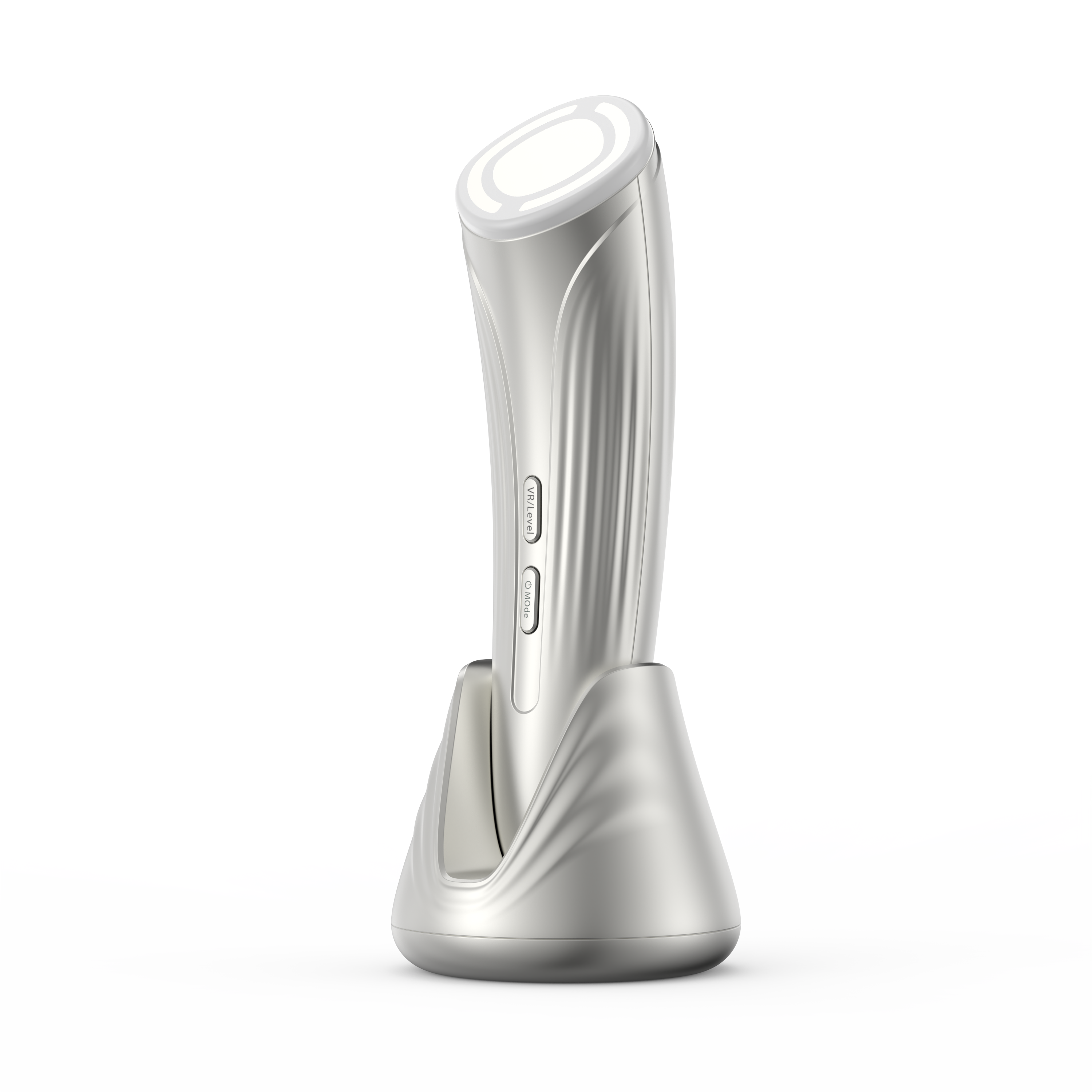
Collagen induction has become a useful organizing idea in modern skin care technology because it shifts attention away from instant-looking change and toward the structures that influence how skin looks and feels over time. For a brand team developing a home device, that distinction matters. Good skin care is not about promising that a tool can rebuild the skin overnight. It is about designing a comfortable, well-explained experience that supports a consistent routine and communicates realistic expectations.
As an OEM/ODM development team, we see that consumers increasingly ask a better question than “What gives the fastest glow?” They ask whether a skin care routine can support firmness, texture, and resilience without becoming complicated or intimidating. Collagen is central to that conversation, but it needs careful explanation.
Collagen is a structural protein in the dermis, the deeper layer that contributes to skin’s supportive framework. With intrinsic aging and cumulative environmental exposure, this framework can change. That is one reason modern skin care discussions often focus on the appearance of fine lines, uneven texture, and reduced bounce rather than on a single surface-level concern.
“Collagen induction” is shorthand for encouraging biological processes associated with repair and remodeling. In professional dermatology, controlled procedures such as microneedling are studied for their ability to create a wound-healing response that can lead to gradual collagen remodeling. That evidence does not mean every home skin care device creates the same response or should make the same claim. The useful lesson is the timeline: structural change, when it occurs, is gradual, and responsible skin care communication should be gradual too.
For everyday users, the practical objective is better framed as supporting healthy-looking skin over time. A well-built skin care routine can prioritize comfort, barrier awareness, sun protection, and habits that a person can keep. Those foundations make more sense than chasing a dramatic result after a few uses.
Many older beauty narratives centered on an immediate sensation: warmth, cooling, massage, or a temporary plumped appearance. These experiences can be pleasant, but modern skin care technology is judged by a wider set of questions. Is the device intuitive? Can the user follow the recommended frequency? Does it fit with topical skin care without creating unnecessary irritation? Are the claims specific enough to be credible?
This is why collagen-related goals have influence. They give product developers a way to speak about long-term routine value rather than a one-session transformation. Depending on the technology, a home device may be designed to complement cleansing, topical application, relaxation, or a consistent self-care ritual. Its role should be described precisely. It is not a replacement for a medical procedure, a dermatologist’s assessment, sunscreen, or a basic skin care routine.
That precision protects users and brands. When product language leaps from “supports a routine” to “builds collagen,” it can overstate what has been demonstrated for a specific device. The better approach is to explain the intended user experience, the tested use protocol, and the limits of the claim.
A common mistake is to treat a device as the whole routine. In practice, collagen-support goals belong inside a system. Daily UV exposure can contribute to visible photoaging, so consistent sun protection remains a practical part of skin care. Topical ingredients may also have a role, but tolerance, formulation, and individual skin needs matter. Device use should fit around these basics rather than compete with them.
For example, a person with reactive skin may value a gentler schedule and clear stop-use guidance more than an aggressive protocol. Someone using active topical products may need to separate steps or reduce frequency. This is not a weakness in skin care technology; it is realistic product education. A device earns trust when it helps people use it appropriately, not when it suggests that more intensity is inherently preferable.
For brands, collagen induction is not only a marketing theme; it is a substantiation discipline. An OEM/ODM partner can help translate a concept into product specifications, usability considerations, packaging language, and documentation. Yet the claim must match the actual technology, testing, target market, and regulatory pathway. A strong skin care launch does not borrow clinical wording from a different category or imply outcomes that have not been validated.
Useful questions during development include: What exactly does the device do? Which user-visible benefit is supported by testing? What instructions keep use conservative and repeatable? How will the brand distinguish cosmetic routine support from medical treatment? Asking these questions early helps skin care brands avoid vague claims and create more dependable consumer education.
At BEPERFECT, OEM and ODM development can connect functional design, appearance customization, and packaging planning for home beauty-device brands. The most credible brief is usually not “make a collagen miracle.” It is “create a safe, understandable skin care experience with a defensible role in a long-term routine.”
Collagen-related change is not a sensible promise for a weekend. Professional research on controlled collagen-induction procedures discusses remodeling over months, which is a reminder that visible results and individual response vary. Home skin care devices should therefore be positioned around consistent use, comfort, and realistic cosmetic benefits that are supported for the specific product.
Consumers should also know when to seek professional advice. Persistent irritation, unexplained changes in the skin, active inflammatory conditions, or uncertainty about combining a device with prescription products deserve a qualified clinician’s input. Thoughtful skin care guidance does not make a device less appealing; it makes the brand more trustworthy.
Collagen induction is the goal of modern skin care technology because it represents a move from quick cosmetic theater to long-term skin-support thinking. The goal is not to promise that every device can produce clinical remodeling. It is to design products and routines that respect skin biology, support consistent habits, and communicate clearly about what is known, what is possible, and what requires professional care. That is the standard modern skin care technology should aim for.

2026/10/30
Discover why in-house mold development helps an RF beauty device manufacturer improve product consistency, iteration speed, tooling control, and production readiness.

2026/10/30
Learn how to verify an RF beauty device manufacturer's R&D and prototyping capabilities using practical engineering workflows and audit checklists.

2026/10/30
Learn what shapes MOQ when choosing an RF beauty device manufacturer and how to plan a lower-risk first order with balanced platform and customization.

2026/10/30
Use this RF beauty device manufacturer evaluation checklist to compare safety evidence, OEM and ODM capability, quality control, and launch readiness.

2026/10/30
See how technology makes beauty at home more guided, consistent, and informed—plus a practical checklist for choosing devices wisely.

2026/10/30
Explore how AI and smart devices shape the future of beauty with responsive routines, clear guidance, trustworthy design, and user-controlled care.

Ideal for daily facial care routines, providing easy-to-use beauty solutions at home.

Perfect for spas and salons’ frequent treatments, enhancing client experiences and results.

Supports dermatologists with advanced devices for professional skin therapy sessions.

Delivers innovative solutions for full-body massage and relaxation with home devices.

Features anti-aging technologies to help reduce wrinkles and stimulate skin vitality.

Specialized devices for safe and effective hair removal suitable for home or clinic use.

Our customers love the Perfect Idea beauty devices. Quality, packaging, and results are all outstanding. We saw increased repeat sales after adding their facial cleansers to our lineup. Their support team is responsive and reliable.

Perfect Idea brings innovation and reliability to home beauty appliances. Our collaboration introduced their massage tools to Japanese women, boosting customer satisfaction and growing our brand trust across the region.

We partnered with Shenzhen Perfect Idea Tech for their beauty equipment. The shipping was fast and every product matched our expectations. Their home-use massagers are especially popular with local salons and home users.

The stylish packaging and attractive design make Perfect Idea stand out. French consumers appreciate the easy instructions and visible results. Communication was efficient and orders always arrived on time.

Perfect Idea home use personal care devices have become a favorite with our clients. The beauty device line offers quality at a reasonable price, and technical training for our staff made onboarding easy.

We selected Perfect Idea for our beauty product portfolio and have seen very positive feedback from our customers. Products are easy to market online and the customer support is reliable and helpful.
