 EN
Home Skincare
Ideal for daily facial care routines, providing easy-to-use beauty solutions at home.

2026/09/22
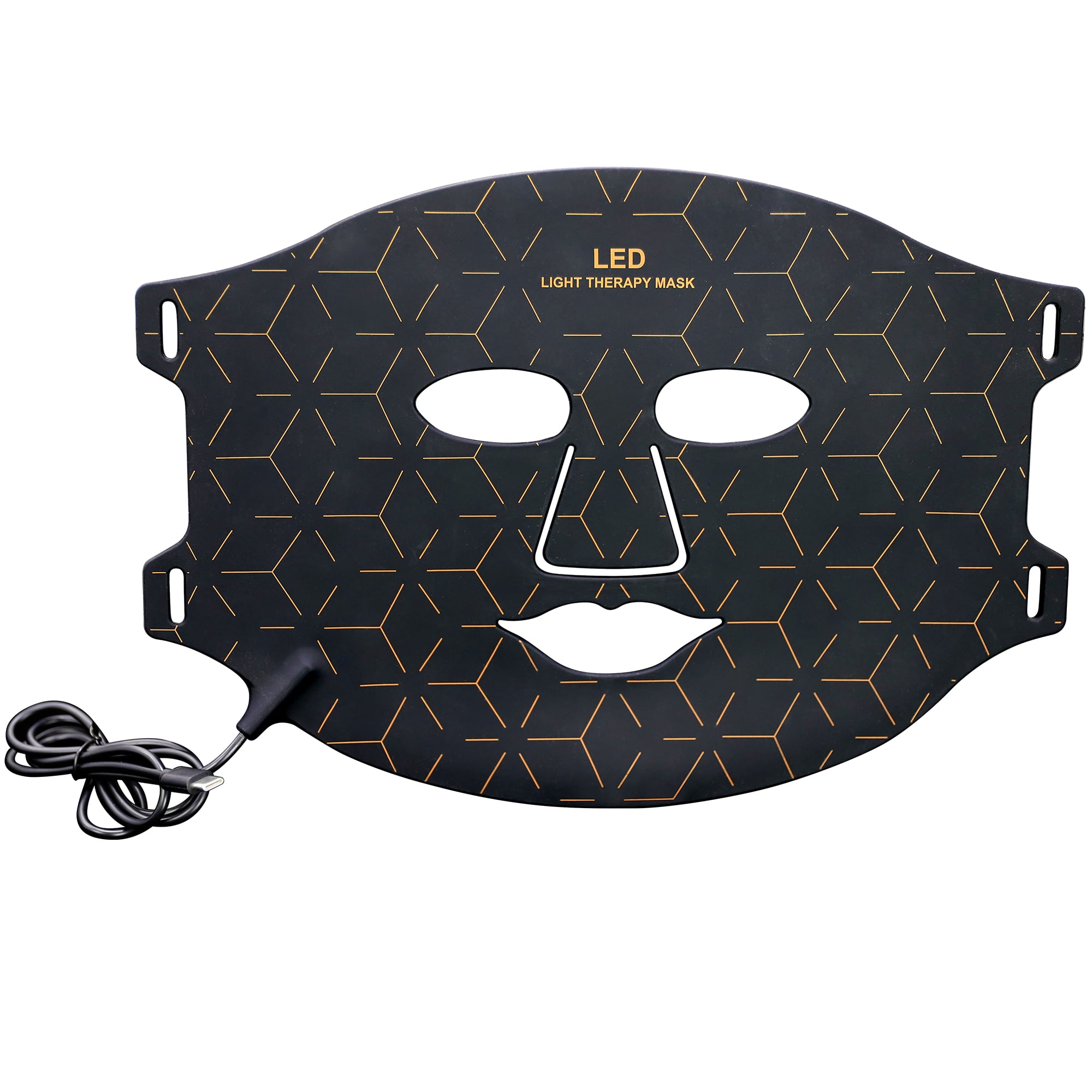
A beauty device can look sophisticated because it has a long feature list, and a well-planned beauty device should also explain how each mode fits a real routine, but light therapy deserves a more practical question: what does each light setting help the user do? Multi-spectrum LED therapy matters because skincare goals are rarely one-dimensional. For a beauty device, that distinction guides both mode design and user education. A routine may need support for the look of blemish-prone skin at one time and a more even, refreshed-looking appearance at another. A device designed around more than one relevant spectrum gives brands a clearer way to match a treatment mode to that changing context.
As a beauty-device technical adviser, I would not judge the feature by the number of colors alone. The useful question is whether the wavelengths, treatment controls, comfort features, and instructions form a system that a person can use consistently and safely. Multi-spectrum design is not a promise of a medical outcome; it is a framework for offering distinct, understandable modes within one home-care routine.
People do not buy a beauty device for a laboratory specification. They buy it because their routine has a visible concern, a time limit, and a tolerance for extra steps. A single-spectrum LED format can be a sensible focused option, but a beauty device with only one mode may not fit changing routine priorities. Yet it may leave a brand with a narrow story when its customers want to alternate between different skincare priorities rather than buy several devices.
That is where a multi-spectrum LED beauty device can be more purposeful. It can separate modes instead of presenting every concern as if it responds to the same light exposure. This distinction also helps product teams write clearer education: users should know what the selected mode is intended to support, how long to use it, and when to pause rather than assume that more exposure is better.
Multi-spectrum does not simply mean decorative colored LEDs. In a well-considered beauty device, it means the product has deliberately selected light ranges and a controllable delivery plan. Red and near-infrared approaches are commonly discussed in photobiomodulation research for skin-related applications, while blue-light approaches are often discussed separately in conversations around blemish-prone skin. Those research areas have different protocols and limitations, so a credible device should not blur them into one universal claim.
For buyers, the useful design question is not “How many colors?” but “Which spectra are included, what mode activates them, and what user need does that mode address?” A mode label, a timer, and straightforward instructions can be more valuable than a crowded color chart. This is the shift from feature stacking to scenario-focused design: a capability is only useful if a customer can understand and repeat it.
Red and near-infrared light are often grouped in discussions of non-invasive photobiomodulation. Research interest includes how specific wavelengths and treatment protocols may interact with skin processes. For a home beauty device, the responsible message is modest: these modes may be positioned as part of a consistent skincare routine aimed at maintaining a healthy-looking, revitalized appearance. They are not a substitute for diagnosis, treatment, and they cannot predict an individual’s skin response.
That boundary improves the product. A user who understands that results depend on regular, appropriate use of a beauty device is less likely to overuse a device or abandon it after one session. If the skin is irritated, unusually sensitive, or under clinical care, the instructions should direct the user to pause and seek appropriate professional advice.
Blue LED modes in a beauty device are usually included because some users associate them with routines for oily or blemish-prone-looking skin. However, a beauty device needs more than a blue setting to make that a responsible offering. Light output, exposure duration, eye-protection guidance, and contraindication language all matter. Recent dermatology literature also treats blue-light exposure as an area where safety considerations require care; it should not be presented as risk-free for every person.
A thoughtful multi-spectrum design therefore makes selection simple. Users should be able to choose a defined blue-light mode rather than improvise with duration or distance. Clear instructions can say who should consult a professional first, when to stop for discomfort, and why using a device exactly as directed is part of the benefit of a home routine.
Multi-spectrum LED therapy is valuable when it reduces decision friction. A beauty device should make the selected routine easy to understand rather than ask users to infer a treatment plan. Someone may want a calming evening routine one week and a targeted blemish-care routine the next. One beauty device with distinct modes can keep that routine compact, provided each mode has a clear purpose. The more useful experience is often not the device with the most functions; it is the one that people can incorporate without guessing.
It is easy to focus only on wavelengths, but a real-world beauty device also has to feel manageable. Face fit, heat management, charging, cleaning, and the number of steps before bedtime all influence whether a person keeps using it. After comparing devices, many buyers find that practical comfort and a reliable timer affect consistency more than an impressive-sounding mode list.
For an OEM or ODM program, multi-spectrum LED therapy should be treated as a product-system decision. The beauty device itself, its instructions, and its control logic must support the same clear message. The manufacturer supports home beauty-device development across function design, exterior customization, and packaging direction, which makes it possible to consider the light-therapy experience alongside the brand’s intended user journey. That does not remove the need for product-specific verification; it makes the design conversation more complete.
Multi-spectrum LED therapy can make a beauty device more relevant to a wider range of routine needs, but it should not be sold as a shortcut around good skincare habits or medical advice. Consumer health guidance and research discussions repeatedly point to the importance of realistic expectations: evidence, protocols, skin response, and device design all influence what a person experiences.
That is why the strongest message is not “more colors equal better results.” It is “the right mode, used as directed, for a clearly defined routine purpose.” A multi-spectrum beauty device earns its place when it helps users make that choice with confidence.
Your beauty device needs multi-spectrum LED therapy when the goal is to support more than one carefully defined skincare routine without making the user’s decisions harder. Red, near-infrared, and blue-oriented modes should be designed as distinct, well-explained options with sensible controls and safety guidance. For brands, that creates a more credible product story. For users, it creates a clearer path to consistent home care.

2026/10/30
Discover why in-house mold development helps an RF beauty device manufacturer improve product consistency, iteration speed, tooling control, and production readiness.

2026/10/30
Learn how to verify an RF beauty device manufacturer's R&D and prototyping capabilities using practical engineering workflows and audit checklists.

2026/10/30
Learn what shapes MOQ when choosing an RF beauty device manufacturer and how to plan a lower-risk first order with balanced platform and customization.

2026/10/30
Use this RF beauty device manufacturer evaluation checklist to compare safety evidence, OEM and ODM capability, quality control, and launch readiness.

2026/10/30
See how technology makes beauty at home more guided, consistent, and informed—plus a practical checklist for choosing devices wisely.

2026/10/30
Explore how AI and smart devices shape the future of beauty with responsive routines, clear guidance, trustworthy design, and user-controlled care.

Ideal for daily facial care routines, providing easy-to-use beauty solutions at home.

Perfect for spas and salons’ frequent treatments, enhancing client experiences and results.

Supports dermatologists with advanced devices for professional skin therapy sessions.

Delivers innovative solutions for full-body massage and relaxation with home devices.

Features anti-aging technologies to help reduce wrinkles and stimulate skin vitality.

Specialized devices for safe and effective hair removal suitable for home or clinic use.

Our customers love the Perfect Idea beauty devices. Quality, packaging, and results are all outstanding. We saw increased repeat sales after adding their facial cleansers to our lineup. Their support team is responsive and reliable.

Perfect Idea brings innovation and reliability to home beauty appliances. Our collaboration introduced their massage tools to Japanese women, boosting customer satisfaction and growing our brand trust across the region.

We partnered with Shenzhen Perfect Idea Tech for their beauty equipment. The shipping was fast and every product matched our expectations. Their home-use massagers are especially popular with local salons and home users.

The stylish packaging and attractive design make Perfect Idea stand out. French consumers appreciate the easy instructions and visible results. Communication was efficient and orders always arrived on time.

Perfect Idea home use personal care devices have become a favorite with our clients. The beauty device line offers quality at a reasonable price, and technical training for our staff made onboarding easy.

We selected Perfect Idea for our beauty product portfolio and have seen very positive feedback from our customers. Products are easy to market online and the customer support is reliable and helpful.
