 EN
Home Skincare
Ideal for daily facial care routines, providing easy-to-use beauty solutions at home.

2026/10/06
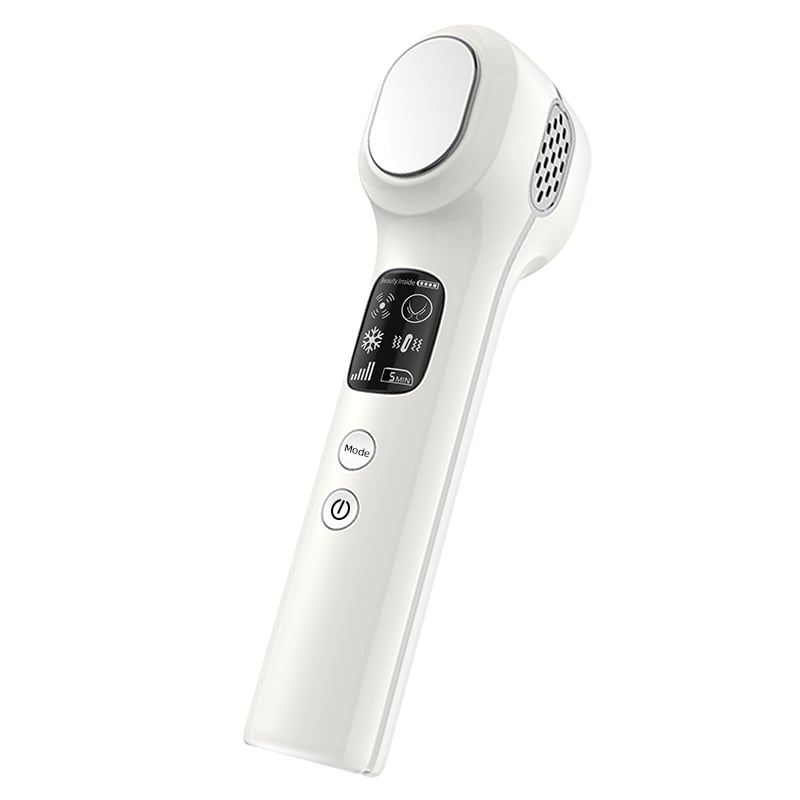
Good face care is not one task. It works best as a sequence: remove the day’s residue, keep skin comfortable, then use targeted tools with realistic expectations. That is why cleansing and lifting technologies belong in the same face care conversation, even though they do very different jobs. Cleansing helps create a fresh, usable surface. Lifting-oriented technologies are designed to complement a routine through cosmetic facial stimulation or massage-style care. One does not replace the other.
For brands developing home beauty devices, the distinction matters. Consumers often see a long feature list and assume every feature produces the same kind of result. In practice, each function needs a clear place in the routine, a safe-use explanation, and an achievable promise.
Cleansing has a straightforward job: removing makeup, sunscreen, excess oil, sweat, and everyday debris. A clean surface can make the next steps in face care feel more comfortable and more consistent. It also gives users a simple ritual they can repeat without turning the routine into a complicated project.
Gentle cleansing is especially important because “more intense” is not automatically better. Scrubbing too hard, using a harsh cleanser, or repeatedly passing a device over irritated skin can leave the skin feeling tight or reactive. The useful goal of cleansing technology is therefore not to strip the skin. It is to support a controlled, pleasant face care step that fits the user’s skin type and chosen cleanser.
From a product-development viewpoint, this means the cleansing mode should be easy to explain: what it does, when to use it, what products to pair with it, and when to pause. Clear instructions are part of responsible face care, particularly for first-time device users or people who describe their skin as sensitive.
Lifting technologies are generally positioned around the look and feel of facial contour, tone, or a refreshed appearance. Depending on the device concept, they may use cosmetic facial stimulation, massage, warmth, cooling, or other non-invasive approaches. These functions are not a substitute for cleansing because they do not remove the material that has accumulated on the skin during the day.
Conversely, cleansing alone does not address why someone may want a sculpting or massage-oriented face care step. The two functions answer different user questions: “How do I begin with a clean, comfortable face?” and “How can I add a focused at-home ritual for my appearance?” Putting them together makes the face care journey more coherent.
One practical point is easy to miss: a lifting function should not be framed as an overnight transformation. Cosmetic-device results depend on the technology, correct technique, suitable skincare, and consistent use. A credible face care message emphasizes temporary cosmetic benefits and user experience rather than promising medical treatment or permanent change.
A workable face care sequence is simple. Begin by cleansing according to the product instructions. Pat the skin dry or prepare it as the treatment protocol requires. If a lifting-oriented device requires a compatible conductive or glide medium, use only a product and amount that the instructions permit. Then use the device with light pressure, a controlled pace, and the recommended duration.
This order does not make a device more powerful by itself. It helps create repeatable conditions. For consumers, repeatability makes face care easier to maintain. For brands, it makes education less confusing because the product is presented as part of a routine rather than as a stand-alone miracle.
People shopping for a home beauty device often compare feature counts. Yet a thoughtful face care concept is more valuable when its functions work together naturally. A cleansing feature can support the beginning of the ritual; a lifting-oriented feature can support a later, more deliberate step. Controls, treatment heads, materials, and instructions should make that transition intuitive.
Safety communication matters just as much. Users should follow contraindications and instructions, avoid use on compromised or unusually irritated skin, and seek professional guidance for individual concerns. Brands should avoid presenting cosmetic face care technology as a diagnosis, treatment, or cure. This approach builds trust and gives users a clearer reason to use the device properly.
For international brands, combining cleansing and lifting technologies is not simply a matter of adding modes. It requires a routine-first design brief. The team should define the intended cosmetic use, the sequence of use, the skin-contact materials, cleaning and maintenance needs, and the labeling appropriate for intended markets. A device intended for facial stimulation, for example, needs claims, instructions, and safety information that stay aligned with its actual intended use.
At BEPERFECT, Shenzhen Perfect Idea Tech. Co., Ltd., OEM/ODM discussions can focus on how functions, industrial design, packaging, and instructions support a differentiated home beauty-device concept. The right answer will vary by target user and market. A concise, well-explained face care routine is often more useful than a crowded feature list that customers cannot confidently use.
Cleansing and lifting technologies belong together because they serve different parts of a complete face care ritual. Cleansing prepares and refreshes. Lifting-oriented technology adds a focused cosmetic treatment experience. When the sequence, claims, and instructions are aligned, users can understand what each step is for—and brands can offer a more credible, comfortable, and usable face care device experience.

2026/10/30
Discover why in-house mold development helps an RF beauty device manufacturer improve product consistency, iteration speed, tooling control, and production readiness.

2026/10/30
Learn how to verify an RF beauty device manufacturer's R&D and prototyping capabilities using practical engineering workflows and audit checklists.

2026/10/30
Learn what shapes MOQ when choosing an RF beauty device manufacturer and how to plan a lower-risk first order with balanced platform and customization.

2026/10/30
Use this RF beauty device manufacturer evaluation checklist to compare safety evidence, OEM and ODM capability, quality control, and launch readiness.

2026/10/30
See how technology makes beauty at home more guided, consistent, and informed—plus a practical checklist for choosing devices wisely.

2026/10/30
Explore how AI and smart devices shape the future of beauty with responsive routines, clear guidance, trustworthy design, and user-controlled care.

Ideal for daily facial care routines, providing easy-to-use beauty solutions at home.

Perfect for spas and salons’ frequent treatments, enhancing client experiences and results.

Supports dermatologists with advanced devices for professional skin therapy sessions.

Delivers innovative solutions for full-body massage and relaxation with home devices.

Features anti-aging technologies to help reduce wrinkles and stimulate skin vitality.

Specialized devices for safe and effective hair removal suitable for home or clinic use.

Our customers love the Perfect Idea beauty devices. Quality, packaging, and results are all outstanding. We saw increased repeat sales after adding their facial cleansers to our lineup. Their support team is responsive and reliable.

Perfect Idea brings innovation and reliability to home beauty appliances. Our collaboration introduced their massage tools to Japanese women, boosting customer satisfaction and growing our brand trust across the region.

We partnered with Shenzhen Perfect Idea Tech for their beauty equipment. The shipping was fast and every product matched our expectations. Their home-use massagers are especially popular with local salons and home users.

The stylish packaging and attractive design make Perfect Idea stand out. French consumers appreciate the easy instructions and visible results. Communication was efficient and orders always arrived on time.

Perfect Idea home use personal care devices have become a favorite with our clients. The beauty device line offers quality at a reasonable price, and technical training for our staff made onboarding easy.

We selected Perfect Idea for our beauty product portfolio and have seen very positive feedback from our customers. Products are easy to market online and the customer support is reliable and helpful.
