 EN
Home Skincare
Ideal for daily facial care routines, providing easy-to-use beauty solutions at home.

2026/10/17
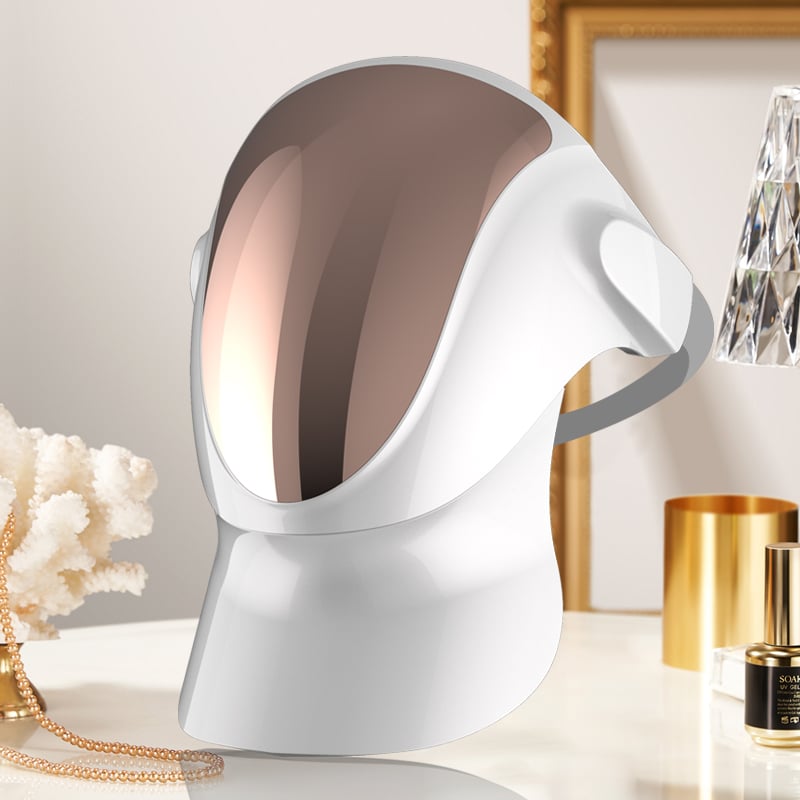
An LED face mask uses more than one light color because light is not a universal skin-care setting. Each color represents a different wavelength, and wavelengths interact with skin and surface-level bacteria differently. In practical terms, a person concerned about recurring breakouts may look for a different mode than someone whose main goal is supporting the appearance of smoother, more even-looking skin. A multi-color face mask is meant to give those concerns separate, more relevant treatment options rather than asking one setting to do everything.
From a skin-management perspective, the useful question is not “How many colors does this face mask have?” It is “Which wavelengths does it deliver, at what dose, and for which realistic goal?” Color labels can make a device seem simple, but wavelength, irradiance, treatment time, fit, eye protection, and consistent use all affect the experience. LED care is also supportive skin care, not a substitute for diagnosis or medical treatment.
The phrase face mask has broad search intent. It can mean a clay, sheet, gel, or cream mask, but an LED face mask is a device that places light-emitting diodes close to the skin. It does not rely on ingredients sitting on the surface. Instead, it delivers controlled visible and sometimes near-infrared light for a timed session. That difference matters when comparing claims: a topical mask is chosen mainly for its formula, while a light-based face mask should be assessed by its documented wavelengths, instructions, and safety features.
Visible light colors have different wavelengths. Shorter blue wavelengths and longer red wavelengths do not behave identically, so manufacturers may combine them to address different cosmetic or skin-care priorities. The strongest rationale for multiple colors is targeted flexibility, not the idea that every color has equal evidence or that more colors automatically mean better results.
Blue light is commonly included in a face mask for people managing mild, acne-prone skin. Research on light-based acne care suggests that blue light can interact with compounds associated with Cutibacterium acnes, the bacterium involved in acne. This is why blue modes are often positioned for visible breakouts and oily, congested-looking skin. It is not a guarantee of clearance, and results can vary with acne severity, skin sensitivity, the device’s actual output, and the rest of a person’s routine.
A combination setting can be useful here. Studies of blue-red light approaches have explored whether blue light’s acne-focused role can be paired with the more deeply penetrating red-light range. Still, a home face mask should not be presented as a cure for cystic, painful, scarring, or persistent acne. Those situations deserve advice from a qualified dermatologist.
Red light is generally used in a face mask designed to support a healthier-looking complexion, including the appearance of fine lines, uneven texture, and temporary redness. It reaches deeper than blue light and is studied for photobiomodulation-related effects in skin. Many users choose a red setting when their priority is gradual cosmetic improvement rather than active breakouts.
Expectation setting matters. A red-light face mask may be a useful addition to a consistent routine, but it cannot replace sunscreen, gentle cleansing, moisturization, prescription care when needed, or professional procedures. Claims such as “erases wrinkles” or “rebuilds skin overnight” are not responsible ways to describe a light device.
Near-infrared is not a visible color, yet it is frequently paired with red LEDs in a face mask. It has a longer wavelength than visible red light and is often included in devices intended to support deeper tissue interaction. Consumers may see it listed as NIR, infrared, or near-infrared. Because it is invisible, its presence should be verified in the device specifications rather than assumed from a red-looking mode.
Some multi-color face mask designs include amber, yellow, green, or purple modes. These can broaden the menu of settings, but color names alone do not establish a clinical benefit. The evidence base and intended use are not equally mature for every color. A careful buyer should ask for the actual wavelength range, treatment protocol, and any device-specific substantiation instead of treating seven colors as seven proven solutions.
Skin concerns often overlap. Someone can have blemishes and post-breakout marks, or feel concerned about both congestion and the look of early fine lines. A combined blue-and-red program gives a face mask a way to address more than one cosmetic priority in the same routine. That does not mean every concern needs every wavelength. A good routine is usually simpler: select the mode aligned with the main concern, follow the specified schedule, and reassess after a consistent period of use.
| Main concern | Commonly considered setting | Practical reminder |
|---|---|---|
| Mild acne-prone or congested-looking skin | Blue, or blue plus red | Keep the routine gentle; seek clinical care for severe or painful acne. |
| Fine lines, dull-looking texture, or uneven-looking tone | Red, sometimes with near-infrared | Think gradual support, not an instant transformation. |
| Several mild concerns | A documented combination program | Use only the modes and schedule provided by the manufacturer. |
| Reactive skin, photosensitivity, or a medical condition | Pause before use | Ask a dermatologist or clinician whether light therapy is appropriate. |
Start with clean, dry skin unless the device instructions say otherwise. Do not extend a session just because more time seems better; light dose is a balance, and exceeding instructions may increase irritation without improving outcomes. Stop if you experience discomfort or an unexpected reaction. People who use photosensitizing medicines, have a history of light sensitivity, are managing a skin condition, or are uncertain about eye safety should check with a clinician before using an LED face mask.
Finally, judge a face mask by its complete design rather than its color count. The most meaningful multi-color approach pairs wavelengths with a clear purpose, a defined protocol, and sensible safeguards. When those pieces are in place, different light options can help users tailor a routine to their visible skin concerns without turning a beauty device into a promise it cannot keep.

2026/10/30
Discover why in-house mold development helps an RF beauty device manufacturer improve product consistency, iteration speed, tooling control, and production readiness.

2026/10/30
Learn how to verify an RF beauty device manufacturer's R&D and prototyping capabilities using practical engineering workflows and audit checklists.

2026/10/30
Learn what shapes MOQ when choosing an RF beauty device manufacturer and how to plan a lower-risk first order with balanced platform and customization.

2026/10/30
Use this RF beauty device manufacturer evaluation checklist to compare safety evidence, OEM and ODM capability, quality control, and launch readiness.

2026/10/30
See how technology makes beauty at home more guided, consistent, and informed—plus a practical checklist for choosing devices wisely.

2026/10/30
Explore how AI and smart devices shape the future of beauty with responsive routines, clear guidance, trustworthy design, and user-controlled care.

Ideal for daily facial care routines, providing easy-to-use beauty solutions at home.

Perfect for spas and salons’ frequent treatments, enhancing client experiences and results.

Supports dermatologists with advanced devices for professional skin therapy sessions.

Delivers innovative solutions for full-body massage and relaxation with home devices.

Features anti-aging technologies to help reduce wrinkles and stimulate skin vitality.

Specialized devices for safe and effective hair removal suitable for home or clinic use.

Our customers love the Perfect Idea beauty devices. Quality, packaging, and results are all outstanding. We saw increased repeat sales after adding their facial cleansers to our lineup. Their support team is responsive and reliable.

Perfect Idea brings innovation and reliability to home beauty appliances. Our collaboration introduced their massage tools to Japanese women, boosting customer satisfaction and growing our brand trust across the region.

We partnered with Shenzhen Perfect Idea Tech for their beauty equipment. The shipping was fast and every product matched our expectations. Their home-use massagers are especially popular with local salons and home users.

The stylish packaging and attractive design make Perfect Idea stand out. French consumers appreciate the easy instructions and visible results. Communication was efficient and orders always arrived on time.

Perfect Idea home use personal care devices have become a favorite with our clients. The beauty device line offers quality at a reasonable price, and technical training for our staff made onboarding easy.

We selected Perfect Idea for our beauty product portfolio and have seen very positive feedback from our customers. Products are easy to market online and the customer support is reliable and helpful.
