 EN
Home Skincare
Ideal for daily facial care routines, providing easy-to-use beauty solutions at home.

2026/10/09
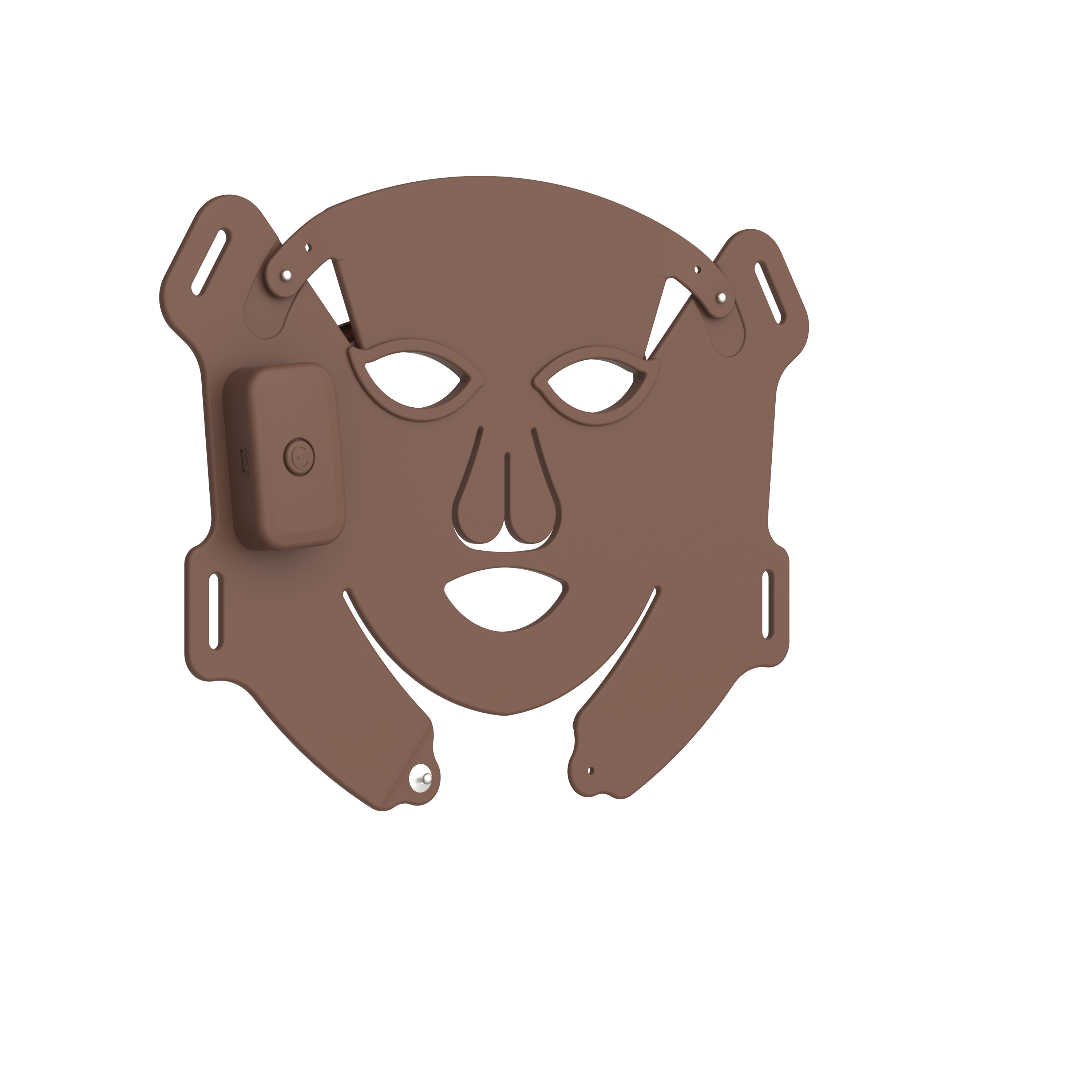
When fine lines or dullness begin to feel more noticeable, it is tempting to look for one product that will solve everything. In practice, a LED face device and an anti-aging cream do different jobs. One delivers controlled light to the skin; the other places ingredients on the skin. Neither is automatically the better choice for every routine. The useful question is whether a LED face treatment addresses a need that your current cream cannot—and whether you can use it consistently and safely.
From a skin-management perspective, the answer is often about building a realistic routine rather than replacing one category with another. Creams remain valuable for moisture, barrier support, and ingredients such as retinoids or antioxidants. A LED face device may be worth considering when you want a non-invasive, device-based step that complements a topical routine and you are prepared to follow the manufacturer’s instructions.
Traditional anti-aging creams work at the surface and within the upper layers of skin through their formula. A moisturizer can reduce the look of dehydration lines by supporting hydration. A retinoid may be recommended for certain signs of photoaging, although tolerance varies. Results depend on the active ingredients, formulation, application, sun protection habits, and regular use.
A LED face device uses light-emitting diodes rather than a topical formula. Red and near-infrared light are commonly discussed in photobiomodulation research. They are not the same as UV exposure, and they do not exfoliate the skin. Research and dermatology guidance suggest that red-light therapy can be helpful for concerns such as the appearance of fine lines, but it should not be framed as a miracle fix. The protocol, device, skin concern, and consistency all matter.
That distinction is important: a LED face session is not a substitute for sunscreen, cleansing, or a prescribed topical treatment. It is an additional modality. A LED face session should be judged by its role in a full routine, not by a promise to replace every cream. If you prefer a simple routine or have no interest in maintaining a device schedule, a well-chosen cream may be the more practical starting point.
The appeal of a LED face treatment is that it can provide a repeatable light-based step without injections, abrasion, or downtime. For someone who already uses a basic cream but wants to address the gradual look of fine lines, uneven tone, or loss of radiance, that can be a meaningful distinction. A LED face device is still a routine commitment, not a shortcut. The goal is generally incremental, not overnight change.
However, “more technology” is not automatically “more effective.” The most expensive device is not necessarily a better fit if its shape is uncomfortable, its controls are confusing, or its schedule is unrealistic. After comparing similar options, many people find that comfort and ease of use have more influence on consistency than an impressive-looking feature list.
Anti-aging creams have clear strengths. They are easy to add after cleansing, usually cost less upfront than a device, and can address needs that light does not replace. A bland moisturizer can support a dry or compromised barrier. Daily broad-spectrum sunscreen is essential for limiting additional photoaging. Targeted topicals may be appropriate when a clinician recommends them.
Choose creams first—or keep the routine deliberately simple—when your skin is currently irritated, flaky, reacting to new products, or you do not have the time to maintain a LED face schedule. A LED face device is not a reason to push through discomfort from active ingredients, and it is not intended to promise that sun damage or deeper wrinkles will disappear.
Think of it this way: creams often manage the conditions around the skin, while a LED face device is designed to add a separate light-based input. The two categories have overlap in the goals they support, but they are not interchangeable tools.
Before buying a LED face device, ask a few practical questions rather than relying on dramatic before-and-after claims. A thoughtful LED face comparison makes the eventual routine easier to sustain.
A responsible LED face routine begins with clean, dry skin unless the device directions say otherwise. Follow the prescribed timing; longer is not necessarily better. The LED face instructions should guide both session length and frequency. Use the included eye protection or the device’s required safety features, and stop if you experience an unexpected reaction. If your skin barrier is unsettled, pausing new steps for a week or two can be more sensible than trying to power through.
It also helps to evaluate progress slowly. Take note of comfort, adherence, and overall skin appearance over the recommended period instead of checking for a dramatic daily change. This avoids the common mistake of abandoning a LED face routine after only a few sessions or, in the other direction, overusing it because expectations were too high. A LED face routine works only when its use remains comfortable and practical.
For most people, choosing a LED face device over traditional creams does not have to be an either-or decision. A LED face approach is most useful when it fits a responsible routine. A cream can keep the skin comfortable and support the goals of a routine; sunscreen helps prevent further visible photoaging; and a LED face device can offer a non-invasive, light-based addition for people who value that approach.
If you are evaluating a LED face product for a brand or retail range, prioritize clear directions, user comfort, credible compliance documentation, and a design that people can use regularly. The manufacturer develops home beauty devices for OEM and ODM programs, so buyers can assess product configuration and brand positioning with their own target-market requirements in mind. The right choice is the one that fits a responsible routine, sets honest expectations, and gives users a reason to stay consistent.

2026/10/30
Discover why in-house mold development helps an RF beauty device manufacturer improve product consistency, iteration speed, tooling control, and production readiness.

2026/10/30
Learn how to verify an RF beauty device manufacturer's R&D and prototyping capabilities using practical engineering workflows and audit checklists.

2026/10/30
Learn what shapes MOQ when choosing an RF beauty device manufacturer and how to plan a lower-risk first order with balanced platform and customization.

2026/10/30
Use this RF beauty device manufacturer evaluation checklist to compare safety evidence, OEM and ODM capability, quality control, and launch readiness.

2026/10/30
See how technology makes beauty at home more guided, consistent, and informed—plus a practical checklist for choosing devices wisely.

2026/10/30
Explore how AI and smart devices shape the future of beauty with responsive routines, clear guidance, trustworthy design, and user-controlled care.

Ideal for daily facial care routines, providing easy-to-use beauty solutions at home.

Perfect for spas and salons’ frequent treatments, enhancing client experiences and results.

Supports dermatologists with advanced devices for professional skin therapy sessions.

Delivers innovative solutions for full-body massage and relaxation with home devices.

Features anti-aging technologies to help reduce wrinkles and stimulate skin vitality.

Specialized devices for safe and effective hair removal suitable for home or clinic use.

Our customers love the Perfect Idea beauty devices. Quality, packaging, and results are all outstanding. We saw increased repeat sales after adding their facial cleansers to our lineup. Their support team is responsive and reliable.

Perfect Idea brings innovation and reliability to home beauty appliances. Our collaboration introduced their massage tools to Japanese women, boosting customer satisfaction and growing our brand trust across the region.

We partnered with Shenzhen Perfect Idea Tech for their beauty equipment. The shipping was fast and every product matched our expectations. Their home-use massagers are especially popular with local salons and home users.

The stylish packaging and attractive design make Perfect Idea stand out. French consumers appreciate the easy instructions and visible results. Communication was efficient and orders always arrived on time.

Perfect Idea home use personal care devices have become a favorite with our clients. The beauty device line offers quality at a reasonable price, and technical training for our staff made onboarding easy.

We selected Perfect Idea for our beauty product portfolio and have seen very positive feedback from our customers. Products are easy to market online and the customer support is reliable and helpful.
