 EN
Home Skincare
Ideal for daily facial care routines, providing easy-to-use beauty solutions at home.

2026/10/07
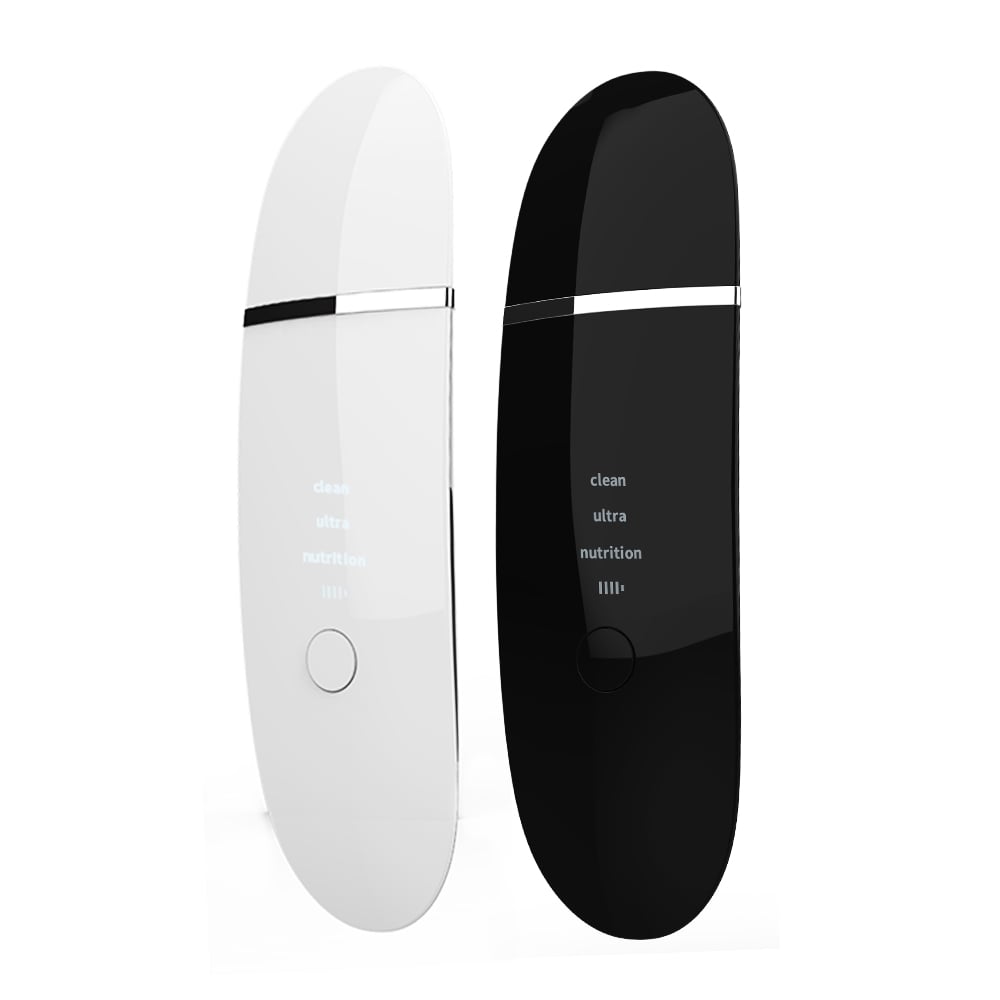
Multi-functional beauty tools are gaining attention because they can make an increasingly complicated skincare routine more manageable. For consumers, one device that supports more than one routine can save counter space, simplify travel, and make regular at-home care easier to keep up. For brands, the appeal is broader: well-designed beauty tools can create a clearer product story, support a higher-value position, and give customers more reasons to keep using the device after the first few weeks.
From an OEM/ODM product-development perspective, this is not a race to add modes. The global shift toward multifunctional devices reflects consumer behavior, retail economics, technology availability, and growing expectations around safe home use. Understanding those drivers helps brands decide where integration helps and where it only makes a product harder to explain.
Many customers now build skincare habits around time rather than a single treatment. They may want cleansing support on one day, a light-based routine on another, and a facial-care step that fits around work or travel. Separate devices for every purpose can feel expensive, confusing, and easy to leave unused. Multi-functional beauty tools reduce that friction by bringing compatible functions into one familiar form factor.
This convenience matters in markets where at-home self-care has become part of a wider wellness routine. Search results for beauty devices commonly place LED masks, microcurrent devices, cleansing devices, and traditional accessories in the same shopping journey. That does not mean every function belongs in one product. It does mean buyers increasingly compare devices by the useful routines they support, not by one technical feature alone.
Several home-use technologies have become familiar to consumers: LED light-based care, microcurrent, ultrasound-assisted skincare routines, temperature-based care, and cleansing functions are common examples. A multi-mode design can combine complementary steps, such as light-based care with a guided routine or skincare application support with a more targeted facial-care mode. The value lies in a coherent workflow, not a crowded specification sheet.
For product teams, the key question is whether each mode has a clear role. Can users understand when to select it? Is the interface intuitive? Does the routine remain realistic enough to repeat? A device that asks for too many steps can undermine the convenience it was designed to offer. Strong beauty tools turn technical options into simple, clearly labeled use occasions.
Beauty devices are often considered more carefully than a typical skincare refill. Customers compare reviews, watch demonstrations, and ask whether they will still use the product several months after buying it. Multiple relevant functions can make the purchase feel more versatile and may reduce the perceived need to buy separate single-purpose devices.
Third-party market research also points to continued attention on the category. One search result estimated the global beauty-devices market at USD 2.49 billion in 2024 and forecast growth through 2032. Forecasts vary by methodology, so brands should validate any market figure before using it in commercial planning. The wider direction is clear: at-home devices remain a visible growth area, and consumers expect the category to deliver practical value as well as a premium experience.
Beauty routines increasingly travel through short videos, creator reviews, and comparison content. A multifunctional device gives a brand more than one demonstration angle: a morning routine, a travel routine, a weekly reset, or a feature-by-feature explanation. This can make beauty tools easier to position across different channels without changing the core product.
Demonstration value should not lead to exaggerated claims. Consumers are quick to notice when a product appears complicated, uncomfortable, or vague about results. A credible content strategy explains what a mode is for, how to use it as directed, and what results can reasonably be expected over time. Clear boundaries tend to build more trust than dramatic promises.
As devices move across regions, brands must consider the intended use, electrical safety expectations, labeling, instructions, and market-specific regulatory pathways. A mode that is simple to add from a marketing perspective may introduce additional engineering, testing, or claims-review work. This is especially important for products that use light, heat, electrical stimulation, or other energy-based functions.
For that reason, multifunctional beauty tools need disciplined product definition. Brands should match functions to their target market, work with suitable technical and regulatory advisers, and avoid presenting a general product capability as a medical outcome. Home-use guidance consistently emphasizes following instructions and selecting products with appropriate safety support for the intended market.
For brands entering this category, beauty tools planning is more reliable when commercial, engineering, and claims teams test the same customer routine together.
| Planning lens | Question for beauty tools teams |
|---|---|
| Consumer routine | Do beauty tools remove a repeatable step? |
| Function pairing | Can beauty tools combine functions without confusing users? |
| Interface | Will beauty tools make mode selection obvious? |
| Claims | Can beauty tools be described within substantiated intended use? |
| Instructions | Do beauty tools include clear care and frequency guidance? |
| Safety review | Are beauty tools assessed for each intended market? |
| Quality | Can beauty tools maintain batch-to-batch consistency? |
| Channel fit | Are beauty tools easy to demonstrate in retail content? |
| After-sales support | Can beauty tools be maintained with understandable guidance? |
| Range strategy | Do beauty tools create a distinct role in the portfolio? |
Multi-functional beauty tools are trending globally because they meet a practical need: people want efficient, understandable ways to care for their skin at home. The strongest products do not try to solve every concern in one device. Instead, they combine a small number of compatible functions, make them easy to use, and support the product with careful quality and compliance planning.
For international brands, that is the real opportunity. A thoughtful multifunctional concept can differentiate a range, streamline a consumer routine, and create room for a clearer long-term brand relationship. The work begins with product-market fit, not the longest possible list of features.

2026/10/30
Discover why in-house mold development helps an RF beauty device manufacturer improve product consistency, iteration speed, tooling control, and production readiness.

2026/10/30
Learn how to verify an RF beauty device manufacturer's R&D and prototyping capabilities using practical engineering workflows and audit checklists.

2026/10/30
Learn what shapes MOQ when choosing an RF beauty device manufacturer and how to plan a lower-risk first order with balanced platform and customization.

2026/10/30
Use this RF beauty device manufacturer evaluation checklist to compare safety evidence, OEM and ODM capability, quality control, and launch readiness.

2026/10/30
See how technology makes beauty at home more guided, consistent, and informed—plus a practical checklist for choosing devices wisely.

2026/10/30
Explore how AI and smart devices shape the future of beauty with responsive routines, clear guidance, trustworthy design, and user-controlled care.

Ideal for daily facial care routines, providing easy-to-use beauty solutions at home.

Perfect for spas and salons’ frequent treatments, enhancing client experiences and results.

Supports dermatologists with advanced devices for professional skin therapy sessions.

Delivers innovative solutions for full-body massage and relaxation with home devices.

Features anti-aging technologies to help reduce wrinkles and stimulate skin vitality.

Specialized devices for safe and effective hair removal suitable for home or clinic use.

Our customers love the Perfect Idea beauty devices. Quality, packaging, and results are all outstanding. We saw increased repeat sales after adding their facial cleansers to our lineup. Their support team is responsive and reliable.

Perfect Idea brings innovation and reliability to home beauty appliances. Our collaboration introduced their massage tools to Japanese women, boosting customer satisfaction and growing our brand trust across the region.

We partnered with Shenzhen Perfect Idea Tech for their beauty equipment. The shipping was fast and every product matched our expectations. Their home-use massagers are especially popular with local salons and home users.

The stylish packaging and attractive design make Perfect Idea stand out. French consumers appreciate the easy instructions and visible results. Communication was efficient and orders always arrived on time.

Perfect Idea home use personal care devices have become a favorite with our clients. The beauty device line offers quality at a reasonable price, and technical training for our staff made onboarding easy.

We selected Perfect Idea for our beauty product portfolio and have seen very positive feedback from our customers. Products are easy to market online and the customer support is reliable and helpful.
