 EN
Home Skincare
Ideal for daily facial care routines, providing easy-to-use beauty solutions at home.

2026/10/16
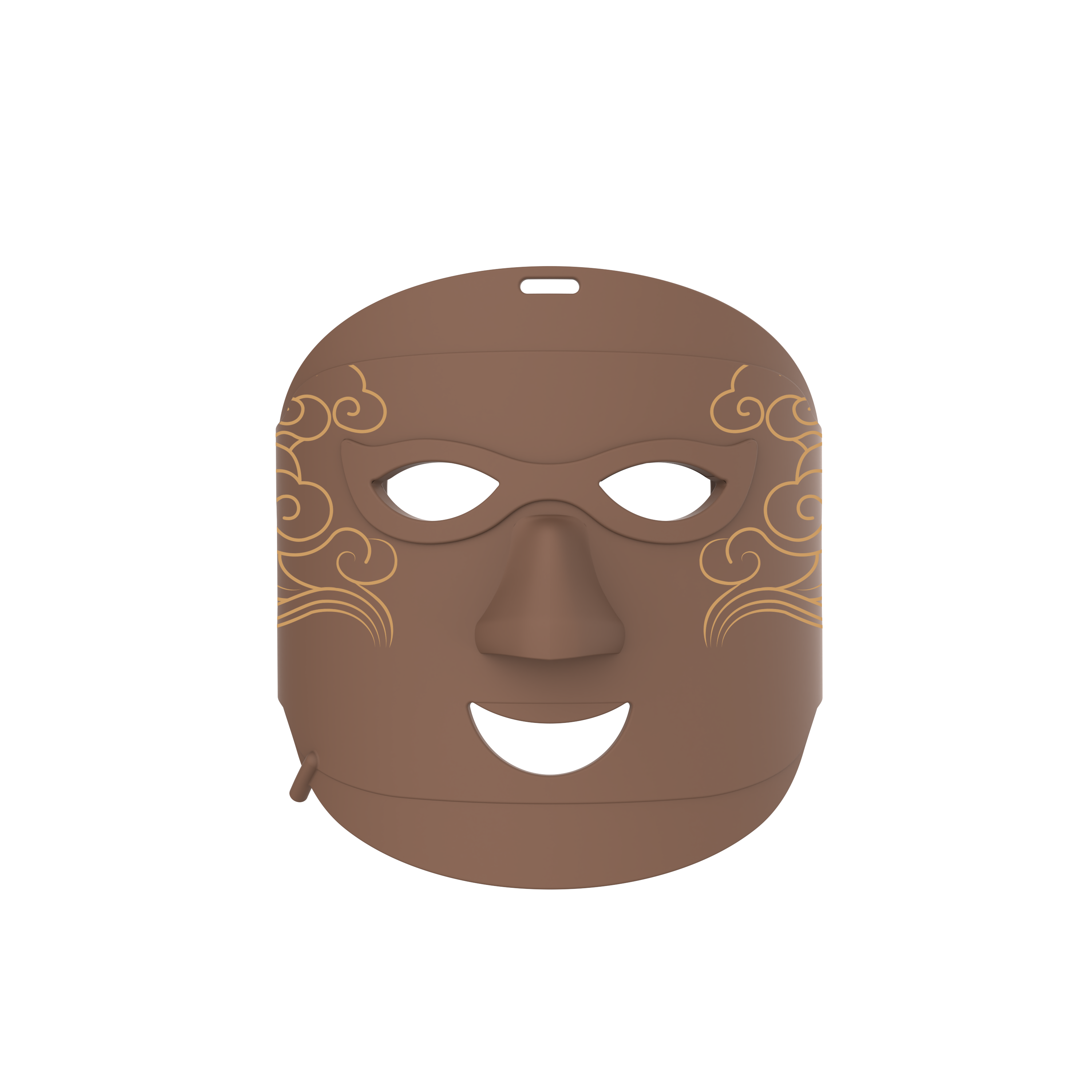
A flexible LED mask is often easier to keep on because it works with the face instead of asking the face to conform to a rigid shell. That sounds simple, but comfort during a 10- or 20-minute session depends on several small design choices: where pressure lands, how the mask moves when you breathe, how straps carry its weight, and whether light or heat becomes distracting. For anyone comparing an LED mask, those details can matter as much as the light modes listed on the box.
As a home-beauty-device technical advisor, I would not treat flexibility as a guarantee of a better treatment or an exact fit. Faces vary, and skin sensitivity, eye sensitivity, and personal tolerance vary too. Still, a well-designed flexible LED mask can make regular use feel less like wearing equipment and more like a short, manageable part of a skincare routine.
A hard-shell LED mask contacts the face at a few fixed points. If the bridge of the nose, cheekbones, or forehead does not match that geometry, the load can concentrate there. During a brief trial that may be tolerable; over a longer session, the same pressure can become the only thing a wearer notices.
A flexible LED mask, commonly made with a soft silicone-style body, can follow more of the facial contour. The material does not need to grip tightly to stay in place, so pressure may be spread across a wider area. The important word is may: a soft material that is too thin, poorly finished, or paired with a poorly placed strap can still create pressure points. Look for a LED mask that rests evenly rather than one that leaves deep marks around the nose or pulls at the temples.
Weight is not only a number on a specification sheet. Balance matters. A rigid LED mask can feel front-heavy when most of its structure sits away from the face, and the wearer may tighten the strap to stop it shifting. That turns a stability problem into a pressure problem.
Because a flexible LED mask sits closer to the skin, it can feel less bulky and can move less when a person reclines. Flexible construction also tends to make storage and travel easier, although portability is separate from comfort. The practical test is to sit, lean back, and turn your head slightly. If the LED mask stays settled without overtightening, the fit is doing useful work.
Straps are easy to overlook, yet they do much of the work in a comfortable LED mask. Multiple adjustment points can keep the mask from sliding without concentrating tension at the crown of the head or behind the ears. Recent product-testing coverage has also highlighted flexible silicone designs with multiple adjustable straps as comfort-focused options for longer sessions. That is useful context, not a reason to assume every flexible model will fit every face.
Before a full session, adjust an LED mask while seated upright. The strap should stabilize the device, not press it into the skin. Then recline as you normally would. If you immediately feel a pinch on the nose, a tug at the hairline, or a need to keep readjusting, stop and change the fit. Many people initially compare wavelengths or LED counts first; after a few uses, it is often the ability to wear the device comfortably that determines whether the routine lasts.
The lower cheeks, jawline, and sides of the nose are not flat surfaces. A flexible LED mask can accommodate small changes in contour when you smile, swallow, or shift position. That reduces the sense that an edge is digging in. This is especially relevant for people who find rigid frames uncomfortable at the cheekbones or who prefer to use a device while lying down.
Comfort should not be confused with a need for an airtight seal. An LED mask is not supposed to function like a respirator. A gentle, stable resting position is usually more appropriate than aggressive compression. If a design requires excessive tightening to keep contact, it may not be a suitable geometry for that wearer.
Even a soft LED mask can feel uncomfortable if warmth builds around the nose and mouth. Perceived heat can be influenced by room temperature, the session length, the light setting, skincare products underneath, and how closely the mask sits against the face. Flexibility can help because the material may avoid a hard, enclosed-shell feeling, but it does not replace sensible use habits.
Use the timing in the manufacturer’s instructions rather than extending a session because the device feels comfortable. Start with the recommended routine, use the device on clean, dry skin if that is what the manual specifies, and pause if warmth feels unpleasant. A comfortable LED mask should not make a user feel that they must endure discomfort to get value from a routine.
Light sensitivity can end a session faster than strap pressure. A flexible LED mask may fit more closely around the eye area, which can reduce distracting light leakage for some users, but eye design varies widely. Search results and safety overviews consistently emphasize following the device’s eye-protection guidance and avoiding direct viewing of intense LEDs, particularly where blue light is used.
Read the instructions for the specific LED mask. Use supplied eye protection when required, keep eyes closed if the manual directs it, and stop if you experience eye discomfort, headache, or visual disturbance. People with a relevant eye condition, photosensitivity, or medication-related light sensitivity should ask an appropriate clinician before beginning a light-based routine. Good ergonomics do not override safety instructions.
For long sessions, flexibility is valuable because it can support a closer, more adaptable fit, distribute pressure more gently, and reduce the urge to overtighten straps. But a flexible LED mask is only one part of the decision. Check the strap layout, nose support, eye-comfort instructions, cleaning requirements, and the brand’s stated use guidance. If your priority is comfortable repeat use, focus on fit before chasing feature lists.
For product teams and brand buyers, the same principle applies: skin-contact materials, contour tolerance, strap adjustability, and clear use instructions are practical quality considerations, not decorative extras. For individual users, a flexible LED mask should feel secure without feeling restrictive. That balanced fit makes a longer session easier to complete—and makes it more realistic to return to the routine over time.

2026/10/30
Discover why in-house mold development helps an RF beauty device manufacturer improve product consistency, iteration speed, tooling control, and production readiness.

2026/10/30
Learn how to verify an RF beauty device manufacturer's R&D and prototyping capabilities using practical engineering workflows and audit checklists.

2026/10/30
Learn what shapes MOQ when choosing an RF beauty device manufacturer and how to plan a lower-risk first order with balanced platform and customization.

2026/10/30
Use this RF beauty device manufacturer evaluation checklist to compare safety evidence, OEM and ODM capability, quality control, and launch readiness.

2026/10/30
See how technology makes beauty at home more guided, consistent, and informed—plus a practical checklist for choosing devices wisely.

2026/10/30
Explore how AI and smart devices shape the future of beauty with responsive routines, clear guidance, trustworthy design, and user-controlled care.

Ideal for daily facial care routines, providing easy-to-use beauty solutions at home.

Perfect for spas and salons’ frequent treatments, enhancing client experiences and results.

Supports dermatologists with advanced devices for professional skin therapy sessions.

Delivers innovative solutions for full-body massage and relaxation with home devices.

Features anti-aging technologies to help reduce wrinkles and stimulate skin vitality.

Specialized devices for safe and effective hair removal suitable for home or clinic use.

Our customers love the Perfect Idea beauty devices. Quality, packaging, and results are all outstanding. We saw increased repeat sales after adding their facial cleansers to our lineup. Their support team is responsive and reliable.

Perfect Idea brings innovation and reliability to home beauty appliances. Our collaboration introduced their massage tools to Japanese women, boosting customer satisfaction and growing our brand trust across the region.

We partnered with Shenzhen Perfect Idea Tech for their beauty equipment. The shipping was fast and every product matched our expectations. Their home-use massagers are especially popular with local salons and home users.

The stylish packaging and attractive design make Perfect Idea stand out. French consumers appreciate the easy instructions and visible results. Communication was efficient and orders always arrived on time.

Perfect Idea home use personal care devices have become a favorite with our clients. The beauty device line offers quality at a reasonable price, and technical training for our staff made onboarding easy.

We selected Perfect Idea for our beauty product portfolio and have seen very positive feedback from our customers. Products are easy to market online and the customer support is reliable and helpful.
