 EN
Home Skincare
Ideal for daily facial care routines, providing easy-to-use beauty solutions at home.

2026/09/11
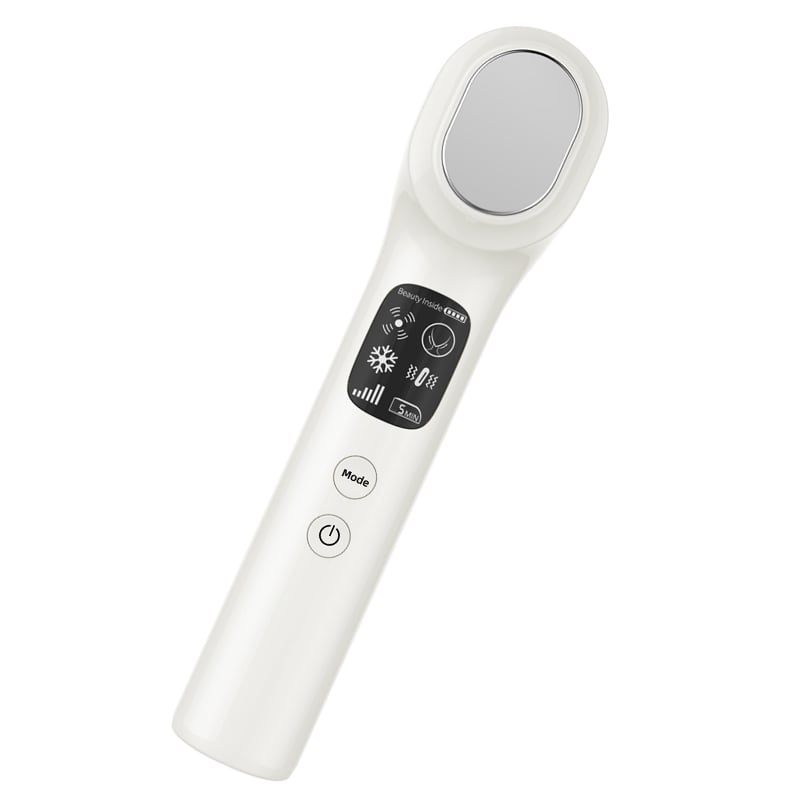
For beauty brands developing an OEM skincare kit, choosing the right beauty device supplier involves much more than comparing unit prices. A successful product line needs the right combination of device functionality, industrial design, quality consistency, customization capability, packaging, and production support. This becomes especially important when a skincare brand wants to combine beauty technology with an existing product range or create a complete at-home skincare experience.
The sourcing process can also vary significantly depending on the type of device being developed. A light therapy mask, facial firming device, RF or EMS beauty device, facial cleansing brush, and skin scrubber all have different structural and functional requirements. Brands therefore need to evaluate whether an OEM/ODM manufacturer has the technical capabilities, production experience, and development process required for the specific product.
Before approaching a beauty device manufacturer, a brand should clearly define what it wants the product to achieve and who will use it. This does not necessarily mean having a completed engineering design. A clear product concept can be enough to start an effective discussion with an experienced OEM/ODM supplier.
Start by identifying the target application, user group, product positioning, preferred functions, and expected user experience. For example, a brand may be looking for a portable LED light therapy mask for home skincare, a multifunctional facial device combining several technologies, or a compact skin scrubber designed for daily cleansing routines.
The intended market also matters. Product appearance, charging requirements, labeling, packaging, documentation, and applicable testing requirements may vary depending on where the device will be sold. Defining the target market at the beginning gives the manufacturer a clearer development brief and helps both sides identify relevant requirements earlier.
It is also useful to decide whether the project is closer to OEM or ODM development. OEM projects may start with an existing product that requires branding or selected customization, while ODM projects generally involve greater participation in product appearance, structure, functions, and development. The exact scope should be agreed upon before development begins.
A supplier's experience should be evaluated based on the type of products it actually develops and manufactures, rather than simply the number of products shown in a catalog.
For a brand sourcing home skincare technology, relevant experience may include LED beauty devices, light therapy masks, facial firming devices, anti-aging devices, facial cleansing brushes, skin scrubbers, neck care devices, body care products, or scalp care technology.
Beperfect, for example, identifies itself as a home-beauty device OEM/ODM manufacturer and lists these product categories on its website. Its product range includes Light Therapy Mask, LED Device, Facial Firming, Anti-aging Device, Facial Cleansing Brush, Skin Scrubber, Neck Care, Body Care, and Scalp Care.
A product sample can show what a device looks and feels like, but it does not tell the entire story of an OEM/ODM project.
Brands should understand how the manufacturer moves from concept to finished product. A structured development process can help clarify responsibilities and reduce misunderstandings between the buyer and supplier.
A typical beauty device development process may involve appearance design, structural design, functional customization, prototype confirmation, mold processing, trial production, mass production, quality inspection, packaging, and shipment.
Beperfect's published OEM/ODM process follows this type of staged development. The company describes a workflow covering appearance design, structural design, appearance confirmation, functional design, functional prototype confirmation, mold processing, trial production, mass production, quality control, inspection and packaging, warehousing, transportation, and after-sales service.
For buyers, this is important because every stage can affect the final product. A change in the device housing may influence internal component placement. A functional change may require structural adjustments. Packaging dimensions may also need to be updated after the final product configuration is confirmed.
Customization is one of the most important differences between a simple private-label product and a deeper OEM/ODM project.
For an OEM skincare kit, a brand may want more than a logo printed on an existing device. It may require a specific appearance, housing design, color, interface, operating mode, charging method, packaging structure, or combination of functions.
When discussing customization with a manufacturer, clarify which elements can be changed and which components are based on an existing platform.
For example, a brand developing an LED beauty device may want to customize the external design while retaining an established internal structure. Another brand may require changes to operating modes, user controls, or the overall product configuration. These projects require different levels of engineering and development involvement.
Beperfect states that its OEM/ODM service includes appearance design, structural design, functional design, prototype confirmation, mold processing, and mass production.
Quality control should not begin only after production has finished. For beauty devices, quality needs to be considered throughout development and manufacturing.
The first area to examine is incoming material and component control. Electronic components, housings, charging parts, cables, and other materials can all affect the finished product.
The next consideration is in-process inspection. A manufacturer should have procedures for checking products during assembly and production rather than relying entirely on final inspection.
Final inspection is also important because a finished beauty device needs to meet both functional and appearance requirements. Brands may need to establish inspection criteria covering dimensions, appearance, operation, charging, accessories, packaging, labeling, and other agreed specifications.
Beperfect states that its quality system includes supply-chain selection, material inspection, in-process inspection, AQL final product inspection, and final product quality checks. Its website also describes quality assurance as being integrated into the R&D process.
For an OEM buyer, this type of end-to-end quality approach is more informative than simply asking whether a supplier performs a final inspection.
Beauty devices may be sold across multiple international markets, so regulatory and testing requirements should be considered before finalizing the product design.
The exact requirements depend on the product category, electrical configuration, wireless functions, intended claims, and destination market. Brands should therefore avoid assuming that one certification automatically covers every market or every device.
During supplier evaluation, ask which testing and certification documents are available for the specific model being considered and whether additional testing will be required after customization.
Beperfect's website states that its products have patents and testing certificates and lists CE, RoHS, FCC, and 510(k) certification among its certification capabilities.
However, buyers should verify the exact certificate, product model, applicable standard, issuing organization, and validity before using certification information in a product launch or marketing material. This is especially important when a device has been substantially modified from an existing model.
Price is only one part of the commercial evaluation when sourcing beauty devices.
Minimum order quantity can affect the feasibility of a new product launch, particularly for brands testing a new category. Lead time also needs to account for development, sampling, tooling when applicable, component procurement, production, inspection, and packaging.
Packaging deserves separate attention. A beauty device may require a custom box, protective inserts, charging accessories, manuals, and other components. If these items are being customized, their development and procurement timelines should be included in the overall project schedule.
After-sales support is another practical consideration. A brand should understand how the manufacturer handles product issues, replacement parts, quality claims, and technical communication after shipment.
A supplier that supports multiple stages of the product lifecycle can make communication easier because product development, manufacturing, inspection, packaging, and after-sales issues can be coordinated within a more connected workflow.
Sourcing a beauty device for an OEM skincare kit is not simply a purchasing decision. It is a product development decision that can influence design, functionality, quality, certification, packaging, production efficiency, and the final user experience.
For this reason, brands should look beyond product catalogs and quoted prices. The more important questions are whether the manufacturer understands the product category, has the engineering and manufacturing capabilities required for the project, maintains a structured quality process, and can support the product from development through mass production.
Beperfect focuses on home-use skincare devices and provides OEM/ODM services covering product development and manufacturing stages from design and prototyping through mass production, quality control, packaging, and after-sales support.
For brands developing LED beauty devices, light therapy masks, facial firming devices, RF or EMS products, facial cleansing brushes, skin scrubbers, and related home skincare technology, evaluating these capabilities early can create a clearer path from product concept to market-ready device.
The goal of effective OEM sourcing is not simply to find a manufacturer that can produce a device. It is to find a development and manufacturing partner whose capabilities match the product concept, target market, quality expectations, and long-term brand strategy.

2026/10/30
Discover why in-house mold development helps an RF beauty device manufacturer improve product consistency, iteration speed, tooling control, and production readiness.

2026/10/30
Learn how to verify an RF beauty device manufacturer's R&D and prototyping capabilities using practical engineering workflows and audit checklists.

2026/10/30
Learn what shapes MOQ when choosing an RF beauty device manufacturer and how to plan a lower-risk first order with balanced platform and customization.

2026/10/30
Use this RF beauty device manufacturer evaluation checklist to compare safety evidence, OEM and ODM capability, quality control, and launch readiness.

2026/10/30
See how technology makes beauty at home more guided, consistent, and informed—plus a practical checklist for choosing devices wisely.

2026/10/30
Explore how AI and smart devices shape the future of beauty with responsive routines, clear guidance, trustworthy design, and user-controlled care.

Ideal for daily facial care routines, providing easy-to-use beauty solutions at home.

Perfect for spas and salons’ frequent treatments, enhancing client experiences and results.

Supports dermatologists with advanced devices for professional skin therapy sessions.

Delivers innovative solutions for full-body massage and relaxation with home devices.

Features anti-aging technologies to help reduce wrinkles and stimulate skin vitality.

Specialized devices for safe and effective hair removal suitable for home or clinic use.

Our customers love the Perfect Idea beauty devices. Quality, packaging, and results are all outstanding. We saw increased repeat sales after adding their facial cleansers to our lineup. Their support team is responsive and reliable.

Perfect Idea brings innovation and reliability to home beauty appliances. Our collaboration introduced their massage tools to Japanese women, boosting customer satisfaction and growing our brand trust across the region.

We partnered with Shenzhen Perfect Idea Tech for their beauty equipment. The shipping was fast and every product matched our expectations. Their home-use massagers are especially popular with local salons and home users.

The stylish packaging and attractive design make Perfect Idea stand out. French consumers appreciate the easy instructions and visible results. Communication was efficient and orders always arrived on time.

Perfect Idea home use personal care devices have become a favorite with our clients. The beauty device line offers quality at a reasonable price, and technical training for our staff made onboarding easy.

We selected Perfect Idea for our beauty product portfolio and have seen very positive feedback from our customers. Products are easy to market online and the customer support is reliable and helpful.
