 EN
Home Skincare
Ideal for daily facial care routines, providing easy-to-use beauty solutions at home.

2026/10/10
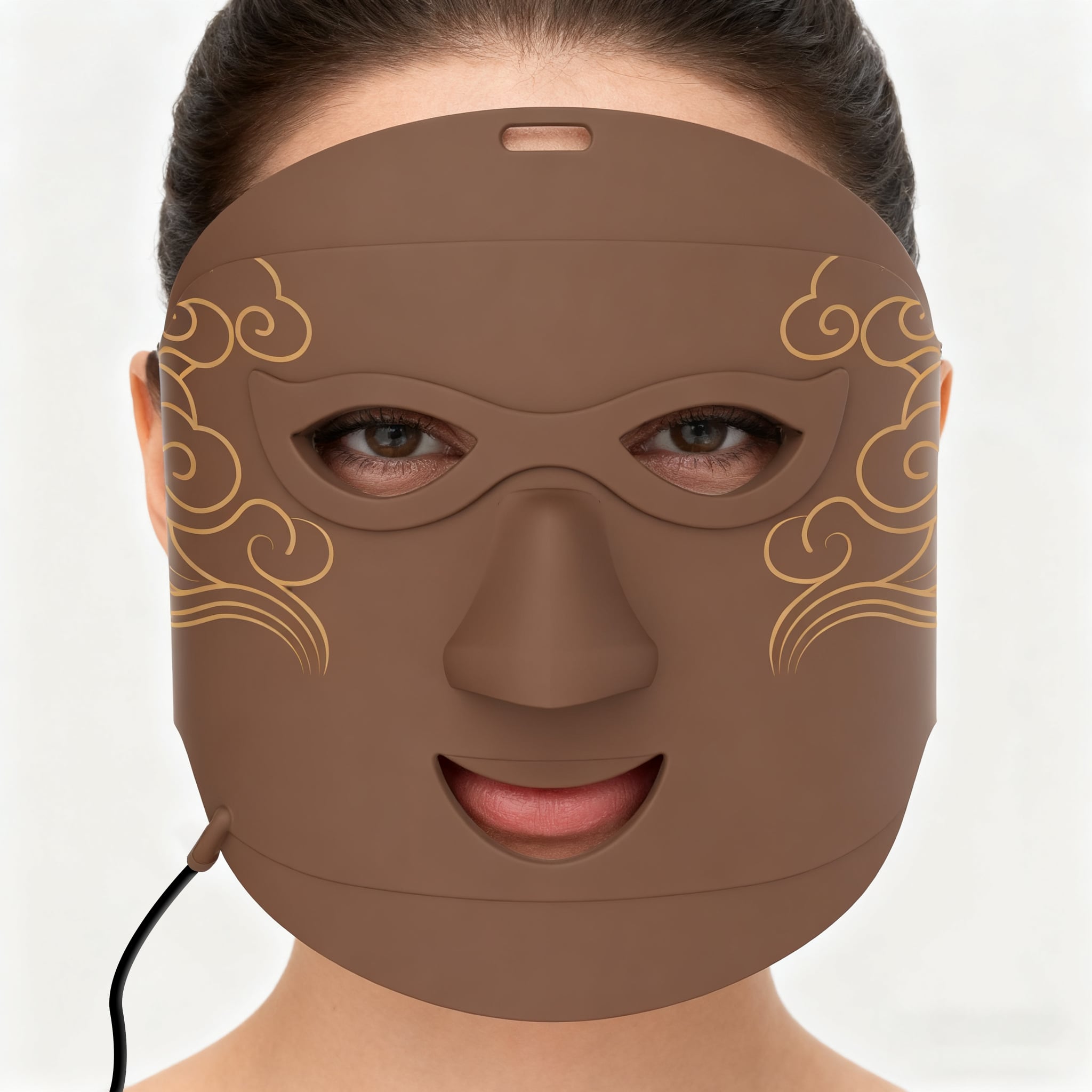
If you are starting red light therapy face sessions, four weeks is a sensible first checkpoint, not a deadline for dramatic transformation. Some people notice that their skin looks a little calmer, feels smoother, or appears more even in tone. Others see very little at first. That range is normal: device design, routine consistency, baseline skin concerns, and the rest of your skincare routine all affect what you can observe.
A practical way to approach red light therapy face care is to watch for small, repeatable changes instead of chasing a single “before and after” moment. This guide explains what may be realistic over four weeks, what usually needs more time, and how to judge your progress without overinterpreting one good—or bad—skin day.
At the four-week mark, the most realistic red light therapy face results are often cosmetic and gradual. You may notice a healthier-looking glow, slightly more comfortable-feeling skin, or a smoother appearance under consistent lighting. Fine lines, lingering uneven tone, and blemish-related marks usually do not disappear in a month. Published facial photobiomodulation protocols commonly observe participants for longer than four weeks, which is a useful reminder that early changes are not the final outcome.
It helps to separate two questions: do I notice anything, and has my skin concern meaningfully changed? The first can sometimes be answered in a month. The second often takes a longer, steadier observation period.
The first week is mainly about tolerance and routine. A well-tolerated session should not push you to increase frequency just because you want faster results. Follow the device instructions, use any supplied eye protection as directed, and pay attention to warmth, dryness, temporary redness, or irritation. If your skin is already reactive, recently exfoliated, or recovering from another procedure, a gentler approach is more useful than forcing a schedule.
Many people expect a visible change immediately. More accurately, week one tells you whether the habit fits your routine and whether your skin remains comfortable with it.
By the second week, the biggest difference between routines is usually consistency. Red light therapy face use is easy to evaluate poorly when the schedule changes every few days or when several new serums are introduced at the same time. Keep the rest of your routine stable where possible. That makes it easier to tell whether any change in glow, softness, or visible redness is lasting rather than temporary.
For a fair comparison, take one photo in the same place, at roughly the same time of day, without a beauty filter. Try to keep camera distance, makeup, and overhead lighting similar. A single mirror check is not very reliable.
Some regular users begin to describe smoother-feeling skin or a more rested-looking surface around this point. Those observations can be meaningful, but they are still subjective. Hydration, sleep, seasonal changes, and makeup can all change how texture looks. Rather than judging your whole face at once, choose one or two concerns to track, such as how foundation sits on the cheeks or whether a familiar area looks less blotchy in comparable photos.
This is also the point to correct a common assumption: more exposure is not automatically better. The aim is to use the device as intended, not to turn a gradual routine into an aggressive one.
After four weeks, you may have enough information to decide whether red light therapy face sessions are comfortable, convenient, and producing early changes you value. A reasonable outcome could be a slightly more even-looking complexion, a smoother visual texture, or less day-to-day variability in how your skin appears. It is also reasonable to conclude that it is too soon to tell. Neither conclusion means the routine has failed.
If your goal is the appearance of deeper wrinkles, long-standing discoloration, active acne, or a diagnosed skin condition, four weeks may be too short to make a confident judgment. Consider a dermatologist’s guidance, especially if the concern is persistent, painful, or changing.
This approach matters because skin changes are rarely linear. A good day after a full night’s sleep may look impressive, while a stressful week can mask a subtle improvement. Notes and comparable photos give you a better basis for deciding whether to continue.
Red light is not ultraviolet light, but “light-based” does not mean every use is right for every person. The American Academy of Dermatology notes that short-term research is encouraging for some skin concerns while long-term effects and individual response still need more study. It also points out that FDA clearance relates to a device’s risk profile; it does not prove that a device will deliver a particular cosmetic result.
Stop using the device and seek professional advice if you develop persistent irritation, discomfort, unexpected discoloration, or an eye-related symptom. Ask a dermatologist before starting if you use photosensitizing medication, have a condition affected by light, have darker skin and are concerned about hyperpigmentation, or are treating a diagnosed skin problem.
A successful first month of red light therapy face care may be less dramatic than social media suggests. It can mean you found a routine you can maintain, your skin stayed comfortable, and you collected enough consistent observations to make a clear next decision. If you notice subtle improvements and enjoy the process, continuing as directed may be reasonable. If you notice no change, reassess the device instructions, your expectations, and whether a dermatologist can help you choose a more targeted approach.
The most credible result is not a promise of transformed skin in 28 days. It is an informed decision based on steady use, sensible safety limits, and your own comparable observations.

2026/10/30
Discover why in-house mold development helps an RF beauty device manufacturer improve product consistency, iteration speed, tooling control, and production readiness.

2026/10/30
Learn how to verify an RF beauty device manufacturer's R&D and prototyping capabilities using practical engineering workflows and audit checklists.

2026/10/30
Learn what shapes MOQ when choosing an RF beauty device manufacturer and how to plan a lower-risk first order with balanced platform and customization.

2026/10/30
Use this RF beauty device manufacturer evaluation checklist to compare safety evidence, OEM and ODM capability, quality control, and launch readiness.

2026/10/30
See how technology makes beauty at home more guided, consistent, and informed—plus a practical checklist for choosing devices wisely.

2026/10/30
Explore how AI and smart devices shape the future of beauty with responsive routines, clear guidance, trustworthy design, and user-controlled care.

Ideal for daily facial care routines, providing easy-to-use beauty solutions at home.

Perfect for spas and salons’ frequent treatments, enhancing client experiences and results.

Supports dermatologists with advanced devices for professional skin therapy sessions.

Delivers innovative solutions for full-body massage and relaxation with home devices.

Features anti-aging technologies to help reduce wrinkles and stimulate skin vitality.

Specialized devices for safe and effective hair removal suitable for home or clinic use.

Our customers love the Perfect Idea beauty devices. Quality, packaging, and results are all outstanding. We saw increased repeat sales after adding their facial cleansers to our lineup. Their support team is responsive and reliable.

Perfect Idea brings innovation and reliability to home beauty appliances. Our collaboration introduced their massage tools to Japanese women, boosting customer satisfaction and growing our brand trust across the region.

We partnered with Shenzhen Perfect Idea Tech for their beauty equipment. The shipping was fast and every product matched our expectations. Their home-use massagers are especially popular with local salons and home users.

The stylish packaging and attractive design make Perfect Idea stand out. French consumers appreciate the easy instructions and visible results. Communication was efficient and orders always arrived on time.

Perfect Idea home use personal care devices have become a favorite with our clients. The beauty device line offers quality at a reasonable price, and technical training for our staff made onboarding easy.

We selected Perfect Idea for our beauty product portfolio and have seen very positive feedback from our customers. Products are easy to market online and the customer support is reliable and helpful.
