 EN
Home Skincare
Ideal for daily facial care routines, providing easy-to-use beauty solutions at home.

2026/09/29
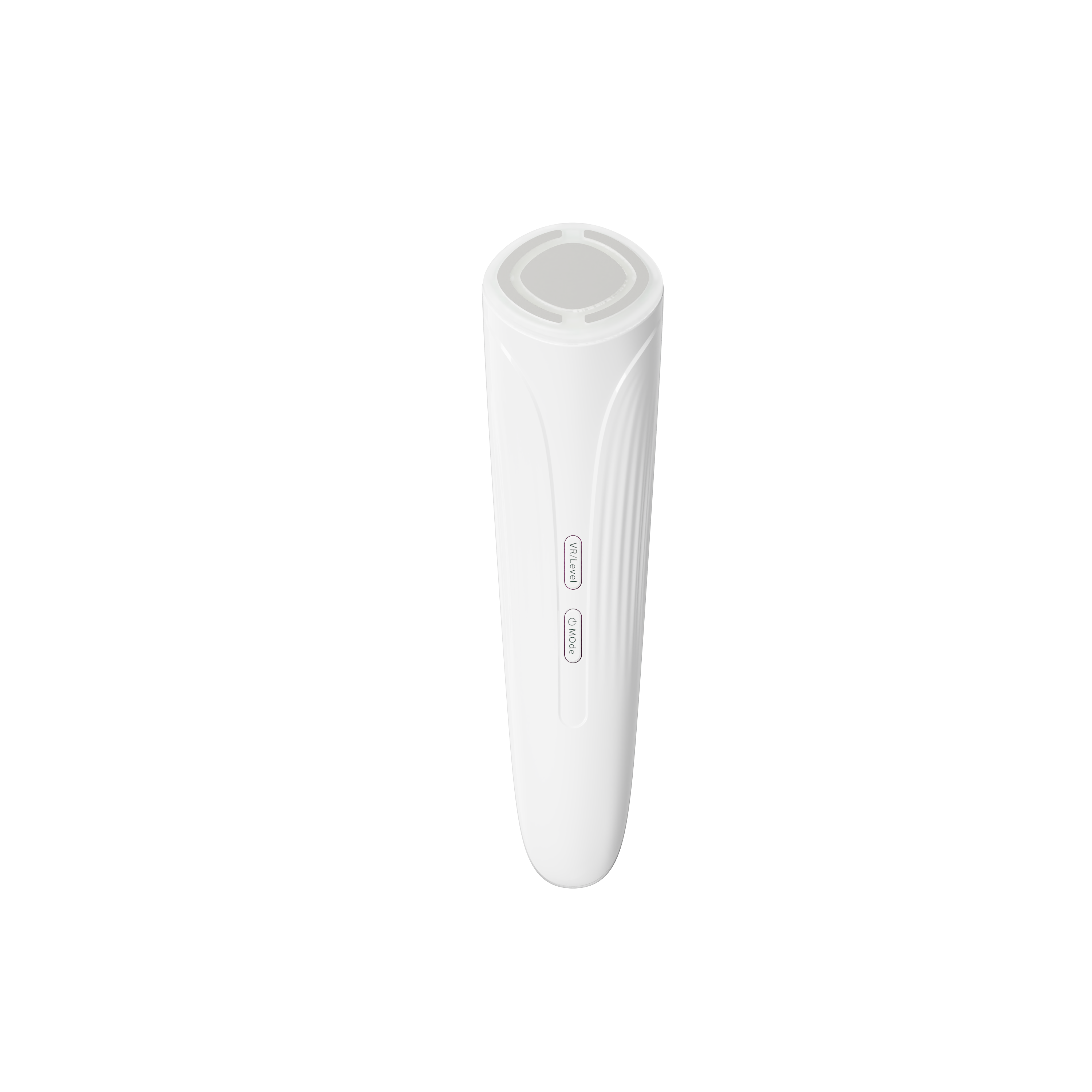
Silicone beauty tools are often described as a cleaner alternative to brushes, porous sponges, and textured applicators. That does not mean a silicone item is automatically sterile or that it still needs routine washing. The practical advantage is simpler: many silicone beauty tools have a smooth, non-porous surface that is easier to rinse, wipe, inspect, and dry between uses. For anyone building a routine around reusable beauty tools, that difference can make regular cleaning more realistic.
From a skin-management perspective, hygiene comes down to what remains on a tool after use: makeup, skincare residue, oil, moisture, and debris from the surrounding environment. Traditional applicators can work beautifully, but fibers, foam cells, seams, and absorbent cores can make residue harder to see and remove. Silicone designs change that maintenance equation by putting more of the used product on the surface rather than inside the applicator.
Porosity describes how readily a material contains tiny openings or spaces. A brush head, flocked puff, or makeup sponge may have many places where liquid products and moisture can remain after a quick rinse. By contrast, the surface of many silicone beauty tools is non-porous. Foundation, cleanser, or mask residue generally stays closer to the outside, where it can be washed away with mild soap and water.
This is a cleaning advantage, not a blanket health claim. Silicone applicators can still collect residue when they are not washed, and a tool stored wet in a closed pouch can still become unpleasant to use. Still, a smooth surface gives the user fewer hidden places to manage. You can see remaining product, feel whether the surface is clean, and rinse it again before putting it away.
Traditional applicators include natural- or synthetic-bristle brushes, foam sponges, puffs, cotton pads, and fabric-covered accessories. Their construction is part of their appeal: bristles can diffuse powder, and sponge texture can create a soft finish. Yet those same structures can trap product below the visible surface. A tool may look clean from the outside while holding residue closer to its center, base, stitching, or handle joint.
That does not make traditional beauty tools unsuitable. It means the cleaning method must match the material. Brushes often need a careful wash through the bristles and sufficient drying time. Sponges need thorough rinsing and complete air-drying. Silicone versions usually reduce the amount of time and water needed for the first pass, especially for liquid masks, gels, cleansers, and cream products.
A practical hygiene system is one people will actually follow. Because silicone beauty tools can often be cleaned immediately after use, they fit well into a short routine: rinse away visible residue, wash with a small amount of gentle cleanser, rinse again, pat or air-dry, and store only when dry. This simple sequence is particularly useful for tools used with thick masks or sticky serums.
Consistency matters more than an occasional deep clean. If you use reusable beauty tools daily, a fast post-use rinse can prevent product from drying onto the surface. A regular deeper clean is still sensible, especially around textured nubs, handles, or edges. Check the maker’s care instructions first; heat, harsh solvents, abrasive scrubbers, and incompatible disinfectants may not be appropriate for every design.
Many users also notice a product-management benefit. With absorbent sponges and some brush fibers, a portion of a liquid product may remain in the applicator. Silicone applicators tend to keep more product on the exterior, which can make cleanup more straightforward. It may also help a user see exactly where product is sitting before the next use.
However, less absorption is not automatically better for every makeup technique. A sponge can create a finish that a silicone applicator cannot replicate, and bristles can offer precision for powders. The most hygienic choice is not necessarily one material for every task. A practical kit may use silicone beauty tools for cleansing, masks, and cream application while reserving brushes or sponges for effects they perform most effectively—then cleaning each item appropriately.
Not all silicone beauty tools have the same cleanability. A flat spatula is typically easier to wipe than a device with deep grooves, a removable head, or a narrow charging port. Soft silicone nubs can be useful for spreading or massaging a cleanser, but they should be rinsed carefully from several angles. Look at the entire object, including the underside, handle, seams, and any areas where water can sit.
When comparing reusable applicators, ask practical questions: Can you reach every surface? Does the design dry quickly? Is there a ventilated place to store it? Are replacement heads available, if the tool uses them? These questions are more useful than assuming that the word “silicone” alone guarantees a cleaner experience.
Silicone beauty tools are often a strong fit for people who value quick cleanup, use liquid or cream formulas, travel frequently, or want a reusable option with a visible, wipeable surface. They can also be helpful when a user wants to simplify a routine rather than add another item that needs prolonged drying.
For a complete routine, think in terms of material and use case. Choose silicone beauty tools where smooth surfaces and easy rinsing serve the product being applied. Choose traditional beauty tools where bristle flexibility, sponge texture, or precision is more important, then give those items the extra cleaning time they require. The goal is not to declare one material universally suitable; it is to select reusable tools that you can maintain consistently.
Silicone beauty tools are more hygienic in a practical sense because their non-porous surfaces are generally easier to clean, easier to inspect, and quicker to dry than many absorbent alternatives. They still require regular washing and sensible storage, but their design can reduce the friction that causes cleaning to be skipped. Used and cared for well, silicone beauty tools can make a reusable beauty-tools routine easier to keep fresh, organized, and dependable.

2026/10/30
Discover why in-house mold development helps an RF beauty device manufacturer improve product consistency, iteration speed, tooling control, and production readiness.

2026/10/30
Learn how to verify an RF beauty device manufacturer's R&D and prototyping capabilities using practical engineering workflows and audit checklists.

2026/10/30
Learn what shapes MOQ when choosing an RF beauty device manufacturer and how to plan a lower-risk first order with balanced platform and customization.

2026/10/30
Use this RF beauty device manufacturer evaluation checklist to compare safety evidence, OEM and ODM capability, quality control, and launch readiness.

2026/10/30
See how technology makes beauty at home more guided, consistent, and informed—plus a practical checklist for choosing devices wisely.

2026/10/30
Explore how AI and smart devices shape the future of beauty with responsive routines, clear guidance, trustworthy design, and user-controlled care.

Ideal for daily facial care routines, providing easy-to-use beauty solutions at home.

Perfect for spas and salons’ frequent treatments, enhancing client experiences and results.

Supports dermatologists with advanced devices for professional skin therapy sessions.

Delivers innovative solutions for full-body massage and relaxation with home devices.

Features anti-aging technologies to help reduce wrinkles and stimulate skin vitality.

Specialized devices for safe and effective hair removal suitable for home or clinic use.

Our customers love the Perfect Idea beauty devices. Quality, packaging, and results are all outstanding. We saw increased repeat sales after adding their facial cleansers to our lineup. Their support team is responsive and reliable.

Perfect Idea brings innovation and reliability to home beauty appliances. Our collaboration introduced their massage tools to Japanese women, boosting customer satisfaction and growing our brand trust across the region.

We partnered with Shenzhen Perfect Idea Tech for their beauty equipment. The shipping was fast and every product matched our expectations. Their home-use massagers are especially popular with local salons and home users.

The stylish packaging and attractive design make Perfect Idea stand out. French consumers appreciate the easy instructions and visible results. Communication was efficient and orders always arrived on time.

Perfect Idea home use personal care devices have become a favorite with our clients. The beauty device line offers quality at a reasonable price, and technical training for our staff made onboarding easy.

We selected Perfect Idea for our beauty product portfolio and have seen very positive feedback from our customers. Products are easy to market online and the customer support is reliable and helpful.
