 EN
Home Skincare
Ideal for daily facial care routines, providing easy-to-use beauty solutions at home.

2026/10/08
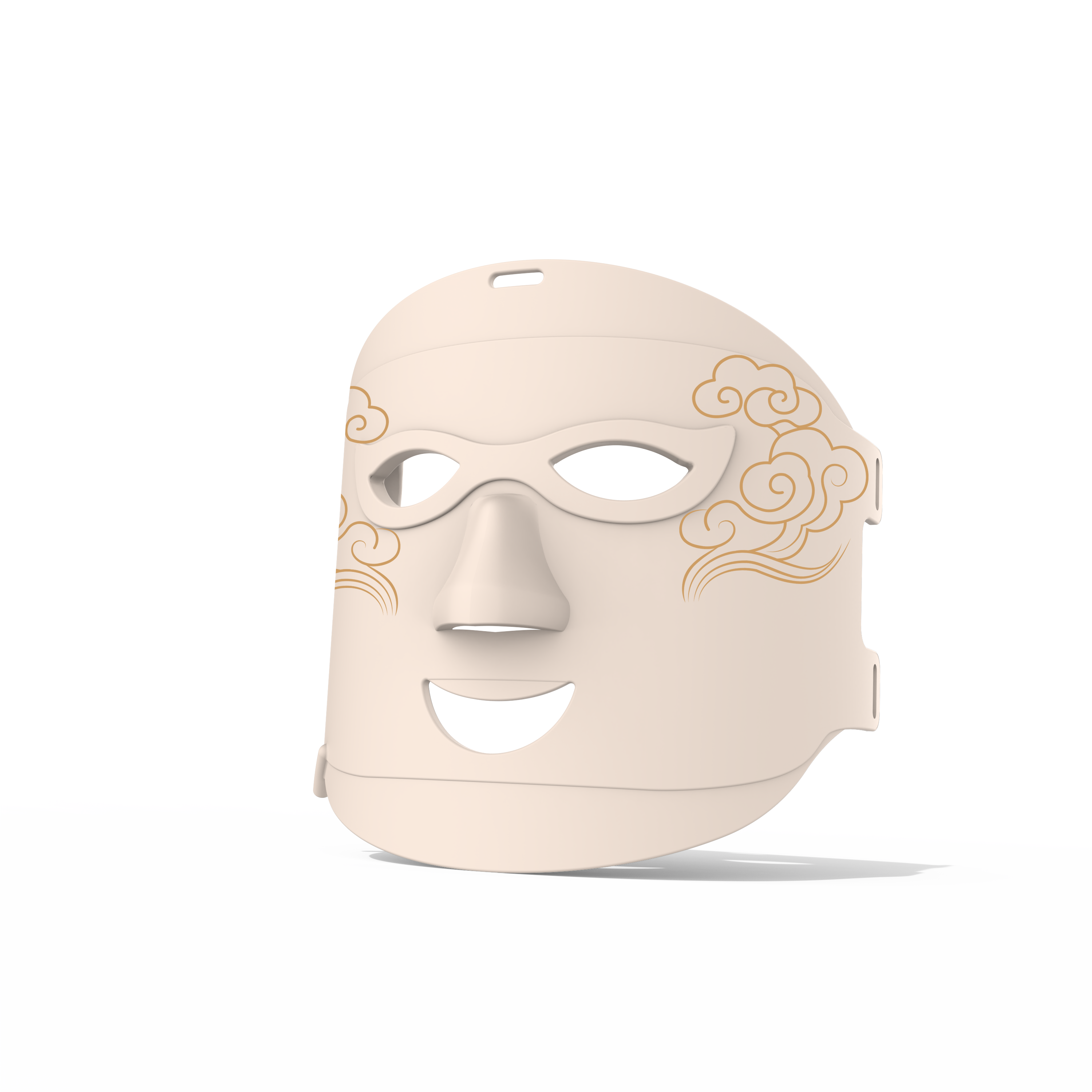
A silicone mask can feel like a straightforward choice: soft, flexible, washable, and close to the face. For sensitive skin, though, the safer choice is not determined by a label alone. “Medical-grade” describes a material-control and evaluation context; it is not a promise that every finished silicone mask will suit every person, every routine, or every use setting.
A skin-management professional would look beyond the label and ask: what touches the skin, for how long, under what heat and pressure, and how is the finished item cleaned and controlled? A silicone mask may be a better candidate for sensitive skin when those details are documented and thoughtfully designed. It is still wise to introduce any new facial device cautiously, especially if you have a history of dermatitis, rosacea flares, eczema, or reactions to cosmetics.
“Medical-grade silicone” is often used as a shorthand for silicone intended for demanding skin-contact or medical-device applications. It should not be treated as a universal certification printed on a package. The meaningful evidence concerns the specific material formulation, the manufacturing controls, and the finished silicone mask—not just a generic description of silicone.
For example, the U.S. Food and Drug Administration’s biocompatibility guidance recognizes that a material with a long history in legally marketed devices that contact intact skin can present a low biocompatibility risk. That is useful context, not a shortcut. A finished silicone mask can also include pigments, additives, adhesives, electronics housings, straps, coatings, or residues. Each of those can change the real skin-contact experience.
So a responsible supplier conversation starts with traceability: What is the base silicone? Which parts contact the face? Are colorants or surface treatments used? What documentation applies to the finished product and its intended contact conditions? Clear answers matter more than a broad marketing phrase.
A well-made silicone mask is nonporous compared with many absorbent textiles or foams. A smooth, intact surface is generally easier to rinse, dry, and inspect. That may help users reduce the buildup of leftover skincare, oils, or cleanser that can be irritating when repeatedly pressed against the face. It does not make cleaning optional: a silicone mask still needs to be washed and fully dried according to the manufacturer’s instructions.
Flexibility is another potential advantage. A silicone mask that conforms without pulling, pinching, or concentrating pressure can feel gentler around the nose, cheeks, and jaw. Yet softness alone is not the whole story. A loose or poorly balanced fit may shift and create rubbing; an overly tight fit may trap warmth, moisture, and skincare products. Sensitive skin usually benefits from a controlled, comfortable fit rather than maximum compression.
The material can also be durable, but durability should be checked visually. Cracks, tacky areas, rough seams, discoloration, or a persistent odor are reasons to pause use and ask for guidance. A damaged silicone mask is harder to clean consistently and may not behave like the original skin-contact surface.
People sometimes focus on the word silicone and overlook the surrounding design. For a facial silicone mask, the details below are often more relevant to comfort and tolerance than the headline material claim:
For devices that contact intact skin, FDA materials resources list evaluation endpoints such as cytotoxicity. That illustrates an important principle: safety assessment is tied to the nature and duration of contact, not simply to a material name. It is reasonable to ask a B2B supplier what skin-contact documentation and quality controls apply to the relevant silicone mask configuration. It is not reasonable to infer that a supplier has completed a particular test or gained a particular clearance unless it provides that evidence for the exact product.
For brand teams sourcing a silicone mask, consistent batch control deserves attention too. A capable manufacturing process should be able to identify the approved material specification, manage incoming-material checks, and maintain consistent molding and finishing practices. Those process questions help reduce surprises between an evaluated sample and a later production batch. They do not replace product-specific regulatory review for the intended market.
Even an apparently well-designed silicone mask may not be right for every individual. The American Academy of Dermatology recommends testing new skin-care products on a small area twice daily for seven to ten days. A facial device is not a skin-care product, so use that advice as a cautious principle rather than a device protocol: begin with the manufacturer’s shortest recommended session, use clean and dry contact surfaces, and observe how your skin responds.
This gradual approach does not assume that silicone is unsafe. It recognizes that sensitive skin responds to a combination of contact, friction, heat, moisture, residue, and individual history.
When evaluating a silicone mask for a sensitive-skin positioning, ask for product-specific answers in writing:
For BEPERFECT and other home-beauty device suppliers, a disciplined quality conversation is more useful than promising universal suitability. It gives brand teams a basis for evaluating material traceability, manufacturing consistency, and use instructions.
A medical-grade silicone mask may be a sensible option for sensitive skin when the claim is backed by product-specific material information, thoughtful skin-contact design, controlled manufacturing, and clear cleaning and use instructions. The silicone mask itself is only one part of the equation. Prioritize the finished device, introduce it gradually, and treat a personal reaction as useful feedback—not something to push through.

2026/10/30
Discover why in-house mold development helps an RF beauty device manufacturer improve product consistency, iteration speed, tooling control, and production readiness.

2026/10/30
Learn how to verify an RF beauty device manufacturer's R&D and prototyping capabilities using practical engineering workflows and audit checklists.

2026/10/30
Learn what shapes MOQ when choosing an RF beauty device manufacturer and how to plan a lower-risk first order with balanced platform and customization.

2026/10/30
Use this RF beauty device manufacturer evaluation checklist to compare safety evidence, OEM and ODM capability, quality control, and launch readiness.

2026/10/30
See how technology makes beauty at home more guided, consistent, and informed—plus a practical checklist for choosing devices wisely.

2026/10/30
Explore how AI and smart devices shape the future of beauty with responsive routines, clear guidance, trustworthy design, and user-controlled care.

Ideal for daily facial care routines, providing easy-to-use beauty solutions at home.

Perfect for spas and salons’ frequent treatments, enhancing client experiences and results.

Supports dermatologists with advanced devices for professional skin therapy sessions.

Delivers innovative solutions for full-body massage and relaxation with home devices.

Features anti-aging technologies to help reduce wrinkles and stimulate skin vitality.

Specialized devices for safe and effective hair removal suitable for home or clinic use.

Our customers love the Perfect Idea beauty devices. Quality, packaging, and results are all outstanding. We saw increased repeat sales after adding their facial cleansers to our lineup. Their support team is responsive and reliable.

Perfect Idea brings innovation and reliability to home beauty appliances. Our collaboration introduced their massage tools to Japanese women, boosting customer satisfaction and growing our brand trust across the region.

We partnered with Shenzhen Perfect Idea Tech for their beauty equipment. The shipping was fast and every product matched our expectations. Their home-use massagers are especially popular with local salons and home users.

The stylish packaging and attractive design make Perfect Idea stand out. French consumers appreciate the easy instructions and visible results. Communication was efficient and orders always arrived on time.

Perfect Idea home use personal care devices have become a favorite with our clients. The beauty device line offers quality at a reasonable price, and technical training for our staff made onboarding easy.

We selected Perfect Idea for our beauty product portfolio and have seen very positive feedback from our customers. Products are easy to market online and the customer support is reliable and helpful.
