 EN
Home Skincare
Ideal for daily facial care routines, providing easy-to-use beauty solutions at home.

2026/09/22
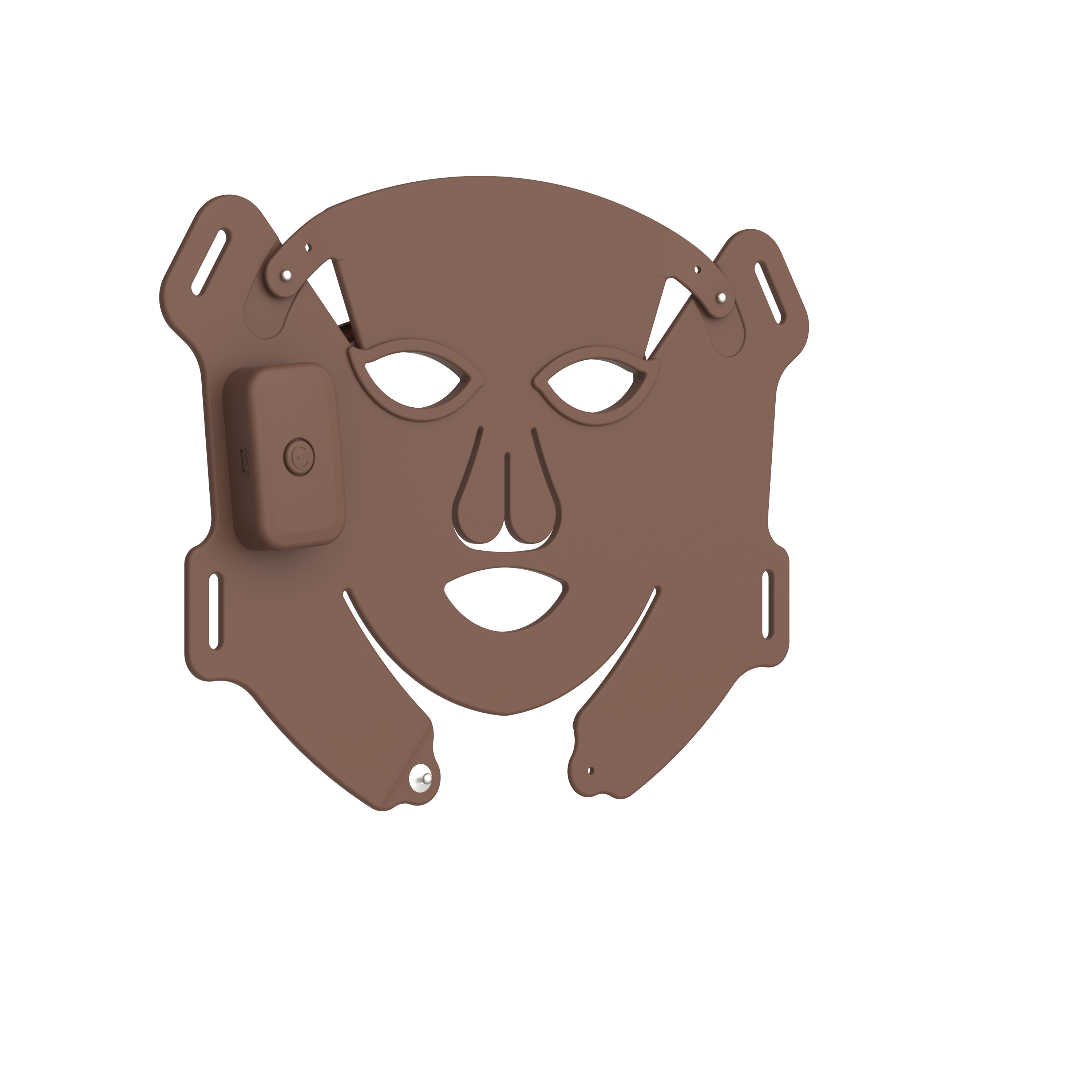
The term beauty equipment covers everything from simple at-home skincare tools to devices used in professional settings. That range can make “medical-grade” sound like a clear technical category, but it is not a universal label with one fixed meaning. For a brand buyer, distributor, or informed user, the practical question is more useful: what evidence supports the device’s intended use, safety controls, documentation, and service plan?
From an international procurement perspective, the difference is rarely just a stronger-looking housing or a longer specification sheet. It is the way a device is designed, validated, labeled, and supported for a defined use case. A consumer device may be appropriate for routine home use; a device marketed for a regulated medical or clinical purpose requires a different level of claim discipline and market-specific review.
“Medical-grade” is often used informally in the beauty market. It does not automatically prove that a product is cleared, approved, registered, or suitable for a clinical procedure. The first comparison point for any beauty equipment is its intended use: who will use it, on whom, in what setting, and what result is being claimed?
Consumer-grade devices are generally positioned for personal care routines. Their instructions should be understandable to a non-professional user and their claims should stay within what the product can legitimately support. Professional or medical-use equipment may be designed for trained operators, controlled treatment protocols, or claims that place it within a medical-device framework in a particular market. Those are not interchangeable descriptions.
In the United States, device classification is risk-based: FDA explains that Class I represents the lowest-risk end of the classification spectrum and Class III the highest. That fact does not classify any individual beauty device. It does show why a buyer should ask for the exact intended use and relevant market documentation rather than assume a category from a sales phrase.
Consumer-grade beauty equipment is usually optimized for approachable home operation. Common design priorities include a compact format, guided modes, limited user adjustments, and safeguards that reduce the chance of unintended settings. A good consumer product still needs durable materials, clear instructions, and repeatable assembly, but its interface is built around everyday use.
Equipment intended for professional environments may prioritize different controls: more precise adjustment ranges, serviceable components, traceability of batches or firmware, operator training materials, and procedures for maintenance. These features do not make every professional device “medical-grade.” They make the product easier to evaluate against a more demanding operating environment.
| Comparison area | Consumer-grade focus | Professional or medical-use focus |
|---|---|---|
| Primary user | Home user with simple instructions | Trained operator or a defined clinical workflow |
| Claims | Routine beauty and personal-care positioning | Must match intended use and local regulatory requirements |
| Controls | Guided settings and conservative limits | Defined parameters, protocols, and operator safeguards |
| Documentation | User guide and basic product information | Technical file, labeling, service records, and market-specific evidence as applicable |
| After-sales support | Consumer troubleshooting and warranty process | Training, maintenance procedures, spare parts, and escalation paths |
When comparing beauty equipment, buyers sometimes focus on one visible protection, such as an automatic timer or temperature limit. Those features matter, yet safety is broader. It includes electrical design, materials that contact the skin, energy delivery limits, instructions, contraindications, cleaning guidance, packaging, and how the supplier handles complaints or updates.
For a home beauty device, clear warnings and an easy-to-follow routine can be as important as the headline technology. For a device sold into professional or medical channels, a buyer should also ask how the supplier controls design changes, verifies production consistency, and records service issues. The expected evidence will vary by country and by the product’s intended use.
A frequent procurement mistake is treating a certification logo, a test report, and a medical claim as the same thing. They are not. A report may address a specific safety or electromagnetic compatibility test. A quality-system certificate may describe a manufacturer’s management process. A market authorization or registration, where required, concerns a particular product and intended use. Each document has a scope, date, holder, and market relevance.
Ask suppliers to identify exactly which product model and configuration each document covers. Confirm whether accessories, power supplies, software versions, and labeling are included. If a seller calls its beauty equipment medical-grade, request a plain-language explanation of what the phrase means in the target market. A credible partner should be comfortable distinguishing verified facts from positioning language.
For a private-label brand, the decision begins before cosmetic choices. Define the target customer, country, intended use, claim boundary, and support model. A home-use LED, ultrasonic, or hot-and-cold skincare device may need a very different product brief from equipment aimed at a professional treatment room. Changing the claim late in development can affect labeling, testing, instructions, and commercial timelines.
Manufacturers of home beauty devices can support a disciplined development process by documenting the agreed specification, confirming sample revisions, and keeping communication clear about what has and has not been verified. This approach is more valuable than promising a blanket “medical-grade” outcome. It gives a brand a defensible basis for choosing the right beauty equipment for its market.
Medical-grade and consumer-grade are not simply high versus low quality. The meaningful distinction lies in intended use, risk management, evidence, labeling, and the level of operational support expected in the target market. The right beauty equipment is the device whose design and documentation match the user, claim, and channel you actually plan to serve. For buyers, that is a more reliable standard than a label alone.

2026/10/30
Discover why in-house mold development helps an RF beauty device manufacturer improve product consistency, iteration speed, tooling control, and production readiness.

2026/10/30
Learn how to verify an RF beauty device manufacturer's R&D and prototyping capabilities using practical engineering workflows and audit checklists.

2026/10/30
Learn what shapes MOQ when choosing an RF beauty device manufacturer and how to plan a lower-risk first order with balanced platform and customization.

2026/10/30
Use this RF beauty device manufacturer evaluation checklist to compare safety evidence, OEM and ODM capability, quality control, and launch readiness.

2026/10/30
See how technology makes beauty at home more guided, consistent, and informed—plus a practical checklist for choosing devices wisely.

2026/10/30
Explore how AI and smart devices shape the future of beauty with responsive routines, clear guidance, trustworthy design, and user-controlled care.

Ideal for daily facial care routines, providing easy-to-use beauty solutions at home.

Perfect for spas and salons’ frequent treatments, enhancing client experiences and results.

Supports dermatologists with advanced devices for professional skin therapy sessions.

Delivers innovative solutions for full-body massage and relaxation with home devices.

Features anti-aging technologies to help reduce wrinkles and stimulate skin vitality.

Specialized devices for safe and effective hair removal suitable for home or clinic use.

Our customers love the Perfect Idea beauty devices. Quality, packaging, and results are all outstanding. We saw increased repeat sales after adding their facial cleansers to our lineup. Their support team is responsive and reliable.

Perfect Idea brings innovation and reliability to home beauty appliances. Our collaboration introduced their massage tools to Japanese women, boosting customer satisfaction and growing our brand trust across the region.

We partnered with Shenzhen Perfect Idea Tech for their beauty equipment. The shipping was fast and every product matched our expectations. Their home-use massagers are especially popular with local salons and home users.

The stylish packaging and attractive design make Perfect Idea stand out. French consumers appreciate the easy instructions and visible results. Communication was efficient and orders always arrived on time.

Perfect Idea home use personal care devices have become a favorite with our clients. The beauty device line offers quality at a reasonable price, and technical training for our staff made onboarding easy.

We selected Perfect Idea for our beauty product portfolio and have seen very positive feedback from our customers. Products are easy to market online and the customer support is reliable and helpful.
