 EN
Home Skincare
Ideal for daily facial care routines, providing easy-to-use beauty solutions at home.

2026/09/25
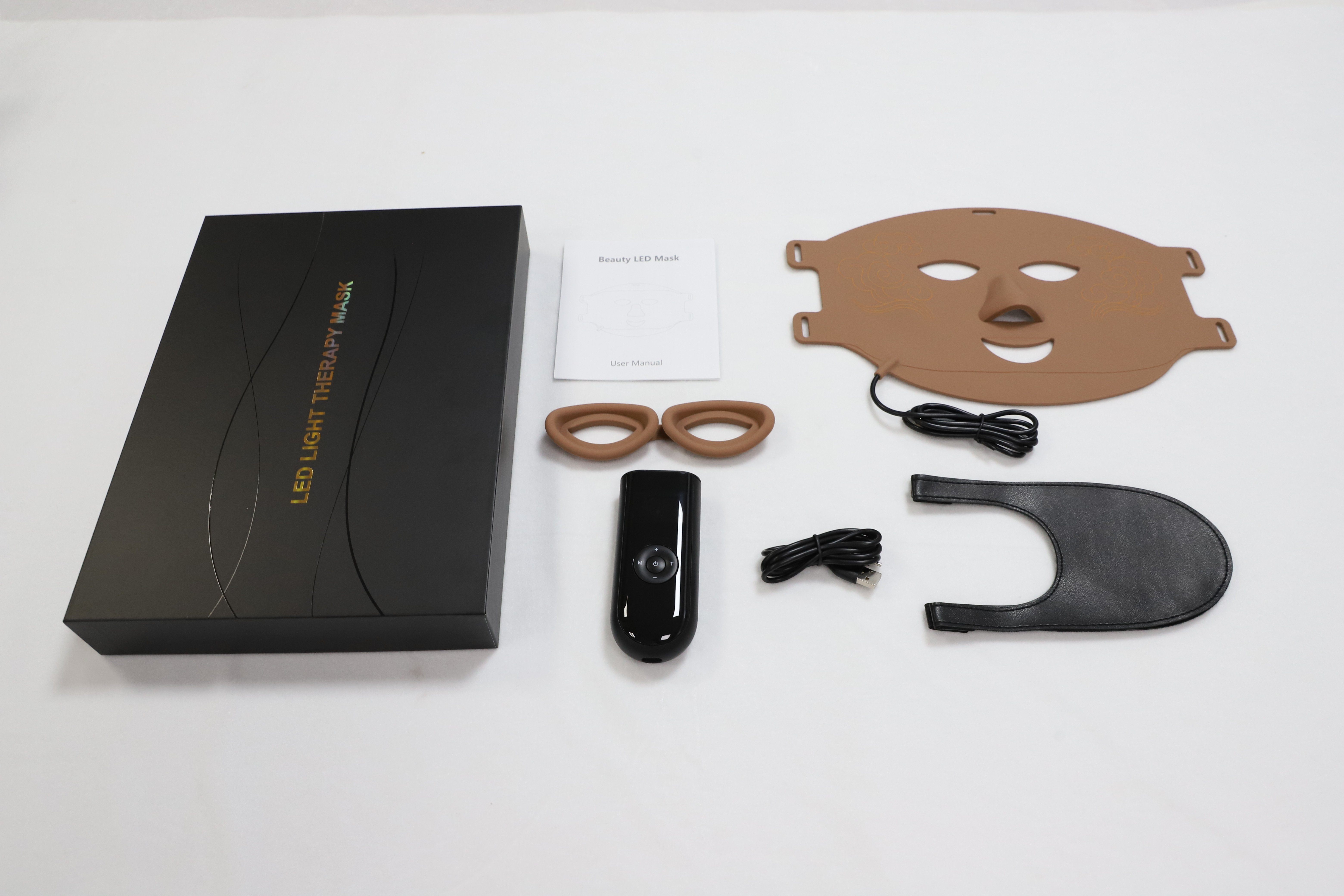
People often ask whether an LED mask using red light can help with acne and blemishes. The short answer is that effectiveness depends less on the name on the box than on the light settings, the way the mask fits, the dose delivered over time, and how sensibly it is used alongside an acne routine. A red light mask is not a substitute for diagnosis or prescribed treatment, but it may be a useful supportive tool for people who want a non-invasive at-home option.
From a skin-management perspective, the most useful question is not “does every LED mask work?” It is “does this device disclose enough information for me to use it consistently and safely?” That shift helps separate meaningful design choices from vague marketing language.
A red light mask is generally discussed in the context of photobiomodulation: exposure to visible red light intended to support normal skin processes. For blemish-prone skin, red light is commonly positioned as support for the look of redness, recovery, and overall skin comfort. Results vary with skin condition, routine, and device use, so it should not be presented as an assured acne cure.
That distinction matters because acne is not one simple issue. It can involve oil production, clogged pores, inflammation, bacteria, hormones, and irritation from products. If someone is choosing an LED mask specifically for active breakouts, they should check whether the device also offers blue light and clearly explains the purpose of each mode. Blue light is often discussed separately for its relevance to acne-associated bacteria, while red light is more often used for calming and recovery support.
A credible red light mask should identify its wavelengths rather than relying only on color names. Wavelength information tells a buyer what kind of LED output is intended. For acne and blemish routines, it is also helpful when a device distinguishes red and blue modes instead of implying that one color does every job.
Look for straightforward instructions: which mode to use, how long a session lasts, and how often sessions are recommended. If those details are missing, it is hard to judge whether the device can be used in a repeatable way.
Brightness alone does not define performance. The practical value of the device depends on irradiance, session duration, distance from the skin, and the consistency of the routine. These factors work together to determine the light dose delivered to the face. A manufacturer should make its treatment protocol easy to understand rather than encouraging users to extend sessions without guidance.
For buyers evaluating an at-home light therapy device, transparent specifications and conservative instructions are usually more useful than dramatic before-and-after promises. Consistency over several weeks is a more realistic expectation than an overnight change.
Fit is easy to overlook, yet it influences whether the mask delivers light evenly across the areas a person wants to treat. A rigid shell that sits far from the cheeks or jawline may leave inconsistent exposure. A design that is uncomfortable, heavy, or difficult to secure also makes regular use less likely.
Ask practical questions before choosing a mask: Does it cover the forehead, cheeks, chin, and jawline? Are the straps adjustable? Is there appropriate eye protection or an eye-safety design? Can the user lie down or move comfortably during a session? These details affect adherence more than a long feature list.
Start with clean, dry skin unless the device instructions say otherwise. Use the device for the stated session length and avoid stacking extra time on the assumption that more exposure is better. Follow with a simple, non-irritating routine; harsh exfoliation or multiple strong actives can make it harder to tell what is helping or causing irritation.
It also helps to set a baseline. Take a photo in similar lighting, note active blemish areas, and reassess after a consistent period rather than checking every day. This small habit gives the device a fairer evaluation and reduces the temptation to change several variables at once.
Persistent, painful, cystic, or scarring acne deserves professional advice. An LED mask should be treated as a supportive skincare device, not a replacement for a clinician’s plan. People who use photosensitizing medicines, have a light-sensitive condition, are pregnant, or have an eye concern should review the device guidance and ask a qualified healthcare professional when appropriate.
An LED mask may support an acne-conscious routine, particularly around the appearance of redness and recovery, but acne can have multiple causes. For ongoing or severe acne, combine skincare decisions with professional guidance.
They are often used for different purposes. Blue light is commonly discussed for acne-associated bacteria, while red light is commonly positioned for soothing and recovery support. A device that explains both modes clearly gives users a better basis for choosing a routine.
Assess the device over a consistent period that follows its instructions. Immediate claims are less useful than repeatable use, stable skincare, and a simple progress record.
An effective red light mask combines transparent specifications, appropriate treatment guidance, comfortable coverage, and a routine a person can actually maintain. For acne and blemish treatment, the strongest approach is measured: understand the role of red versus blue light, avoid exaggerated expectations, and use the device as one part of thoughtful skin care.

2026/10/30
Discover why in-house mold development helps an RF beauty device manufacturer improve product consistency, iteration speed, tooling control, and production readiness.

2026/10/30
Learn how to verify an RF beauty device manufacturer's R&D and prototyping capabilities using practical engineering workflows and audit checklists.

2026/10/30
Learn what shapes MOQ when choosing an RF beauty device manufacturer and how to plan a lower-risk first order with balanced platform and customization.

2026/10/30
Use this RF beauty device manufacturer evaluation checklist to compare safety evidence, OEM and ODM capability, quality control, and launch readiness.

2026/10/30
See how technology makes beauty at home more guided, consistent, and informed—plus a practical checklist for choosing devices wisely.

2026/10/30
Explore how AI and smart devices shape the future of beauty with responsive routines, clear guidance, trustworthy design, and user-controlled care.

Ideal for daily facial care routines, providing easy-to-use beauty solutions at home.

Perfect for spas and salons’ frequent treatments, enhancing client experiences and results.

Supports dermatologists with advanced devices for professional skin therapy sessions.

Delivers innovative solutions for full-body massage and relaxation with home devices.

Features anti-aging technologies to help reduce wrinkles and stimulate skin vitality.

Specialized devices for safe and effective hair removal suitable for home or clinic use.

Our customers love the Perfect Idea beauty devices. Quality, packaging, and results are all outstanding. We saw increased repeat sales after adding their facial cleansers to our lineup. Their support team is responsive and reliable.

Perfect Idea brings innovation and reliability to home beauty appliances. Our collaboration introduced their massage tools to Japanese women, boosting customer satisfaction and growing our brand trust across the region.

We partnered with Shenzhen Perfect Idea Tech for their beauty equipment. The shipping was fast and every product matched our expectations. Their home-use massagers are especially popular with local salons and home users.

The stylish packaging and attractive design make Perfect Idea stand out. French consumers appreciate the easy instructions and visible results. Communication was efficient and orders always arrived on time.

Perfect Idea home use personal care devices have become a favorite with our clients. The beauty device line offers quality at a reasonable price, and technical training for our staff made onboarding easy.

We selected Perfect Idea for our beauty product portfolio and have seen very positive feedback from our customers. Products are easy to market online and the customer support is reliable and helpful.
