 EN
Home Skincare
Ideal for daily facial care routines, providing easy-to-use beauty solutions at home.

2026/10/09
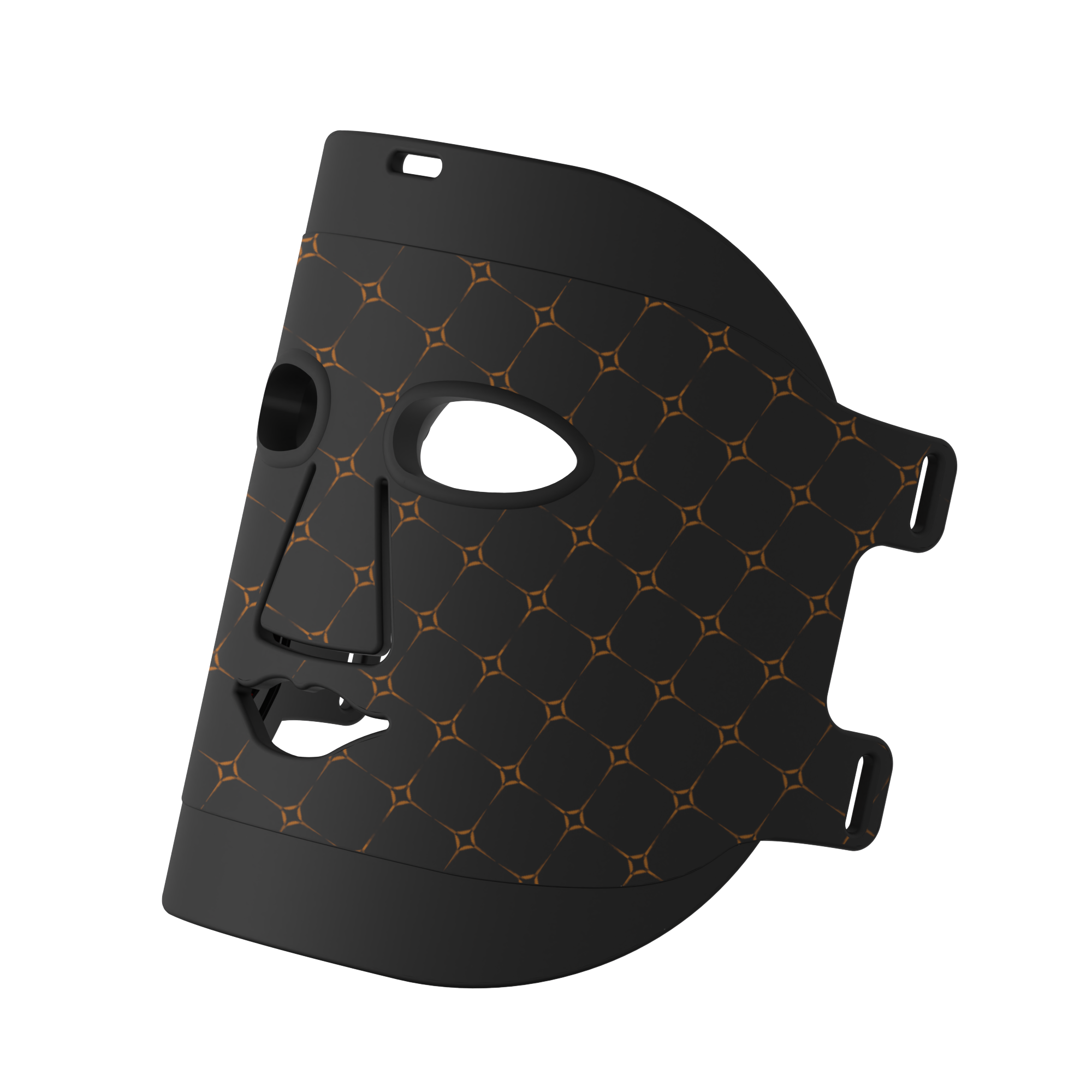
Blue light is one part of LED light therapy that is commonly discussed for acne-prone skin. Its role is not to “erase” acne overnight. Instead, blue wavelengths are studied because they may affect acne-associated Cutibacterium acnes and can fit into a measured skin-care plan. For someone deciding whether LED light therapy belongs in an acne routine, the useful question is what blue light can reasonably contribute—and what it cannot replace.
From a skin-management perspective, expectations matter as much as the device itself. Acne can involve blocked follicles, inflammation, oil production, bacteria, hormones, products, and sometimes medication side effects. Blue-light LED light therapy addresses only part of that picture. It is more accurately understood as a non-UV, light-based adjunct rather than a universal acne cure.
In acne discussions, blue light usually refers to visible wavelengths near the blue portion of the spectrum. Research has examined wavelengths around 415 nm, although a device’s exact settings and treatment instructions can differ. The proposed mechanism is fairly specific: C. acnes naturally contains light-sensitive compounds called porphyrins. When those compounds absorb appropriate blue light, they may produce reactive oxygen species that can stress or reduce the bacteria in the treated area.
That is why blue light is associated most closely with inflammatory breakouts, such as red papules and pustules. This mechanism does not mean every spot will respond, and it does not prove that every home device delivers the same dose or outcome. That is one reason to assess LED light therapy as a supporting routine rather than a fast cure. Still, it explains why acne is a more logical discussion for a blue-light treatment than, for example, a deep scar or a hormonal trigger.
Many acne-oriented LED protocols use blue light alone or pair it with red light. The roles are different. Blue light is usually discussed for its potential action on acne-associated bacteria, while red light is more often discussed for its possible calming, anti-inflammatory contribution. Combining colors should not be treated as proof of a superior result for every person; it is simply a common approach studied in some protocols. In practice, LED light therapy still needs a sensible schedule and compatible skin care.
This distinction is useful when reading product descriptions. A long list of colors does not automatically make a device more appropriate for acne. The practical questions are whether the instructions identify the intended use, whether the treatment time is clear, whether eye protection is addressed, and whether the user can follow the schedule consistently. With LED treatment, consistency and a suitable protocol matter more than a dramatic color list.
Clinical studies and reviews suggest that blue-light phototherapy can help some people with mild-to-moderate inflammatory acne. The most useful way to view LED light therapy is as a controlled adjunct, not a substitute for diagnosis. However, study designs, devices, session schedules, and outcome measures vary. Results from a supervised study should not be converted into a guarantee for an at-home mask or handheld tool. A responsible explanation of light-based acne care therefore avoids promises such as “clears acne permanently” or “works for every skin type.”
Blue light also has limits. It may not address comedones, scarring, severe nodules or cysts, hormonal drivers, or the irritation caused by an unsuitable skin-care routine. If breakouts are painful, widespread, leaving scars, or worsening despite basic care, a dermatologist can help assess whether prescription treatment or another intervention is more appropriate. LED light therapy should not delay that evaluation.
A simple, safety-first routine is usually more helpful than adding multiple new products at once:
Because blue-light treatment is light based, it deserves the same care as any skin-treatment tool. Follow the device’s eye-safety directions and do not stare into bright LEDs. Stop if treatment causes significant discomfort, persistent redness, or a new rash. People who have a photosensitivity condition, take medicines that increase light sensitivity, have an eye condition, are pregnant, or are managing a skin disorder should ask an appropriate clinician before starting.
It is also important to read regulatory language accurately. A device described as “cleared” or “registered” in a market does not promise that it will treat an individual’s acne. It is a reason to examine the intended-use statement and instructions carefully, not a substitute for professional medical advice. This is particularly important for buyers evaluating LED treatment devices for a brand portfolio: claims, instructions, and safety information should match the device’s confirmed documentation.
Think of blue light as one controlled input in a broader acne plan. Some users may notice fewer inflamed blemishes over a consistent course of use; others may see little change if their acne is driven mainly by factors blue light does not target. It does not replace sun protection, a gentle routine, or treatment for persistent disease. Used with those limits in mind, LED light therapy can be evaluated calmly rather than overused. In short, the role of blue light in this treatment approach is targeted and supportive: it may help manage part of the inflammatory acne process, and it benefits from realistic expectations and appropriate clinical guidance.
No. Blue-light treatment may help some cases of mild-to-moderate inflammatory acne, but acne has multiple causes and may require other care.
Response varies by person and protocol. Follow the device schedule and assess changes over a consistent course rather than expecting an immediate result.
Possibly, but check the device guidance and discuss active ingredients with a dermatologist or pharmacist when irritation or photosensitivity is a concern.

2026/10/30
Discover why in-house mold development helps an RF beauty device manufacturer improve product consistency, iteration speed, tooling control, and production readiness.

2026/10/30
Learn how to verify an RF beauty device manufacturer's R&D and prototyping capabilities using practical engineering workflows and audit checklists.

2026/10/30
Learn what shapes MOQ when choosing an RF beauty device manufacturer and how to plan a lower-risk first order with balanced platform and customization.

2026/10/30
Use this RF beauty device manufacturer evaluation checklist to compare safety evidence, OEM and ODM capability, quality control, and launch readiness.

2026/10/30
See how technology makes beauty at home more guided, consistent, and informed—plus a practical checklist for choosing devices wisely.

2026/10/30
Explore how AI and smart devices shape the future of beauty with responsive routines, clear guidance, trustworthy design, and user-controlled care.

Ideal for daily facial care routines, providing easy-to-use beauty solutions at home.

Perfect for spas and salons’ frequent treatments, enhancing client experiences and results.

Supports dermatologists with advanced devices for professional skin therapy sessions.

Delivers innovative solutions for full-body massage and relaxation with home devices.

Features anti-aging technologies to help reduce wrinkles and stimulate skin vitality.

Specialized devices for safe and effective hair removal suitable for home or clinic use.

Our customers love the Perfect Idea beauty devices. Quality, packaging, and results are all outstanding. We saw increased repeat sales after adding their facial cleansers to our lineup. Their support team is responsive and reliable.

Perfect Idea brings innovation and reliability to home beauty appliances. Our collaboration introduced their massage tools to Japanese women, boosting customer satisfaction and growing our brand trust across the region.

We partnered with Shenzhen Perfect Idea Tech for their beauty equipment. The shipping was fast and every product matched our expectations. Their home-use massagers are especially popular with local salons and home users.

The stylish packaging and attractive design make Perfect Idea stand out. French consumers appreciate the easy instructions and visible results. Communication was efficient and orders always arrived on time.

Perfect Idea home use personal care devices have become a favorite with our clients. The beauty device line offers quality at a reasonable price, and technical training for our staff made onboarding easy.

We selected Perfect Idea for our beauty product portfolio and have seen very positive feedback from our customers. Products are easy to market online and the customer support is reliable and helpful.
