 EN
Home Skincare
Ideal for daily facial care routines, providing easy-to-use beauty solutions at home.

2026/10/11
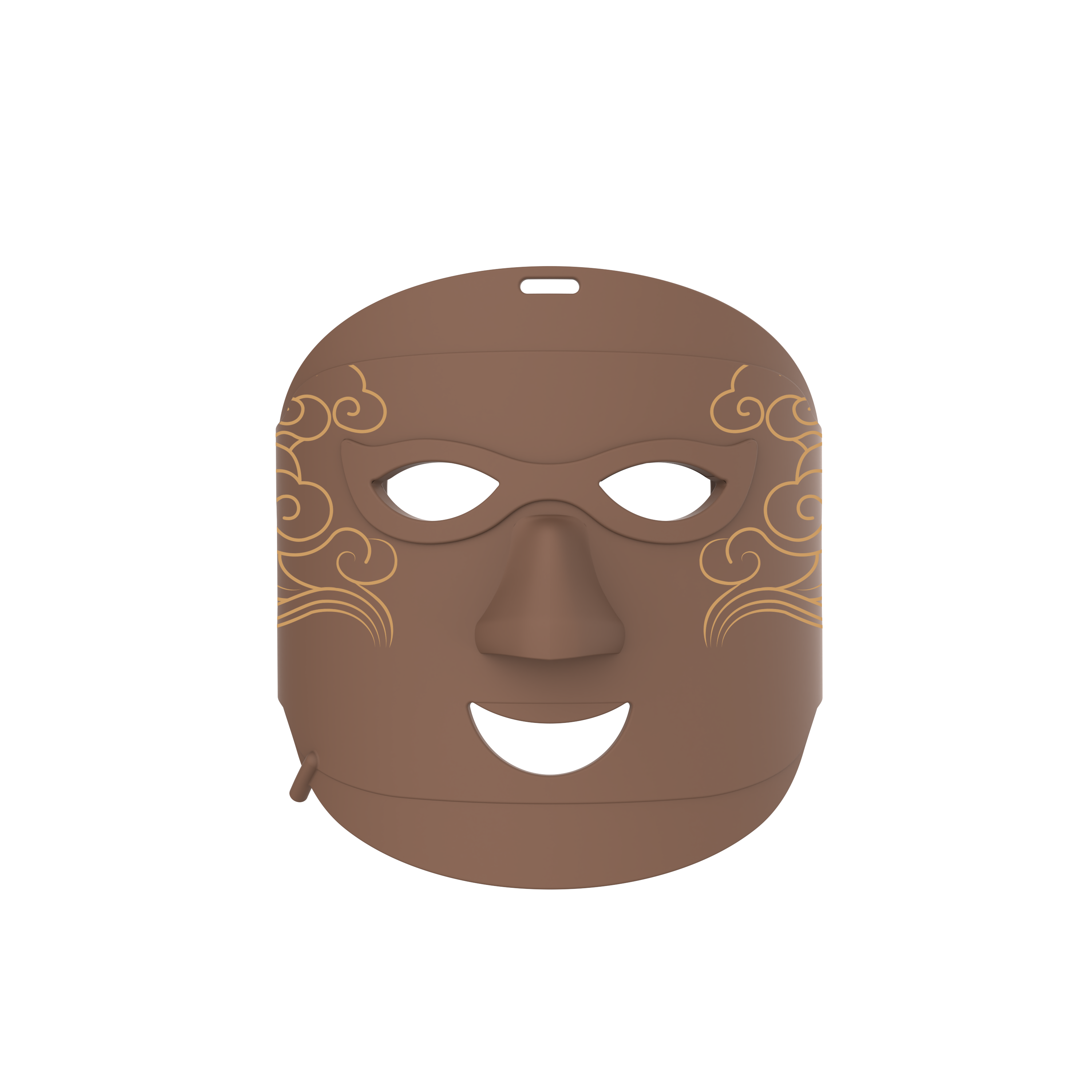
There is no single universally suitable number for every red light therapy device. For facial skincare, the most practical answer is usually a red-light band around 630–660 nm. Many devices also pair it with near-infrared (NIR) light around 830–850 nm. The right choice depends on the intended use, the complete light specification, and whether the device can be used consistently and comfortably—not on one impressive-looking wavelength alone.
As a technical adviser for home beauty devices, I start with the use goal and then compare the optical details. That matters because red light therapy is often marketed as a simple feature, while the useful buying decision is more nuanced: wavelength, irradiance, dose, treatment time, coverage, and safety instructions work together.
For an at-home face mask or handheld skincare device, a clearly disclosed wavelength in the 630–660 nm red range is a sensible starting point. Published product reviews and clinical-device examples commonly describe wavelengths close to 633 nm or 660 nm for visible red light. These bands are used in photobiomodulation research and are relevant to cosmetic skincare discussions such as the appearance of texture, fine lines, and overall skin radiance.
That does not mean 633 nm is automatically better than 660 nm, or that a device outside one exact number cannot be useful. Small differences in wavelength are less important than whether the manufacturer states a credible wavelength range, gives a complete use protocol, and supports the device with appropriate testing and responsible claims.
Red light is visible; near-infrared is not. A combination device may use visible red light around 630–660 nm together with NIR around 830–850 nm. In a product brief, this can make sense when a brand wants to address both a visible-light skincare experience and a broader photobiomodulation positioning. Still, red light therapy should not be presented as a medical cure, and NIR is not a reason to overpromise results.
Think of the two bands as part of a design choice rather than a hierarchy. For a consumer focused on a face-care routine, the visible red wavelength, coverage across facial contours, eye-comfort design, and a manageable schedule may be the deciding factors. For a brand team developing a broader device range, a red-plus-NIR configuration may be worth evaluating—but only alongside thermal management, output uniformity, and clear instructions.
This is where many comparisons go wrong. I used to spend too much time comparing the wavelength number in isolation. More accurately, a wavelength only tells you part of the story. Red light therapy performance and tolerability also depend on the following factors:
For that reason, a device claiming “660 nm red light therapy” without output, use-time, or distance information is harder to evaluate than one that publishes its basic specifications transparently. The most useful specification sheet lets a buyer understand what the number means in actual use.
Start by looking for visible red light around 630–660 nm, then compare comfort, coverage, and the manufacturer’s recommended schedule. A well-fitted mask with a straightforward timer can be more practical than a technically ambitious device that is awkward to use. If skin is irritated, unusually reactive, or being treated for a condition, pause and seek advice from a qualified clinician rather than increasing exposure.
Brands considering red light therapy as one function in a home beauty device should assess the configuration as a whole. It is reasonable to compare a red-only option with a red-plus-NIR option, but the decision should include LED binning consistency, heat control, electrical safety, user instructions, and the evidence behind every marketing statement. Beperfect’s home beauty device experience is relevant here: a consumer-facing wavelength claim needs to remain aligned with product validation and the target market’s advertising boundaries.
Do not assume that adding NIR makes a consumer device appropriate for every body concern. Device category, intended use, dose, and regulatory context matter. Claims about diagnosing, treating, or curing a disease require a different level of evidence and compliance review than cosmetic appearance claims. If a customer has a photosensitive condition, takes photosensitizing medication, has a history of skin reactions, or is unsure about a treatment plan, professional guidance is the safer next step.
For most facial red light therapy devices, choose a transparently specified red wavelength around 630–660 nm. If your product concept calls for a broader photobiomodulation configuration, consider pairing that red band with NIR around 830–850 nm—but evaluate the full device, not just the wavelength label. The better question is not “Which number is universally right?” It is “Which well-specified, comfortable, responsibly marketed device most closely fits the intended routine?”
Red light therapy is a design and usage system. A credible wavelength range, balanced output, a clear protocol, and careful safety communication give buyers a stronger basis for comparison than a single headline claim.

2026/10/30
Discover why in-house mold development helps an RF beauty device manufacturer improve product consistency, iteration speed, tooling control, and production readiness.

2026/10/30
Learn how to verify an RF beauty device manufacturer's R&D and prototyping capabilities using practical engineering workflows and audit checklists.

2026/10/30
Learn what shapes MOQ when choosing an RF beauty device manufacturer and how to plan a lower-risk first order with balanced platform and customization.

2026/10/30
Use this RF beauty device manufacturer evaluation checklist to compare safety evidence, OEM and ODM capability, quality control, and launch readiness.

2026/10/30
See how technology makes beauty at home more guided, consistent, and informed—plus a practical checklist for choosing devices wisely.

2026/10/30
Explore how AI and smart devices shape the future of beauty with responsive routines, clear guidance, trustworthy design, and user-controlled care.

Ideal for daily facial care routines, providing easy-to-use beauty solutions at home.

Perfect for spas and salons’ frequent treatments, enhancing client experiences and results.

Supports dermatologists with advanced devices for professional skin therapy sessions.

Delivers innovative solutions for full-body massage and relaxation with home devices.

Features anti-aging technologies to help reduce wrinkles and stimulate skin vitality.

Specialized devices for safe and effective hair removal suitable for home or clinic use.

Our customers love the Perfect Idea beauty devices. Quality, packaging, and results are all outstanding. We saw increased repeat sales after adding their facial cleansers to our lineup. Their support team is responsive and reliable.

Perfect Idea brings innovation and reliability to home beauty appliances. Our collaboration introduced their massage tools to Japanese women, boosting customer satisfaction and growing our brand trust across the region.

We partnered with Shenzhen Perfect Idea Tech for their beauty equipment. The shipping was fast and every product matched our expectations. Their home-use massagers are especially popular with local salons and home users.

The stylish packaging and attractive design make Perfect Idea stand out. French consumers appreciate the easy instructions and visible results. Communication was efficient and orders always arrived on time.

Perfect Idea home use personal care devices have become a favorite with our clients. The beauty device line offers quality at a reasonable price, and technical training for our staff made onboarding easy.

We selected Perfect Idea for our beauty product portfolio and have seen very positive feedback from our customers. Products are easy to market online and the customer support is reliable and helpful.
