 EN
Home Skincare
Ideal for daily facial care routines, providing easy-to-use beauty solutions at home.

2026/10/04
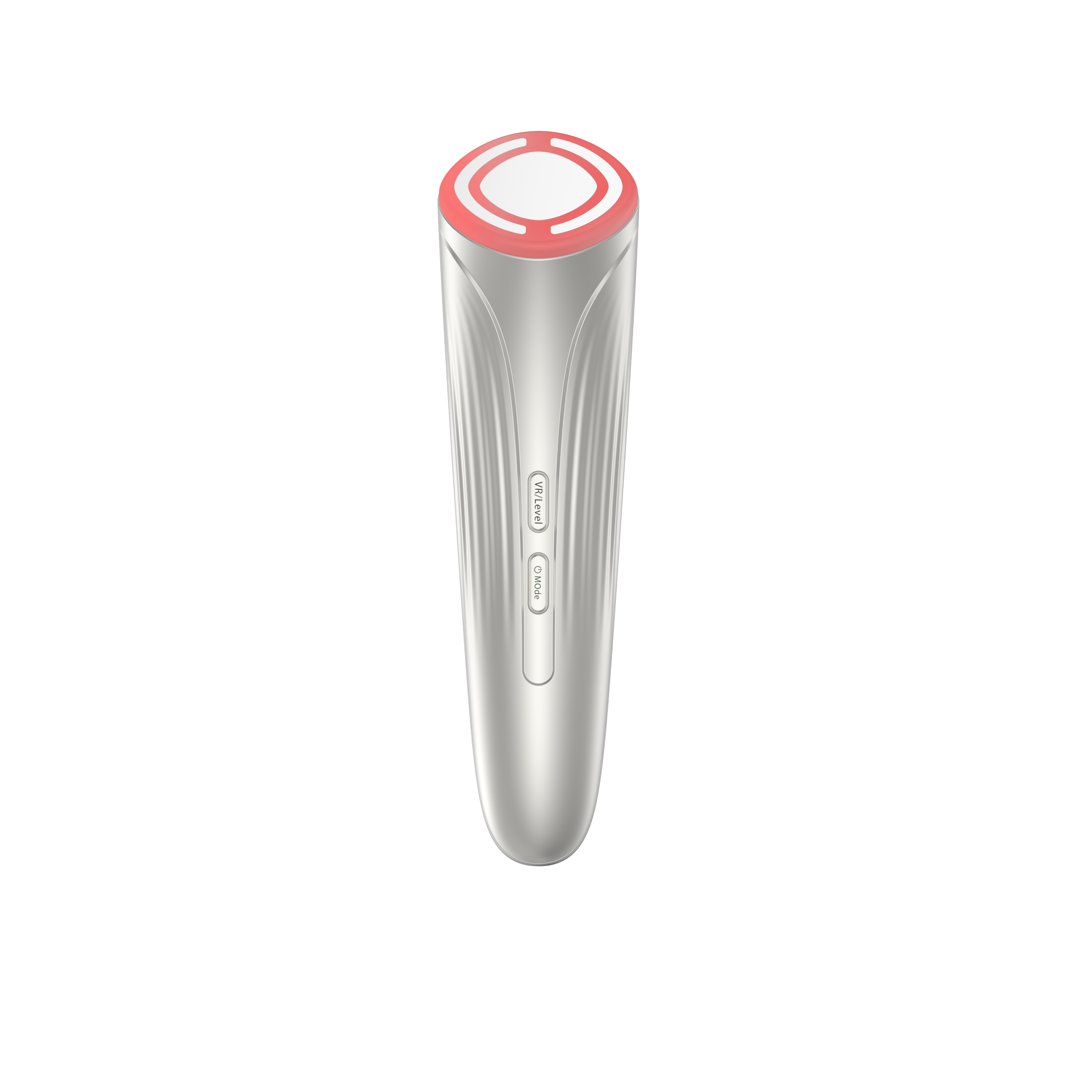
RF and EMS can appear side by side on the specifications of one beauty device, but they do not do the same job. RF, short for radiofrequency, is generally used to create controlled warmth in the skin. EMS, short for electrical muscle stimulation, sends small electrical impulses intended to make muscles contract. That difference matters when you are comparing a beauty device: one technology is usually chosen for a heat-based skin-care approach, while the other is chosen for a muscle-focused sensation or routine.
As a technical adviser who helps people compare home beauty tools, I start with the goal rather than the feature list. A beauty device can have more than one mode, yet a longer list of modes does not automatically make it the better fit. The useful question is: what tissue is the technology designed to interact with, and what can a user realistically expect from consistent, careful use?
| Technology | What it delivers | Primary target in a beauty device | What the session often feels like |
|---|---|---|---|
| RF | Radiofrequency energy that creates controlled heat | Skin and underlying tissue | Gradual warmth |
| EMS | Electrical impulses | Muscles | Gentle pulsing, tapping, or contraction |
In practical terms, RF and EMS are not interchangeable settings on a beauty device. RF is commonly discussed in connection with warmth and the appearance of firmer-looking skin. EMS is commonly discussed in connection with activating facial muscles. A combined beauty device may offer both so that a routine can address two different experiences, but it should not be described as delivering the same benefit twice.
RF uses electromagnetic energy to generate heat. In a noninvasive home beauty device, the aim is controlled, comfortable warming rather than an aggressive treatment. The feel is usually gradual: the skin becomes warm as the head moves across it. Keeping the applicator in motion and following the stated treatment time are important because heat is the central part of the RF mechanism.
The distinction is easy to miss because “RF” sounds electrical, but it is not a muscle-contraction mode in the EMS sense. The heat-based approach is why an RF beauty device is often considered by people whose priority is a skin-focused routine and a temporary feeling of warmth or a smoother-looking surface. Results, if any, are not a substitute for medical care and vary with the product, skin condition, routine, and expectations.
It is also essential not to confuse a consumer RF beauty device with RF microneedling. Microneedling devices use needles to deliver energy into tissue and fall into a different, professional-procedure context. The FDA specifically warns that RF microneedling is a medical procedure and should not be used at home. The name “RF” alone is not enough to judge what a product does or how it should be used.
EMS uses small electrical impulses to encourage muscles to contract. On the face, an EMS beauty device may feel like rhythmic tapping, tiny twitches, or a mild lifting sensation. The sensation can be more noticeable than RF because the intended target is muscle activity rather than warmth in the skin.
That does not make EMS a shortcut to dramatic changes. The U.S. Food and Drug Administration explains that electrical stimulation can cause muscles to contract, while also cautioning consumers about exaggerated body-shaping and weight-loss claims. For a facial beauty device, sensible language is equally important: EMS may be part of a carefully designed at-home routine, but its claims, indications, and instructions must match the particular product.
Conductive gel or a water-based medium is often specified for an EMS beauty device. It is not an optional styling detail. It helps provide an even interface between the electrodes and the skin, reducing unpleasant sharp sensations and supporting the use instructions. If a device manual calls for gel, use the recommended type and do not improvise with a product that is not intended for electrical conductivity.
Use this comparison as a starting point, not as a promise of a cosmetic outcome.
A common mistake is to select the highest stated intensity or the most functions. In home care, stronger is not automatically more suitable. A beauty device that feels manageable, fits your schedule, and is used exactly as directed is more useful than one with settings you avoid after the first week.
Some products combine RF and EMS in one beauty device, either in a single protocol or in separate modes. Whether they can be used in the same session depends on the specific manual. Do not assume that two technologies may be layered simply because they appear on the same product page. Follow the device’s sequence, session length, and frequency limits; manufacturers may use different electrode designs, heat controls, and treatment programs.
If you are new to a combined beauty device, begin at the lowest comfortable EMS level and use the RF setting only for the prescribed time. Check your skin during and after the session. Persistent discomfort, pronounced redness, burning, or an unusual reaction is a reason to stop using it and seek appropriate professional advice.
Every beauty device should come with its own contraindications, and they are more important than generic online tips. Read the manual before charging or treating any area. Do not use damaged cables, cracked treatment heads, or an unapproved power source. Avoid applying a beauty device over irritated, broken, or recently treated skin unless the product guidance clearly allows it.
For EMS, people with implanted electronic devices or other relevant medical considerations should ask a qualified clinician before use. For RF, the same principle applies: pause and get individualized advice if you have a condition, implant, medication, or recent procedure that could make heat-based treatment unsuitable. Pregnancy, active skin conditions, and recent aesthetic treatments are also reasons to consult the product guidance and, when needed, a clinician.
Finally, distinguish marketing from instructions. A responsibly designed beauty device should state what its modes are for, how often to use them, and when not to use them. If that information is vague, missing, or contradicts the manual, it is a reason to step back rather than increase the intensity.
The clearest way to remember the difference is this: RF in a beauty device is mainly a controlled-heat technology for a skin-focused experience, while EMS is an electrical-stimulation technology that produces muscle contractions. They can complement each other in a combined product, but they are not duplicates. Choose based on the mechanism that matches your goal, use only the stated settings and accessories, and keep your expectations practical.

2026/10/30
Discover why in-house mold development helps an RF beauty device manufacturer improve product consistency, iteration speed, tooling control, and production readiness.

2026/10/30
Learn how to verify an RF beauty device manufacturer's R&D and prototyping capabilities using practical engineering workflows and audit checklists.

2026/10/30
Learn what shapes MOQ when choosing an RF beauty device manufacturer and how to plan a lower-risk first order with balanced platform and customization.

2026/10/30
Use this RF beauty device manufacturer evaluation checklist to compare safety evidence, OEM and ODM capability, quality control, and launch readiness.

2026/10/30
See how technology makes beauty at home more guided, consistent, and informed—plus a practical checklist for choosing devices wisely.

2026/10/30
Explore how AI and smart devices shape the future of beauty with responsive routines, clear guidance, trustworthy design, and user-controlled care.

Ideal for daily facial care routines, providing easy-to-use beauty solutions at home.

Perfect for spas and salons’ frequent treatments, enhancing client experiences and results.

Supports dermatologists with advanced devices for professional skin therapy sessions.

Delivers innovative solutions for full-body massage and relaxation with home devices.

Features anti-aging technologies to help reduce wrinkles and stimulate skin vitality.

Specialized devices for safe and effective hair removal suitable for home or clinic use.

Our customers love the Perfect Idea beauty devices. Quality, packaging, and results are all outstanding. We saw increased repeat sales after adding their facial cleansers to our lineup. Their support team is responsive and reliable.

Perfect Idea brings innovation and reliability to home beauty appliances. Our collaboration introduced their massage tools to Japanese women, boosting customer satisfaction and growing our brand trust across the region.

We partnered with Shenzhen Perfect Idea Tech for their beauty equipment. The shipping was fast and every product matched our expectations. Their home-use massagers are especially popular with local salons and home users.

The stylish packaging and attractive design make Perfect Idea stand out. French consumers appreciate the easy instructions and visible results. Communication was efficient and orders always arrived on time.

Perfect Idea home use personal care devices have become a favorite with our clients. The beauty device line offers quality at a reasonable price, and technical training for our staff made onboarding easy.

We selected Perfect Idea for our beauty product portfolio and have seen very positive feedback from our customers. Products are easy to market online and the customer support is reliable and helpful.
