 EN
Home Skincare
Ideal for daily facial care routines, providing easy-to-use beauty solutions at home.

2026/09/28
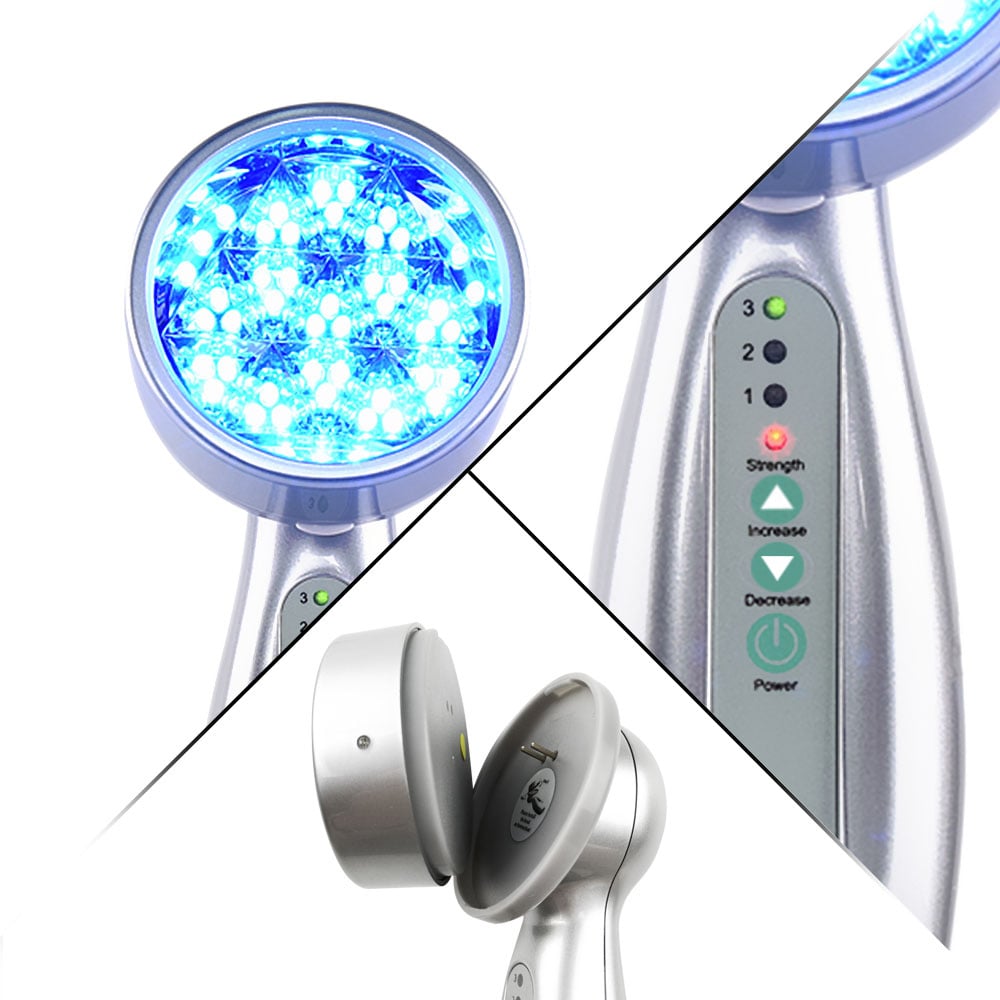
Choosing an LED light therapy mask can feel confusing because red and blue settings are often presented as if one color is simply “better.” They are not interchangeable. Each color represents a different wavelength range and is typically used with a different skin goal in mind. The useful question is not which color wins; it is which concern you want to prioritize and whether an at-home device fits your routine and skin situation.
As a practical starting point, think beyond the price or the number of colors on a control panel. Consistent use, realistic expectations, fit, eye protection, and the device instructions usually matter more than a long feature list. This guide explains where red and blue light differ, why some masks combine them, and how to make a sensible choice.
A red setting on an LED mask is commonly associated with skin-support and visible-ageing concerns, such as the appearance of fine lines, dullness, or uneven-looking texture. Red light is generally described in the visible red range, often around the low-to-mid 600-nanometre area; it travels farther into skin than blue visible light.
Blue light is usually selected for acne-prone skin and active blemishes. Blue LED treatments are commonly discussed around the 400-nanometre range, with roughly 415 nm often used in acne-light research. Its role is linked to light-sensitive compounds associated with Cutibacterium acnes, a bacterium involved in acne. That does not mean blue light is a cure for every breakout or acne scar, but it helps explain why the blue mode is framed differently from the red mode.
| Mask setting | Typical focus | What to keep in mind |
|---|---|---|
| Red light | Fine lines, overall skin-support routines, and a healthier-looking complexion | Changes tend to be gradual and depend on regular use and the individual. |
| Blue light | Acne-prone skin and active blemish routines | It is not a substitute for a clinician-led acne plan when acne is painful, widespread, or scarring. |
| Red + blue | Breakouts with visible redness or an interest in both goals | A combination is not automatically more effective; treatment schedule and tolerability still matter. |
“Red” and “blue” are simplified labels. What matters technically is the wavelength delivered, the dose, the treatment time, and how uniformly the mask sits against your face. Two masks can both advertise red light yet have different specifications and instructions. A responsible product page or manual should tell you the wavelengths, intended session length, contraindications, and eye-safety guidance.
Blue light tends to act more superficially, which aligns with its usual acne-focused positioning. Red light reaches relatively deeper. In acne discussions, blue and red light are sometimes paired because the proposed effects are complementary: blue is used for its relationship to acne-associated bacteria, while red is often discussed in relation to visible inflammation. These are mechanisms and treatment rationales, not guarantees of a particular result.
If your priority is the appearance of fine lines, a less vibrant complexion, or maintaining a consistent skin-care routine, a red-capable LED light therapy mask may be the more relevant starting point. Expect subtle, cumulative changes rather than an overnight transformation. It also makes sense to assess whether you can realistically follow the recommended schedule for several weeks.
If you mainly want help with occasional mild breakouts or acne-prone areas, blue capability may be more relevant. Keep the rest of your routine gentle, especially if you use potentially irritating acne actives. If your skin barrier is already irritated, peeling, or unusually sensitive, pause and seek individualized advice before adding another treatment step.
Many people have a mix of concerns: an adult breakout pattern alongside visible redness or early fine lines. A mask with separate red and blue modes can offer flexibility, provided the instructions clearly explain when and how to use each setting. Do not assume that running every mode in one session will improve results. Follow the manufacturer’s schedule rather than extending sessions on your own.
For many people, the most useful LED light therapy mask is the one they can use exactly as directed, rather than the one with the most ambitious marketing language. Treat red and blue sessions as a planned part of skin care: cleanse first, use the prescribed session length, and record any irritation or breakout changes over several weeks. This makes it easier to tell whether the LED light therapy mask suits your skin rather than reacting to one unusually good or bad day.
Keep expectations separate for each mode. A red LED light therapy mask session is usually chosen to support a gradual appearance-focused routine, whereas blue sessions are typically selected when blemishes are the immediate concern. If your device includes both, follow its instructions about sequence and frequency. More time under an LED light therapy mask is not necessarily more beneficial, and combining it with harsh exfoliants on the same day may be uncomfortable for sensitive skin.
An LED light therapy mask is a noninvasive cosmetic or skin-care tool, but “noninvasive” does not mean suitable for everyone. Clean, dry skin and adherence to the device manual are sensible basics. Avoid using a mask over open wounds unless the instructions and a clinician say otherwise. Stop if you notice persistent discomfort, unusual irritation, headaches, or an eye-related symptom.
For stubborn acne, deep painful lesions, pigment changes, rosacea flares, or concerns that affect your confidence, an appointment with a dermatologist can clarify whether light therapy belongs in your plan. It is especially important not to delay medical care while waiting for a home device to solve a condition that needs diagnosis or prescription treatment.
Red and blue settings in an LED light therapy mask are different tools. Red light is usually chosen for overall skin-support and visible-ageing goals, while blue light is most often associated with acne-prone skin and active blemishes. A combined mask can be practical when your concerns overlap, but a sensible choice has transparent specifications, clear safety instructions, comfortable fit, and a routine you can follow consistently. Treat the mask as one part of thoughtful skin care, not as a replacement for professional advice when symptoms are persistent or severe.

2026/10/30
Discover why in-house mold development helps an RF beauty device manufacturer improve product consistency, iteration speed, tooling control, and production readiness.

2026/10/30
Learn how to verify an RF beauty device manufacturer's R&D and prototyping capabilities using practical engineering workflows and audit checklists.

2026/10/30
Learn what shapes MOQ when choosing an RF beauty device manufacturer and how to plan a lower-risk first order with balanced platform and customization.

2026/10/30
Use this RF beauty device manufacturer evaluation checklist to compare safety evidence, OEM and ODM capability, quality control, and launch readiness.

2026/10/30
See how technology makes beauty at home more guided, consistent, and informed—plus a practical checklist for choosing devices wisely.

2026/10/30
Explore how AI and smart devices shape the future of beauty with responsive routines, clear guidance, trustworthy design, and user-controlled care.

Ideal for daily facial care routines, providing easy-to-use beauty solutions at home.

Perfect for spas and salons’ frequent treatments, enhancing client experiences and results.

Supports dermatologists with advanced devices for professional skin therapy sessions.

Delivers innovative solutions for full-body massage and relaxation with home devices.

Features anti-aging technologies to help reduce wrinkles and stimulate skin vitality.

Specialized devices for safe and effective hair removal suitable for home or clinic use.

Our customers love the Perfect Idea beauty devices. Quality, packaging, and results are all outstanding. We saw increased repeat sales after adding their facial cleansers to our lineup. Their support team is responsive and reliable.

Perfect Idea brings innovation and reliability to home beauty appliances. Our collaboration introduced their massage tools to Japanese women, boosting customer satisfaction and growing our brand trust across the region.

We partnered with Shenzhen Perfect Idea Tech for their beauty equipment. The shipping was fast and every product matched our expectations. Their home-use massagers are especially popular with local salons and home users.

The stylish packaging and attractive design make Perfect Idea stand out. French consumers appreciate the easy instructions and visible results. Communication was efficient and orders always arrived on time.

Perfect Idea home use personal care devices have become a favorite with our clients. The beauty device line offers quality at a reasonable price, and technical training for our staff made onboarding easy.

We selected Perfect Idea for our beauty product portfolio and have seen very positive feedback from our customers. Products are easy to market online and the customer support is reliable and helpful.
