 EN
Home Skincare
Ideal for daily facial care routines, providing easy-to-use beauty solutions at home.

2026/10/28
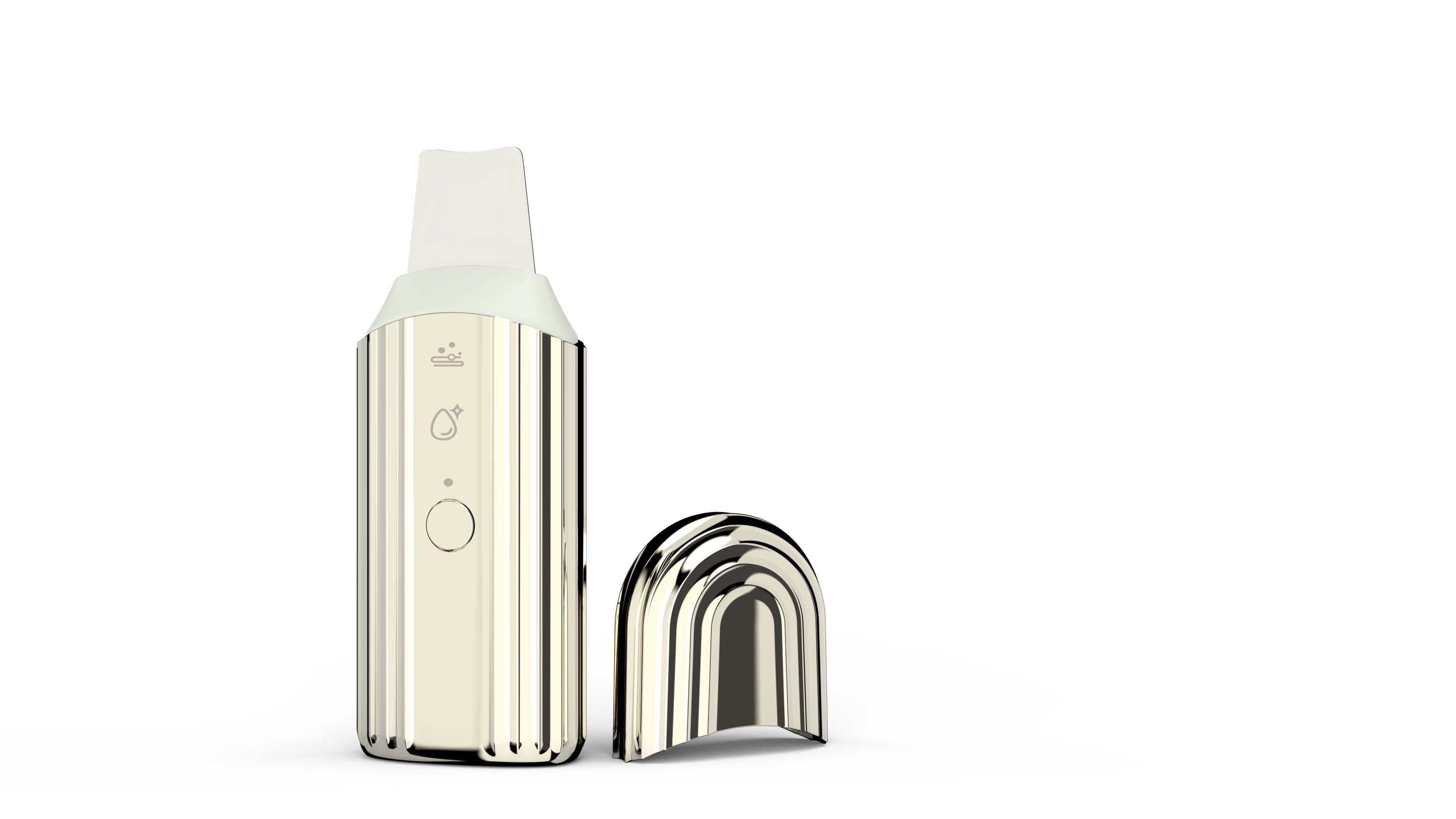
A collagen RF treatment device can be part of a carefully managed aesthetic service, but it should be treated as a controlled clinical tool, not a plug-in-and-go tool. A clinic needs a repeatable safety system that starts before the appointment, continues through every pass, and ends with clear follow-up and incident documentation. This article is operational guidance for trained clinic teams; it does not replace the device’s instructions for use (IFU), local law, or a qualified clinician’s judgment.
From a brand-procurement and clinic-operations perspective, the safer choice is usually not the device with the most aggressive-looking claims. It is the one the team can operate consistently within its labeled indications, documented settings, training plan, and escalation pathway. That distinction matters whether the clinic uses a collagen RF treatment device for non-invasive skin-warming procedures or evaluates a radio frequency skin tightening device for a professional protocol.
“RF” is a technology category, not one universal treatment. Before scheduling patients, identify the exact model, handpiece, energy-delivery method, consumables, approved treatment areas, contraindications, and operator qualifications stated in the IFU. A protocol for a non-invasive collagen RF treatment device cannot be assumed to apply to RF microneedling or another energy-based modality.
Build a device-specific treatment card from the IFU. It should define approved zones, coupling-medium requirements, maximum passes, interval or cooling instructions, approved accessories, cleaning method, and stop conditions. If a setting, attachment, or treatment area is not addressed by the manufacturer, the clinic should not invent a workaround. Contact the manufacturer or the responsible clinical lead first.
A short consent signature is not a screening process. Before each session, a trained clinician should review the patient’s current condition and determine whether treatment is appropriate that day. The intake should be updated rather than copied forward automatically.
Many teams focus on parameter selection first. In practice, screening is the control that prevents a poorly matched treatment from reaching the parameter-selection stage at all. If information is incomplete or the clinician has concerns, postpone and obtain an appropriate assessment rather than trying to “use a gentler setting.”
Use a pre-use checklist that can be completed and signed or recorded in the patient file. Check the collagen RF treatment device for visible damage, cable strain, missing parts, unusual heat, alerts, maintenance-due notices, and correct handpiece connection. Confirm that the selected consumables, conductive medium, and disinfectants are compatible with the manufacturer’s instructions.
The operator should be trained and authorized for that exact device and treatment type, not merely familiar with RF in general. Keep records of onboarding, supervised cases where required, refresher training, and IFU updates. A portable RF beauty device used in a professional setting still requires a protocol appropriate to its intended use and the local scope-of-practice rules; portability does not lower the safety standard.
Prepare the room so supplies, emergency contacts, and documentation tools are immediately accessible. Apply standard precautions and the level of protective equipment required by the procedure and local infection-control rules. For treatments that disrupt the skin barrier, the infection-control and sharps-handling pathway must be more stringent than for a non-invasive surface treatment.
Safe RF treatment depends on controlled energy delivery, skin response, and communication—not on chasing a particular feeling of heat. Start with the device-specific baseline settings and adapt only within the IFU and the clinician’s assessment. Use the prescribed coupling medium and keep the handpiece moving when the instructions require it. Avoid repeated passes in one small area simply because the result is not immediately visible.
During the session, the operator should check in frequently: “Is the sensation comfortable and even?” Observe the skin as well as the patient’s verbal response. Stop immediately for sharp pain, escalating discomfort, abnormal whitening or discoloration, blistering, unexpected swelling, equipment alarms, or any response outside the clinic’s normal pathway. Do not continue in the hope that the symptom will settle after one more pass.
Documentation should capture the treatment zone, handpiece or consumable, approved settings used, duration or pass count if relevant, skin observations, patient feedback, and the operator’s name. That record supports a consistent handover and gives the clinic a basis for later review. It also supports safe consistency when different qualified staff members use the same radio frequency skin tightening device.
Do not blur non-invasive RF treatment and RF microneedling in staff training or patient messaging. RF microneedling involves additional risks because it combines energy delivery with skin penetration. Public safety communications have highlighted reports of serious complications with certain RF microneedling uses, including burns, scarring, fat loss, disfigurement, and nerve damage. Those reports are a reason to strengthen—not shortcut—patient selection, device-specific training, infection prevention, and adverse-event escalation.
For an RF microneedling procedure, the clinic should use an approved sterile workflow, assess contraindications and skin integrity carefully, control sharps and single-use components, and follow the manufacturer’s directions for depth, energy, passes, and post-treatment care. A non-invasive collagen RF treatment device protocol is not a substitute for this pathway.
Before the patient leaves, review the expected course and provide written aftercare that is specific to the procedure performed. Include permitted skin-care steps, sun-exposure precautions where relevant, activities or products to avoid for the stated recovery period, and a phone number or contact route for concerns. Use plain language. “Call if anything feels wrong” is too vague; describe the symptoms that require prompt contact or clinical assessment.
Plan a follow-up process for treatments with a meaningful recovery period or higher-risk profile. The team should be able to identify who is responsible for returning calls, how urgent issues are triaged, and when the treating clinician must be involved. A skin tightening beauty device may look routine in the room, but the aftercare pathway is part of the treatment—not an optional add-on.
A mature clinic protocol spells out what happens when treatment does not go as planned. Stop the procedure, assess the patient, provide first response within the team’s scope, notify the designated clinical lead, and arrange urgent referral when indicated. Preserve the treatment record, device information, consumable lot information where relevant, and photographs only with appropriate consent and privacy handling. Follow local reporting requirements and the manufacturer’s complaint or vigilance process when applicable.
Separate clinical incidents from equipment issues, but investigate both. Quarantine equipment when damage, a malfunction, or an unexplained alarm could affect safety. Maintain preventive-maintenance records, software or firmware update logs where applicable, calibration or service documentation when required, and a process for checking manufacturer safety notices.
The safest clinic use of a collagen RF treatment device comes from a documented system: device-specific training, careful patient selection, conservative IFU-based operation, active monitoring, reliable records, and a prepared escalation process. Clinics and brand teams should review this system whenever the device, consumable, indication, staff roster, or manufacturer guidance changes. For professional use, a strong protocol protects patients, supports operators, and makes quality easier to repeat.

2026/10/30
Discover why in-house mold development helps an RF beauty device manufacturer improve product consistency, iteration speed, tooling control, and production readiness.

2026/10/30
Learn how to verify an RF beauty device manufacturer's R&D and prototyping capabilities using practical engineering workflows and audit checklists.

2026/10/30
Learn what shapes MOQ when choosing an RF beauty device manufacturer and how to plan a lower-risk first order with balanced platform and customization.

2026/10/30
Use this RF beauty device manufacturer evaluation checklist to compare safety evidence, OEM and ODM capability, quality control, and launch readiness.

2026/10/30
See how technology makes beauty at home more guided, consistent, and informed—plus a practical checklist for choosing devices wisely.

2026/10/30
Explore how AI and smart devices shape the future of beauty with responsive routines, clear guidance, trustworthy design, and user-controlled care.

Ideal for daily facial care routines, providing easy-to-use beauty solutions at home.

Perfect for spas and salons’ frequent treatments, enhancing client experiences and results.

Supports dermatologists with advanced devices for professional skin therapy sessions.

Delivers innovative solutions for full-body massage and relaxation with home devices.

Features anti-aging technologies to help reduce wrinkles and stimulate skin vitality.

Specialized devices for safe and effective hair removal suitable for home or clinic use.

Our customers love the Perfect Idea beauty devices. Quality, packaging, and results are all outstanding. We saw increased repeat sales after adding their facial cleansers to our lineup. Their support team is responsive and reliable.

Perfect Idea brings innovation and reliability to home beauty appliances. Our collaboration introduced their massage tools to Japanese women, boosting customer satisfaction and growing our brand trust across the region.

We partnered with Shenzhen Perfect Idea Tech for their beauty equipment. The shipping was fast and every product matched our expectations. Their home-use massagers are especially popular with local salons and home users.

The stylish packaging and attractive design make Perfect Idea stand out. French consumers appreciate the easy instructions and visible results. Communication was efficient and orders always arrived on time.

Perfect Idea home use personal care devices have become a favorite with our clients. The beauty device line offers quality at a reasonable price, and technical training for our staff made onboarding easy.

We selected Perfect Idea for our beauty product portfolio and have seen very positive feedback from our customers. Products are easy to market online and the customer support is reliable and helpful.
