 EN
Home Skincare
Ideal for daily facial care routines, providing easy-to-use beauty solutions at home.

2026/09/24
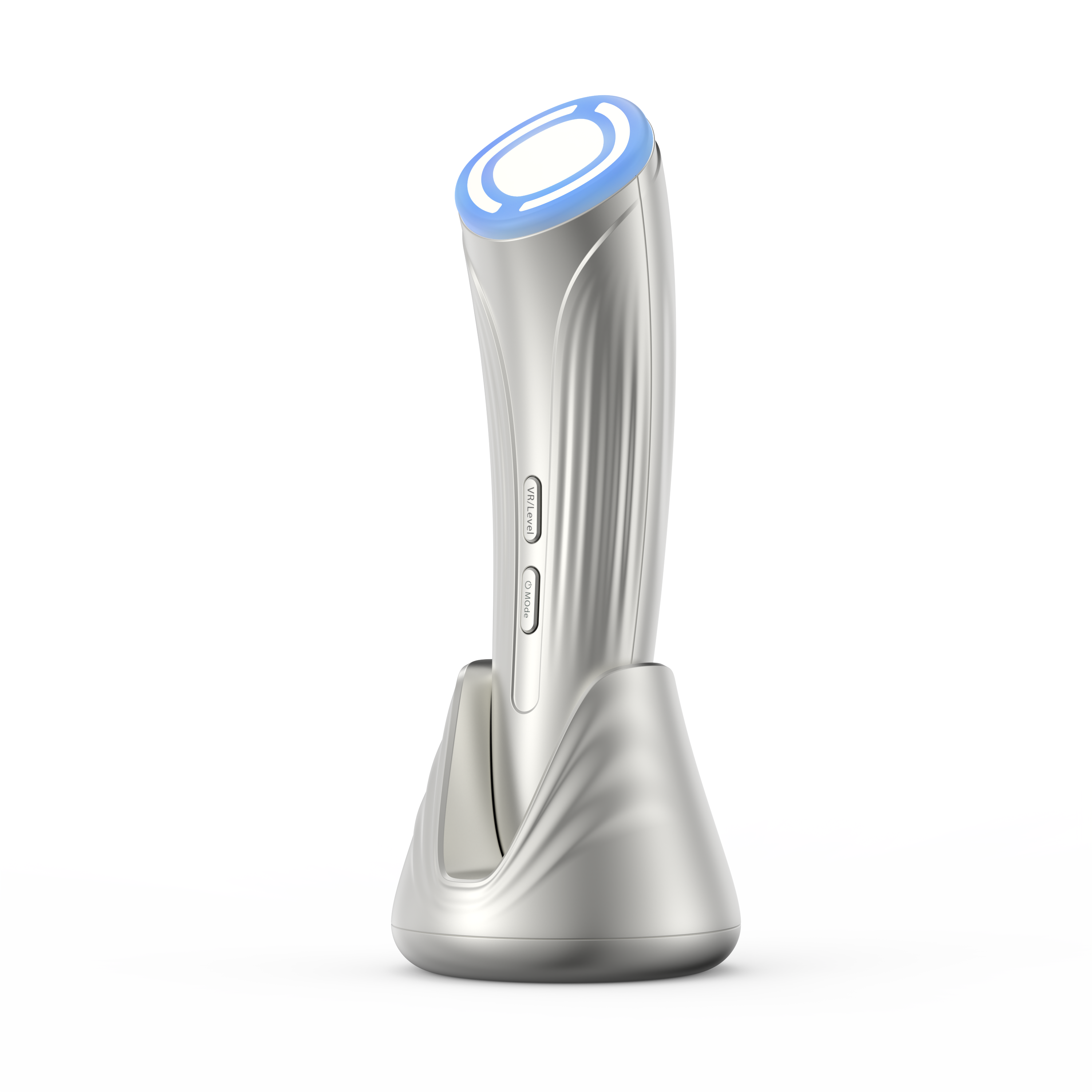
At-home EMS face devices use mild electrical stimulation designed to make facial muscles contract. They are not interchangeable with every other beauty tool, and the safest routine is not the strongest or longest one. A cautious approach starts with the manufacturer’s instructions, a clean contact surface, conservative settings, and a willingness to stop when something feels wrong.
As a practical skin-management rule, treat an EMS face session as a controlled device treatment rather than an extra step to add casually to an already busy routine. The points below are general safety guidance; the manual supplied with your specific device takes priority.
Before the first use, read the contraindications and warnings in the device manual from start to finish. Do not assume that a device is suitable simply because it is marketed for home use. An EMS face device sends electrical current through contact points, so individual health conditions and implanted equipment matter.
This screening step is not about being alarmist. It helps you separate normal cosmetic use from situations where individual medical advice is the safer route.
Most EMS face tools need a water-based conductive gel or the medium specified by the manufacturer. It helps the device maintain even contact and can reduce an abrupt, prickly sensation. Apply enough product to keep the treatment heads moving smoothly, but do not substitute a random oil, thick balm, or a dry surface unless the instructions permit it.
Begin with clean, dry hands and clean device heads. Remove makeup and skincare residue that could interfere with contact. If you introduce a new gel, do a small skin patch test first when the formula instructions recommend one. Keep the device and charging connection away from water unless its rating and manual expressly allow otherwise.
Use only the areas and movement paths shown in the manual. Facial anatomy is compact, and “more coverage” is not automatically better. Keep stimulation away from the front and sides of the neck, the throat, the eye area, mucous membranes, and any region the manufacturer marks as off-limits. Avoid placing an EMS face device directly over a prominent bone, an irritated spot, or a location that produces a sharp sensation.
Hold the electrodes flat enough to make full contact. If the device loses contact, lower the intensity, add the recommended gel if needed, and reposition it. Do not repeatedly jab, press hard, or chase a stronger sensation. A consistent, controlled glide is safer than forceful pressure.
For a first session, choose the lowest setting and the shortest recommended program. A gentle, rhythmic muscle response may be expected with some devices. Pain, burning, persistent tingling, dizziness, a headache, facial weakness, or skin discoloration are not signs that the session is “working harder.” Stop immediately, remove the device, and review the manual.
Do not extend a program, stack multiple EMS face sessions in one day, or combine devices just because you want faster results. Follow the stated treatment frequency and allow skin and muscles time to recover. If you are also using exfoliating acids, retinoids, strong treatments, or another energy-based beauty device, check whether the product instructions advise spacing them apart. When in doubt, simplify the routine.
Look at the treatment area after every use. Mild temporary redness can occur with some routines, but it should not be ignored if it is intense, painful, spreading, blistering, or long-lasting. Wash off the conductive medium according to its directions and clean the device heads after they have cooled and been switched off.
Stop use and contact a healthcare professional promptly if you experience severe pain, swelling, persistent numbness, an allergic-looking reaction, or symptoms that concern you. For a mild unexpected reaction, do not restart the device until the skin has returned to normal and you understand the likely cause. Keep a note of the setting, product used, and placement so you can troubleshoot accurately.
For brands and buyers evaluating home beauty devices, practical safety information is part of responsible product design. Clear contraindications, placement diagrams, session limits, care instructions, and realistic stop-use guidance help users make better decisions. BEPERFECT, a home beauty device OEM/ODM factory, can support product-development conversations around usable instructions and consumer-oriented device documentation; the final claims, indications, and safety labeling should match the specific product and its applicable requirements.
An EMS face device is safest when you use the exact instructions, start gently, keep contact and placement controlled, and respect contraindications. Do not use discomfort as a performance metric. If your health status, skin condition, or recent cosmetic procedure makes the answer unclear, pause and obtain qualified advice before continuing.

2026/10/30
Discover why in-house mold development helps an RF beauty device manufacturer improve product consistency, iteration speed, tooling control, and production readiness.

2026/10/30
Learn how to verify an RF beauty device manufacturer's R&D and prototyping capabilities using practical engineering workflows and audit checklists.

2026/10/30
Learn what shapes MOQ when choosing an RF beauty device manufacturer and how to plan a lower-risk first order with balanced platform and customization.

2026/10/30
Use this RF beauty device manufacturer evaluation checklist to compare safety evidence, OEM and ODM capability, quality control, and launch readiness.

2026/10/30
See how technology makes beauty at home more guided, consistent, and informed—plus a practical checklist for choosing devices wisely.

2026/10/30
Explore how AI and smart devices shape the future of beauty with responsive routines, clear guidance, trustworthy design, and user-controlled care.

Ideal for daily facial care routines, providing easy-to-use beauty solutions at home.

Perfect for spas and salons’ frequent treatments, enhancing client experiences and results.

Supports dermatologists with advanced devices for professional skin therapy sessions.

Delivers innovative solutions for full-body massage and relaxation with home devices.

Features anti-aging technologies to help reduce wrinkles and stimulate skin vitality.

Specialized devices for safe and effective hair removal suitable for home or clinic use.

Our customers love the Perfect Idea beauty devices. Quality, packaging, and results are all outstanding. We saw increased repeat sales after adding their facial cleansers to our lineup. Their support team is responsive and reliable.

Perfect Idea brings innovation and reliability to home beauty appliances. Our collaboration introduced their massage tools to Japanese women, boosting customer satisfaction and growing our brand trust across the region.

We partnered with Shenzhen Perfect Idea Tech for their beauty equipment. The shipping was fast and every product matched our expectations. Their home-use massagers are especially popular with local salons and home users.

The stylish packaging and attractive design make Perfect Idea stand out. French consumers appreciate the easy instructions and visible results. Communication was efficient and orders always arrived on time.

Perfect Idea home use personal care devices have become a favorite with our clients. The beauty device line offers quality at a reasonable price, and technical training for our staff made onboarding easy.

We selected Perfect Idea for our beauty product portfolio and have seen very positive feedback from our customers. Products are easy to market online and the customer support is reliable and helpful.
