 EN
Home Skincare
Ideal for daily facial care routines, providing easy-to-use beauty solutions at home.

2026/09/27
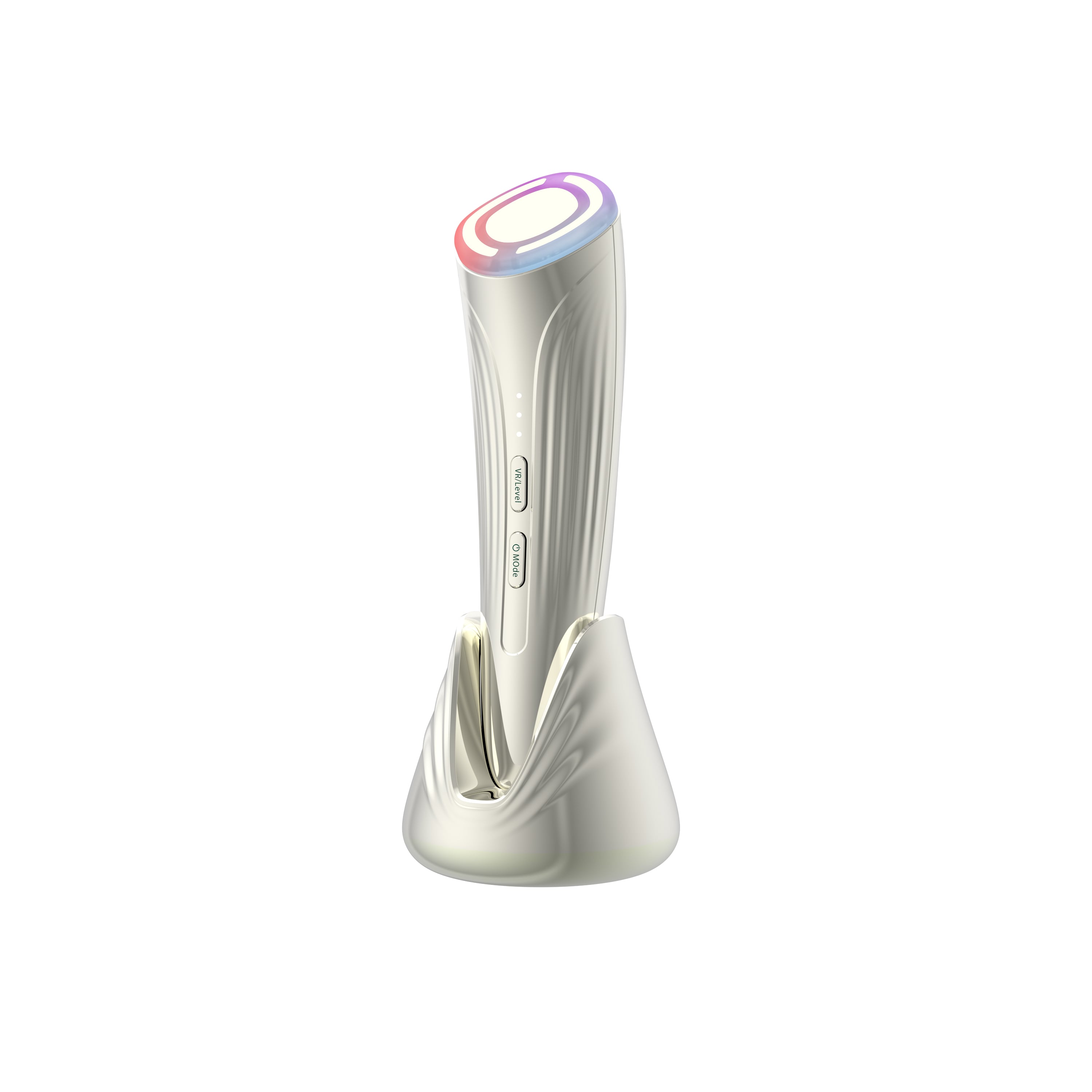
At-home LED therapy devices can make a skincare routine feel more deliberate, but light-based care still deserves a careful setup. A mask, panel, wand, or cap should be treated as a consumer device with defined instructions—not as a substitute for a dermatologist or a way to self-treat a medical condition. The safest approach is simple: choose a device made for the concern you have, use it only as directed, protect your eyes when the manufacturer requires it, and stop if your skin reacts poorly.
For most people, led therapy is a non-UV light approach used in skincare and personal-care routines. Short-term use of red-light devices appears to have a favorable safety profile, yet “generally safe” is not the same as “right for everyone” or “safe at any dose.” The device label, your health history, and the condition of your skin all matter.
Before using led therapy, read the full instructions, contraindications, charging guidance, and cleaning directions. The intended use should match the concern you want to address. A device marketed for cosmetic facial use is not automatically appropriate for an eye condition, a painful joint, an open wound, or a new rash.
If you are shopping in the United States, FDA-cleared wording can be useful context. It means the device has been reviewed through a clearance pathway for a particular intended use and is generally considered low risk in that context. It does not prove every advertised result, and it does not remove the need to follow the manufacturer’s limits. Be cautious with vague phrases such as “FDA certified” or with claims that promise a cure.
Safe led therapy starts with a device-specific routine. Use led therapy only for the session length in the manual, and use led therapy on the treatment area named in the instructions. Do not turn a cosmetic led therapy routine into an all-day exposure or a substitute for medical care.
Before each led therapy session, check the device, clean the contact surfaces, and set up the required eye protection. During led therapy, stay at the distance and angle the manufacturer describes. After led therapy, note any unexpected warmth, redness, itching, or visual discomfort instead of increasing the next session.
When choosing led therapy, prioritize a clear manual, a defined intended use, and transparent safety information. Reliable led therapy instructions explain who should avoid treatment, how often to use it, how to clean it, and when to stop. If those details are missing, postpone led therapy until you can verify them.
People who use topical actives, prescription medicines, or other energy-based treatments should confirm that their plan is compatible with led therapy. A clinician can help decide whether led therapy should be delayed after a procedure or avoided because of a light-sensitive condition. This precaution matters more than trying to make led therapy fit a fixed skincare schedule.
Consistency means following safe instructions, not accumulating extra exposure. Keep a record of led therapy sessions if you are testing a new device or have reactive skin; it can help a dermatologist assess a reaction.
Eye safety is one of the most important parts of at-home led therapy. Avoid looking directly into illuminated LEDs. Follow the device-specific instructions about goggles, eye inserts, closed eyes, and positioning. This is especially important with devices that include blue light or are used close to the face.
Use only the protective eyewear supplied or recommended for that exact device. Do not assume ordinary sunglasses provide the right protection. If the eye protection does not fit, is damaged, or makes the device difficult to position safely, pause use and contact the brand or a qualified clinician. People with an eye disease, recent eye procedure, light sensitivity, or medicines affecting vision should ask an eye-care professional before starting.
For a new led therapy routine, follow the introductory schedule exactly. Do not double a missed led therapy session or combine led therapy with another light device unless a qualified professional has reviewed the plan. Treat each session as a controlled step: prepare, protect your eyes, use the stated duration, clean the device, and observe your skin afterward.
If you are unsure whether a reaction is related to led therapy, pause use rather than testing a longer or more intense led therapy session. Clear stop-use rules are part of responsible led therapy, particularly when you are using visible light close to the face. The right led therapy plan is the one you can follow safely and comfortably over time.
More time is not automatically better. Clinical research evaluates particular wavelengths, power levels, distances, and exposure schedules; those results cannot be converted into a home routine by guesswork. Keep your sessions within the manufacturer’s stated duration and frequency. Do not add extra sessions to “catch up,” and do not use a panel closer than instructed.
Begin with clean, dry skin unless the instructions say otherwise. Remove products that the manual says to avoid, particularly if they can increase sensitivity or react poorly under light or heat. Avoid using a device over broken, infected, severely irritated, or recently treated skin unless a clinician who knows your situation says it is appropriate.
Ask a dermatologist, prescriber, or pharmacist before using led therapy if you have a history of photosensitivity, a light-triggered skin condition, migraines triggered by light, seizures affected by flashing light, lupus, porphyria, or another condition involving abnormal reactions to light. The same precaution applies if you take or apply a medicine that can make skin more light-sensitive.
Bring the device manual or a clear photo of its wavelength and treatment instructions to that conversation. It is more useful than relying on a general product category. Pregnancy, breastfeeding, active cancer treatment, a recent cosmetic procedure, and unexplained skin changes are also good reasons to seek individualized medical guidance before beginning a new routine.
Mild, short-lived warmth or temporary redness may occur with some users, but pain is not a sign that the session is working. Stop treatment immediately if you notice burning, blistering, persistent redness, swelling, a rash, pigment changes, headache, dizziness, visual discomfort, or worsening of the concern you were trying to address. Do not restart until you have reviewed the reaction with a healthcare professional or the device maker’s clinical-support channel.
People with darker skin tones may be more sensitive to visible light and may be more prone to noticeable pigment changes after irritation. A patch-style trial in a less visible area may be helpful only if the device instructions permit it; it is not a replacement for professional advice when you already have a pigment disorder or reactive skin.
Clean the skin-contact surfaces exactly as directed, then let them dry before storage. Do not share a mask, wand, or eye insert without proper cleaning. Keep electronics away from water unless the manual expressly says they are water-resistant, and do not charge or operate a damaged unit. Store the device where children cannot activate it unsupervised.
For brands evaluating an at-home device range, safety communication should be as clear as the device design: visible session limits, an understandable contraindication list, cleaning instructions, eye-protection guidance, and a route for users to report an adverse reaction. Clear instructions help users make better decisions and reduce misuse.
At-home led therapy can fit a thoughtful skincare routine when the device is used for its intended purpose and according to its instructions. Choose clear labeling over exaggerated claims, make eye protection non-negotiable, respect dose limits, and get professional advice when medication, a skin condition, pregnancy, or eye health adds uncertainty. If a device causes a concerning reaction, stop using it rather than trying to adjust the routine on your own.

2026/10/30
Discover why in-house mold development helps an RF beauty device manufacturer improve product consistency, iteration speed, tooling control, and production readiness.

2026/10/30
Learn how to verify an RF beauty device manufacturer's R&D and prototyping capabilities using practical engineering workflows and audit checklists.

2026/10/30
Learn what shapes MOQ when choosing an RF beauty device manufacturer and how to plan a lower-risk first order with balanced platform and customization.

2026/10/30
Use this RF beauty device manufacturer evaluation checklist to compare safety evidence, OEM and ODM capability, quality control, and launch readiness.

2026/10/30
See how technology makes beauty at home more guided, consistent, and informed—plus a practical checklist for choosing devices wisely.

2026/10/30
Explore how AI and smart devices shape the future of beauty with responsive routines, clear guidance, trustworthy design, and user-controlled care.

Ideal for daily facial care routines, providing easy-to-use beauty solutions at home.

Perfect for spas and salons’ frequent treatments, enhancing client experiences and results.

Supports dermatologists with advanced devices for professional skin therapy sessions.

Delivers innovative solutions for full-body massage and relaxation with home devices.

Features anti-aging technologies to help reduce wrinkles and stimulate skin vitality.

Specialized devices for safe and effective hair removal suitable for home or clinic use.

Our customers love the Perfect Idea beauty devices. Quality, packaging, and results are all outstanding. We saw increased repeat sales after adding their facial cleansers to our lineup. Their support team is responsive and reliable.

Perfect Idea brings innovation and reliability to home beauty appliances. Our collaboration introduced their massage tools to Japanese women, boosting customer satisfaction and growing our brand trust across the region.

We partnered with Shenzhen Perfect Idea Tech for their beauty equipment. The shipping was fast and every product matched our expectations. Their home-use massagers are especially popular with local salons and home users.

The stylish packaging and attractive design make Perfect Idea stand out. French consumers appreciate the easy instructions and visible results. Communication was efficient and orders always arrived on time.

Perfect Idea home use personal care devices have become a favorite with our clients. The beauty device line offers quality at a reasonable price, and technical training for our staff made onboarding easy.

We selected Perfect Idea for our beauty product portfolio and have seen very positive feedback from our customers. Products are easy to market online and the customer support is reliable and helpful.
