 EN
Home Skincare
Ideal for daily facial care routines, providing easy-to-use beauty solutions at home.

2026/09/18
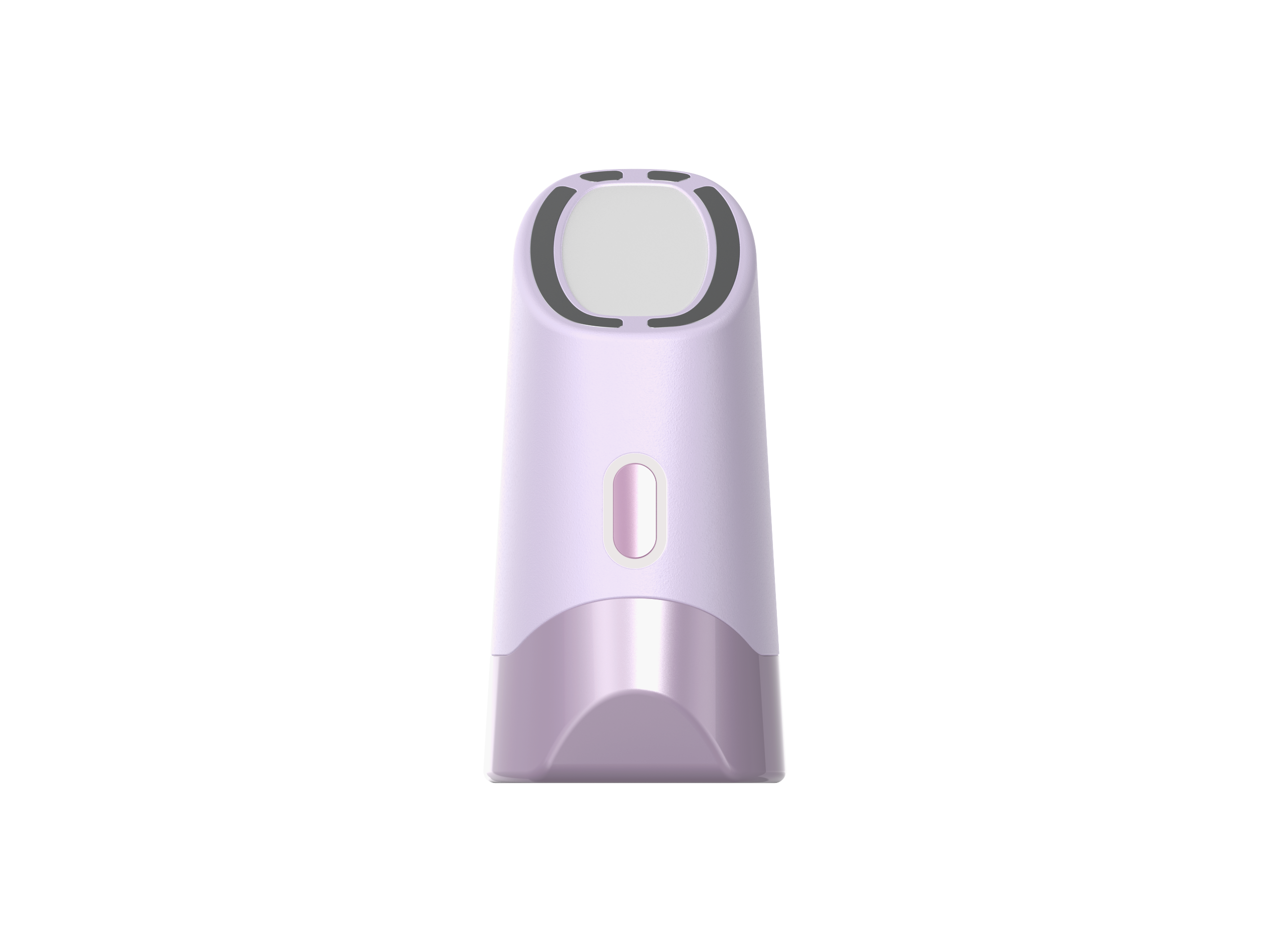
A microdermabrasion device can make skin feel smoother by lifting surface buildup, but sensitive skin changes the decision. The safest goal is not a dramatic polish after one session. It is a controlled, low-irritation trial that lets you judge how your skin responds. As a skincare educator, I suggest treating any at-home microdermabrasion device as a form of physical exfoliation: helpful for some people, yet easy to overdo when the barrier is already stressed.
Before you begin, read the manufacturer’s intended-use instructions, choose the gentlest setting available, and make room in your routine for recovery. A microdermabrasion device is not a substitute for diagnosis or treatment of an active skin condition. If you have a persistent concern, a dermatologist or qualified clinician can help you decide whether exfoliation belongs in your plan.
Microdermabrasion uses abrasion, suction, or both to remove some of the outermost dead skin cells. That action may leave the surface temporarily more reactive. Sensitive skin is not one diagnosis: it can mean easily stinging skin, a history of eczema or rosacea, a weakened barrier after strong products, or simply a tendency toward redness. In each case, intensity and frequency matter more than chasing a quick glow.
Marketing may describe a microdermabrasion device as gentle, but “gentle” is relative to the tip, suction, technique, and user. High suction held in one place can cause pinpoint bruising or prolonged redness. Repeated passes can create irritation even when the device itself is functioning correctly. Device clearance, where applicable, concerns intended use and safety controls; it does not predict an individual result on a particular skin type.
Pause before using a microdermabrasion device if your face is sunburned, windburned, peeling, cracked, or actively irritated. Do not use it over open cuts, cold sores, inflamed acne lesions, a rash, or a suspected infection. Delay treatment after waxing, shaving-related irritation, a chemical peel, laser treatment, or another resurfacing procedure until the treating professional says your skin has recovered.
Extra caution is sensible if you use prescription retinoids, exfoliating acids, benzoyl peroxide, or other products that can increase dryness and sensitivity. Do not assume that skipping a product only on the treatment day is enough; timing depends on the product and your skin. Ask the prescriber or dermatologist for individualized guidance. People with rosacea, eczema, melasma, a tendency to post-inflammatory dark marks, fragile capillaries, or a history of keloid-like scarring should get professional advice before using a microdermabrasion device.
A small test is a practical safeguard. On clean, dry skin, choose a discreet area such as the outer jawline. Use the lowest available intensity for one brief, moving pass. Do not test on an already irritated spot. Then leave the area alone except for bland moisturizer and watch it for 24 to 48 hours.
Mild, short-lived pinkness can happen after exfoliation. Burning, escalating tenderness, swelling, welts, broken skin, marked dryness, or discoloration that lingers are reasons not to proceed. A microdermabrasion device should glide continuously; do not park the tip on one spot to “work harder.” The patch test cannot guarantee a reaction-free full-face treatment, but it can reveal that a setting or technique is too aggressive.
For sensitive skin, more frequent use is rarely the safer route. Leave enough time for the skin to return to its usual calm baseline before considering another session. If redness or tightness continues, do not repeat the microdermabrasion device treatment on schedule; reassess with a professional instead.
After using a microdermabrasion device, rinse only if the instructions call for it and apply a plain, fragrance-free moisturizer. Keep the rest of the routine quiet for the next day or two: avoid exfoliating acids, retinoids, abrasive cleansing brushes, strong masks, and unnecessary fragrance. Use broad-spectrum sunscreen during the day because freshly exfoliated skin can be more vulnerable to sun-related irritation and uneven tone.
It is also wise to clean the microdermabrasion device exactly as directed and do not share a tip or attachment. Residue, moisture, and shared contact can turn an otherwise careful routine into an avoidable hygiene issue. Replace consumable parts on the manufacturer’s schedule rather than trying to extend them.
Stop immediately if you feel sharp pain, intense burning, or see bleeding. Seek prompt medical care for significant swelling, spreading rash, blisters, signs of infection, eye-area injury, or symptoms that worsen rather than settle. If your skin repeatedly develops redness, stinging, breakouts, or dark marks after a microdermabrasion device, the right answer may be less exfoliation—or a different approach altogether.
The most responsible way to use a microdermabrasion device on sensitive skin is to make safety the measure of success. Begin below the maximum setting, test a small area, protect recovery time, and stop at the first meaningful warning sign. Smoothness is optional; a stable, comfortable skin barrier is not.

2026/10/30
Discover why in-house mold development helps an RF beauty device manufacturer improve product consistency, iteration speed, tooling control, and production readiness.

2026/10/30
Learn how to verify an RF beauty device manufacturer's R&D and prototyping capabilities using practical engineering workflows and audit checklists.

2026/10/30
Learn what shapes MOQ when choosing an RF beauty device manufacturer and how to plan a lower-risk first order with balanced platform and customization.

2026/10/30
Use this RF beauty device manufacturer evaluation checklist to compare safety evidence, OEM and ODM capability, quality control, and launch readiness.

2026/10/30
See how technology makes beauty at home more guided, consistent, and informed—plus a practical checklist for choosing devices wisely.

2026/10/30
Explore how AI and smart devices shape the future of beauty with responsive routines, clear guidance, trustworthy design, and user-controlled care.

Ideal for daily facial care routines, providing easy-to-use beauty solutions at home.

Perfect for spas and salons’ frequent treatments, enhancing client experiences and results.

Supports dermatologists with advanced devices for professional skin therapy sessions.

Delivers innovative solutions for full-body massage and relaxation with home devices.

Features anti-aging technologies to help reduce wrinkles and stimulate skin vitality.

Specialized devices for safe and effective hair removal suitable for home or clinic use.

Our customers love the Perfect Idea beauty devices. Quality, packaging, and results are all outstanding. We saw increased repeat sales after adding their facial cleansers to our lineup. Their support team is responsive and reliable.

Perfect Idea brings innovation and reliability to home beauty appliances. Our collaboration introduced their massage tools to Japanese women, boosting customer satisfaction and growing our brand trust across the region.

We partnered with Shenzhen Perfect Idea Tech for their beauty equipment. The shipping was fast and every product matched our expectations. Their home-use massagers are especially popular with local salons and home users.

The stylish packaging and attractive design make Perfect Idea stand out. French consumers appreciate the easy instructions and visible results. Communication was efficient and orders always arrived on time.

Perfect Idea home use personal care devices have become a favorite with our clients. The beauty device line offers quality at a reasonable price, and technical training for our staff made onboarding easy.

We selected Perfect Idea for our beauty product portfolio and have seen very positive feedback from our customers. Products are easy to market online and the customer support is reliable and helpful.
