 EN
Home Skincare
Ideal for daily facial care routines, providing easy-to-use beauty solutions at home.

2026/10/14
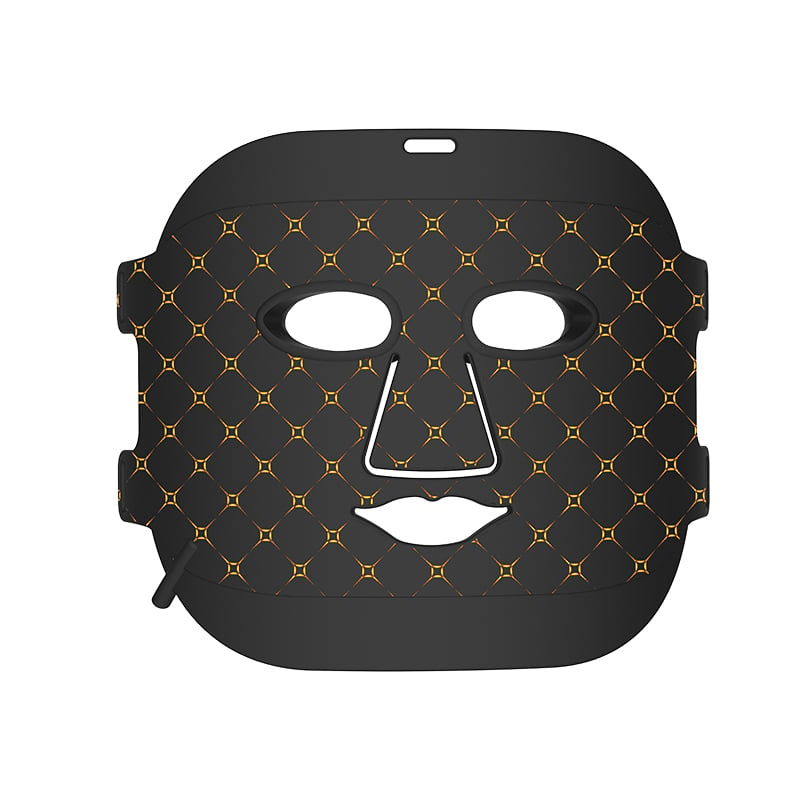
Beauty device innovation in 2026 is becoming less about adding another mode or flashing another light and more about making at-home routines easier to understand, repeat, and personalize. From the perspective of a beauty industry observer, the most useful shift is practical: a beauty device increasingly has to fit a real routine, not just make an impressive claim on a launch page. The strongest ideas combine a familiar modality with better guidance, gentler ergonomics, or a clearer reason to use it consistently.
The distinction matters because beauty is a crowded category. A buyer can already find LED masks, cleansing tools, microcurrent devices, heated styling tools, and app-connected accessories. What changes in 2026 is the way these tools are designed around a person’s skin concerns, time constraints, comfort, and confidence level. Here are the trends worth watching—and the questions that keep the conversation grounded.
AI is the headline trend in beauty technology, but the better interpretation is not “a device knows everything about your skin.” In 2026, AI is increasingly being used to organize observations: surface appearance, self-reported concerns, routine habits, and sometimes images captured under controlled lighting. It can then suggest a routine, explain a device setting, or flag when a user should simplify rather than add more steps.
CES 2026 coverage highlighted AI-driven diagnostics and personalized recommendations across beauty and wellness concepts. One reported retail beauty-mirror example used AI skin analysis and a dataset of more than 45,000 cases to help shape recommendations. That is an important direction for beauty, especially in stores, salons, and spas where a guided conversation can accompany the screen. Still, a recommendation is not a diagnosis. Good beauty-device design should make that boundary clear and encourage users with persistent concerns to seek qualified professional advice.
LED remains a major beauty device category, yet the innovation is moving beyond the familiar rigid face mask. Expect lighter formats, targeted eye-area tools, flexible materials, easier charging, and timers built around short sessions. The goal is simple: if a beauty device is awkward to store or uncomfortable to wear, it is unlikely to become part of a long-term routine.
At CES 2026, a prototype LED face mask was described as using red and near-infrared light in daily 10-minute sessions; the report also noted that consumer trials were still ahead. That caveat is useful. Beauty buyers should separate an announced feature from independently established outcomes. When comparing light devices, look for clear instructions, eye protection guidance where applicable, realistic session expectations, and straightforward information about who should avoid use.
Another beauty innovation trend is the attempt to make topical routines and device use work together more deliberately. Instead of treating a tool as a stand-alone gadget, developers are exploring more targeted delivery formats, controlled contact, and routines that match a beauty device to a specific step rather than asking it to do everything. This may include light-guided routines, localized massage or stimulation, and devices paired with compatible skincare formats.
The meaningful innovation here is not intensity for its own sake. It is precision: helping people apply a beauty routine in a more consistent way while respecting skin comfort. Claims about penetration, absorption, or dramatic transformation deserve especially careful review, because product formulas, skin condition, technique, and frequency all influence a real-world result.
Beauty devices have long bundled functions, but 2026 concepts are trying to make combinations more coherent. A styling tool may focus on reducing unnecessary heat exposure while completing more than one styling task. A wellness-oriented platform may bring several modalities into a guided session. The opportunity is convenience; the risk is a complicated control panel that leaves users unsure what to use and when.
A sensible beauty device should explain the purpose of each function in plain language, allow a beginner-friendly starting point, and avoid implying that more functions automatically mean better results. For brands, that means designing the experience around a few defensible use cases. For shoppers, it means asking whether every feature supports an actual routine or merely expands the specification list.
Not every important beauty device in 2026 is intended for a bathroom counter. Smart mirrors, consultation tools, sensors, and connected treatment platforms are shifting some innovation into retail and professional environments. These formats can make a beauty consultation more visual and structured, while professionals retain the context that an algorithm does not have: lifestyle, sensitivity, past treatments, and a client’s expectations.
This hybrid model may be more valuable than a fully automated beauty experience. It pairs technology with explanation. It also creates a more responsible way to introduce advanced imaging or data-led recommendations, particularly when a user may otherwise mistake a cosmetic reading for medical advice.
The most durable beauty trends are often less glamorous than a new modality. Better fit, quieter operation, easy cleaning, replaceable components, transparent charging information, and accessible instructions can decide whether a beauty device is used after the first week. So can safety communication. Clear contraindications, patch-test advice for paired products, and reminders not to overuse a device build trust more effectively than exaggerated before-and-after language.
Sustainability is part of this shift too. Repairable components, longer service life, more thoughtful packaging, and routines that do not require excessive consumables all make a beauty proposition easier to defend. A smaller feature set that people use for years may be more innovative than a short-lived beauty novelty.
The clearest beauty device trend for 2026 is not one single technology. It is a move toward more contextual innovation: AI that helps explain choices, light formats that fit a daily routine, targeted systems that prioritize comfort, and professional touchpoints that keep a human in the loop. The most credible beauty products will not promise to replace expertise. They will make a beauty routine more understandable, more manageable, and more aligned with what a person actually wants to do.
For buyers and brands alike, that is the useful test. Choose beauty technology that solves a specific problem, communicates its limits honestly, and earns a place in a routine through usability—not simply through novelty.

2026/10/30
Discover why in-house mold development helps an RF beauty device manufacturer improve product consistency, iteration speed, tooling control, and production readiness.

2026/10/30
Learn how to verify an RF beauty device manufacturer's R&D and prototyping capabilities using practical engineering workflows and audit checklists.

2026/10/30
Learn what shapes MOQ when choosing an RF beauty device manufacturer and how to plan a lower-risk first order with balanced platform and customization.

2026/10/30
Use this RF beauty device manufacturer evaluation checklist to compare safety evidence, OEM and ODM capability, quality control, and launch readiness.

2026/10/30
See how technology makes beauty at home more guided, consistent, and informed—plus a practical checklist for choosing devices wisely.

2026/10/30
Explore how AI and smart devices shape the future of beauty with responsive routines, clear guidance, trustworthy design, and user-controlled care.

Ideal for daily facial care routines, providing easy-to-use beauty solutions at home.

Perfect for spas and salons’ frequent treatments, enhancing client experiences and results.

Supports dermatologists with advanced devices for professional skin therapy sessions.

Delivers innovative solutions for full-body massage and relaxation with home devices.

Features anti-aging technologies to help reduce wrinkles and stimulate skin vitality.

Specialized devices for safe and effective hair removal suitable for home or clinic use.

Our customers love the Perfect Idea beauty devices. Quality, packaging, and results are all outstanding. We saw increased repeat sales after adding their facial cleansers to our lineup. Their support team is responsive and reliable.

Perfect Idea brings innovation and reliability to home beauty appliances. Our collaboration introduced their massage tools to Japanese women, boosting customer satisfaction and growing our brand trust across the region.

We partnered with Shenzhen Perfect Idea Tech for their beauty equipment. The shipping was fast and every product matched our expectations. Their home-use massagers are especially popular with local salons and home users.

The stylish packaging and attractive design make Perfect Idea stand out. French consumers appreciate the easy instructions and visible results. Communication was efficient and orders always arrived on time.

Perfect Idea home use personal care devices have become a favorite with our clients. The beauty device line offers quality at a reasonable price, and technical training for our staff made onboarding easy.

We selected Perfect Idea for our beauty product portfolio and have seen very positive feedback from our customers. Products are easy to market online and the customer support is reliable and helpful.
