 EN
Home Skincare
Ideal for daily facial care routines, providing easy-to-use beauty solutions at home.

2026/10/01
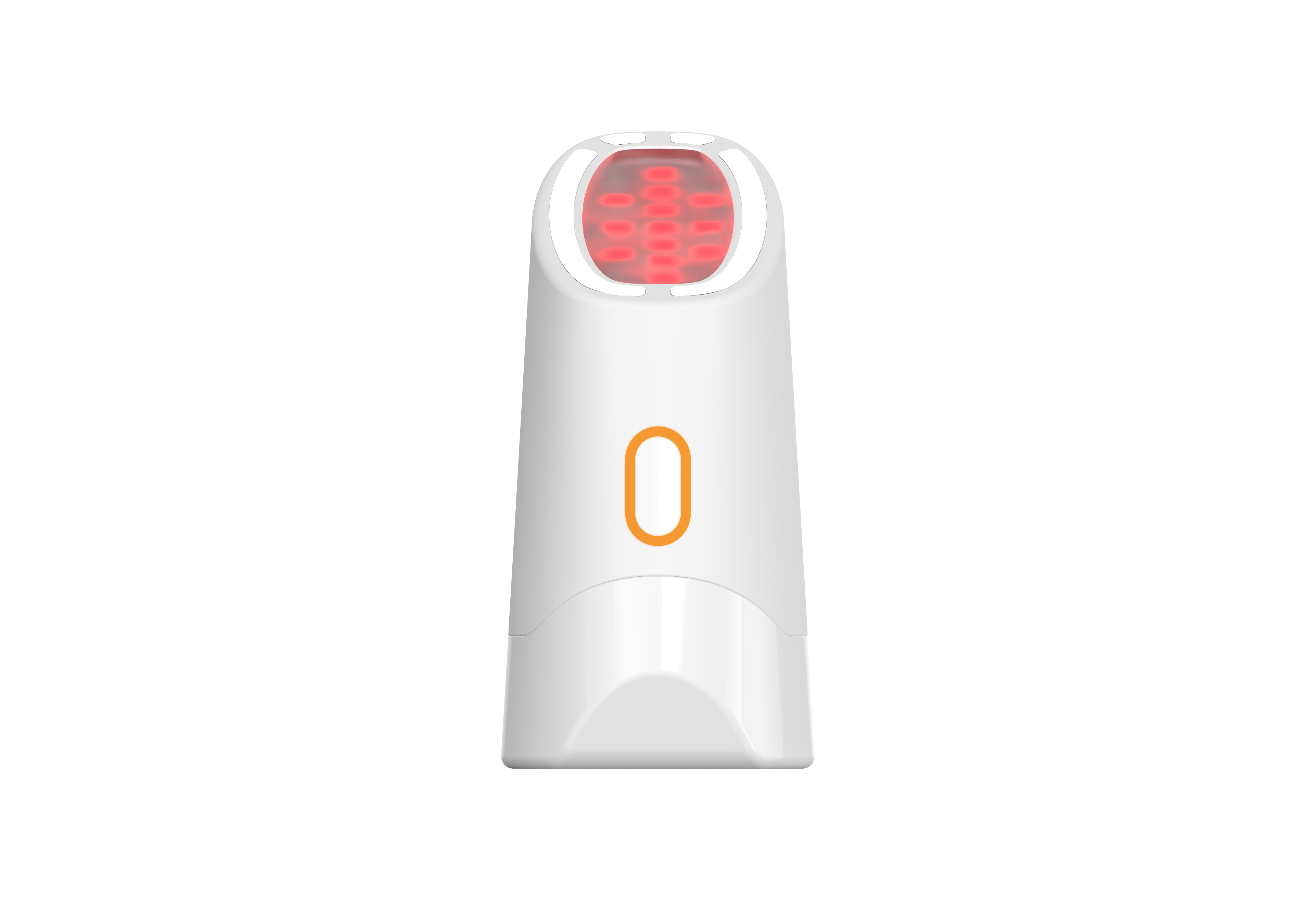
Launching a Custom beauty device is not simply a matter of adding a logo to an existing shell. For a brand owner, the real work is converting a market idea into a product that can be made consistently, documented clearly, and positioned responsibly in its target market. Successful projects move through defined decision gates: brief, feasibility, design, sampling, validation, production, and post-launch improvement. Custom beauty device approval matters. Custom beauty device approval matters.
From an international buyer’s perspective, the goal is not to collect the longest feature list. It is to agree on what the device must do, who it is for, what claims and markets are in scope, and which details cannot change without approval. That discipline makes a custom beauty device program easier to cost, test, and scale. Custom beauty device approval matters. Custom beauty device approval matters.
Start with a written brief before requesting quotations. It should identify the user, the intended skincare routine, the target price band, the sales channels, and the markets you plan to enter. Specify whether the project is OEM, using an established platform with brand-level changes, or ODM, where the manufacturer helps develop the product concept, industrial design, electronics, or function. Custom beauty device approval matters. Custom beauty device approval matters.
For a Custom beauty device, include the technology direction only when it supports the intended routine. A brand may be considering LED light, RF, microcurrent, ultrasound, cooling, heating, or a combination. Earlier buyers often assume more modes automatically make a stronger product. In practice, a focused routine with understandable controls can be more valuable than functions that are difficult to explain or support. Custom beauty device approval matters. Custom beauty device approval matters.
The factory should next assess whether an existing platform can meet the brief or whether the project requires new tooling, new electronics, or a new treatment head. This is the point to compare trade-offs among performance, battery space, thermal behavior, assembly complexity, lead time, and unit cost. A manufacturer with experience serving Europe, North America, Japan, and South Korea can help a buyer ask market-specific questions early, but the brand remains responsible for its positioning and claims. Custom beauty device approval matters. Custom beauty device approval matters.
Compliance is not a finishing task. It affects labeling, manuals, test plans, components, and how the device is described. For U.S. products that fall within medical-device requirements, FDA guidance distinguishes a specification developer from a contract manufacturer and explains that the applicable party may have premarket obligations. The same guidance also emphasizes documented controls for relevant device design and change management. Not every beauty device follows the same regulatory path, so confirm the classification and market requirements with qualified regulatory specialists before making claims. Custom beauty device approval matters. Custom beauty device approval matters.
Once feasibility is clear, translate the brief into a product requirement document. This document should cover the functional sequence, modes, timers, charging approach, safety features, materials, expected cosmetic finish, packaging contents, artwork files, and acceptance criteria. It is the reference point for both OEM customization and ODM development. Custom beauty device approval matters. Custom beauty device approval matters.
For example, a multi-wavelength LED concept needs an agreed definition of the available modes, user controls, indicator behavior, and user instructions. An RF or microcurrent concept needs equally clear boundaries around operating modes and safety handling. The purpose is not to promise outcomes that have not been validated; it is to ensure that engineering, sourcing, marketing, and quality teams are all working from the same version. Custom beauty device approval matters. Custom beauty device approval matters.
Ask for a change-control method at this stage. If the shell color, firmware, label wording, supplier component, or intended use changes later, the team should record what changed, why it changed, and whether it affects testing, documentation, packaging, cost, or launch timing. Custom beauty device approval matters. Custom beauty device approval matters.
Prototype work usually moves through several checkpoints rather than one final sample. Early appearance samples help confirm shape, color, texture, logo position, and packaging direction. Engineering samples test the fit between the housing, electronics, battery, controls, and treatment components. Pre-production samples then check whether the approved design can be assembled repeatedly using the planned process. Custom beauty device approval matters.
A practical custom beauty device sample review asks more than “Does it look good?” Review functional operation, charging behavior, control logic, cosmetic finish, accessory fit, instructions, labels, carton protection, and the quality of the approval record. If something is not accepted, state the correction and the revised acceptance point in writing. This avoids the common gap between a visually attractive sample and a production-ready product. Custom beauty device approval matters.
Before mass production, agree on the validation plan appropriate to the device and destination markets. The exact test set depends on the product and its claims, but the project team should know who owns each document, test sample, revision, and approval date. Review the product specification alongside packaging artwork, user manuals, warnings, and traceability requirements. Custom beauty device approval matters.
This is also where a buyer should distinguish a certification discussion from a marketing statement. A supplier may support a project with its manufacturing experience and available documentation, yet the final market-access route depends on the exact device, claim, configuration, and jurisdiction. If your priority is long-term stability, it is more useful to confirm the evidence package and change process than to rely on broad certification language. Custom beauty device approval matters.
Pilot production is the bridge between development and scale. It confirms that components arrive to specification, work instructions are usable, test fixtures function as intended, and the assembly line can achieve consistent output. During this phase, agree on incoming inspection, in-process checks, finished-goods inspection, defect definitions, sampling rules, and packaging checks. Custom beauty device approval matters. Custom beauty device review stays documented.
For a Custom beauty device, the quality plan should cover both performance and presentation. Brand owners should review the feel of buttons and seams, the accuracy of printed labels, the behavior of charging indicators, product cleanliness, carton protection, and the match between approved artwork and production files. These details influence returns and support workload as much as the headline technology does. Custom beauty device approval matters. Custom beauty device review stays documented.
Mass production should begin only after the final sample, specifications, artwork, packaging, inspection criteria, and shipment plan are approved. Keep one controlled master version of each file. Before shipment, compare the finished goods against the approved sample and the agreed inspection standard, then confirm labeling, carton marks, quantities, and destination-market paperwork. Custom beauty device approval matters. Custom beauty device review stays documented.
The handoff should include practical service information: batch identification, warranty handling, spare-part policy where relevant, and a route for reporting field issues. A reliable OEM/ODM relationship does not end at shipment. It uses early feedback to correct recurring issues without making undocumented changes to the product. Custom beauty device approval matters.
| Decision gate | What to approve | Why it matters |
|---|---|---|
| Brief | User, claims, markets, price, and customization scope | Prevents misaligned quotations and late rework |
| Feasibility | Platform choice, lead time, tooling, and compliance plan | Connects the concept to real manufacturing constraints |
| Samples | Appearance, function, packaging, and written corrections | Creates an auditable path to production readiness |
| Validation | Test plan, documentation owners, labels, and manuals | Reduces launch and market-access surprises |
| Production release | Golden sample, QC criteria, artwork, and shipment checks | Protects consistency at scale |
A well-managed custom beauty device OEM/ODM project is a sequence of approvals, not a one-time purchase order. Start with a precise brief, use feasibility review to make trade-offs visible, treat samples as decision gates, and document changes before they reach production. For brand owners, that process creates a clearer route from concept to a device that is easier to manufacture, explain, and support in the market. Custom beauty device approval matters.

2026/10/30
Discover why in-house mold development helps an RF beauty device manufacturer improve product consistency, iteration speed, tooling control, and production readiness.

2026/10/30
Learn how to verify an RF beauty device manufacturer's R&D and prototyping capabilities using practical engineering workflows and audit checklists.

2026/10/30
Learn what shapes MOQ when choosing an RF beauty device manufacturer and how to plan a lower-risk first order with balanced platform and customization.

2026/10/30
Use this RF beauty device manufacturer evaluation checklist to compare safety evidence, OEM and ODM capability, quality control, and launch readiness.

2026/10/30
See how technology makes beauty at home more guided, consistent, and informed—plus a practical checklist for choosing devices wisely.

2026/10/30
Explore how AI and smart devices shape the future of beauty with responsive routines, clear guidance, trustworthy design, and user-controlled care.

Ideal for daily facial care routines, providing easy-to-use beauty solutions at home.

Perfect for spas and salons’ frequent treatments, enhancing client experiences and results.

Supports dermatologists with advanced devices for professional skin therapy sessions.

Delivers innovative solutions for full-body massage and relaxation with home devices.

Features anti-aging technologies to help reduce wrinkles and stimulate skin vitality.

Specialized devices for safe and effective hair removal suitable for home or clinic use.

Our customers love the Perfect Idea beauty devices. Quality, packaging, and results are all outstanding. We saw increased repeat sales after adding their facial cleansers to our lineup. Their support team is responsive and reliable.

Perfect Idea brings innovation and reliability to home beauty appliances. Our collaboration introduced their massage tools to Japanese women, boosting customer satisfaction and growing our brand trust across the region.

We partnered with Shenzhen Perfect Idea Tech for their beauty equipment. The shipping was fast and every product matched our expectations. Their home-use massagers are especially popular with local salons and home users.

The stylish packaging and attractive design make Perfect Idea stand out. French consumers appreciate the easy instructions and visible results. Communication was efficient and orders always arrived on time.

Perfect Idea home use personal care devices have become a favorite with our clients. The beauty device line offers quality at a reasonable price, and technical training for our staff made onboarding easy.

We selected Perfect Idea for our beauty product portfolio and have seen very positive feedback from our customers. Products are easy to market online and the customer support is reliable and helpful.
