 EN
Home Skincare
Ideal for daily facial care routines, providing easy-to-use beauty solutions at home.

2026/10/04
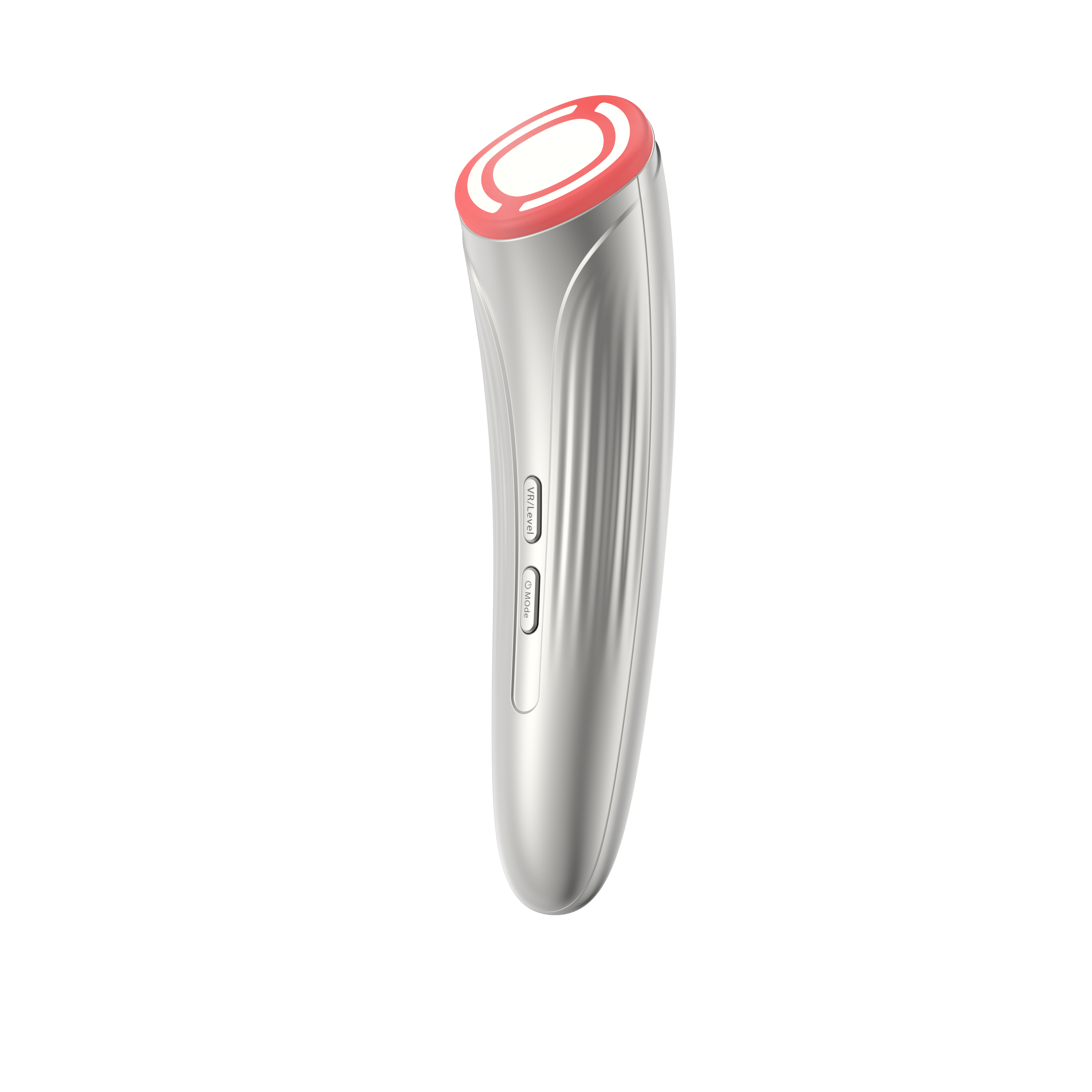
For a brand preparing to place beauty equipment on the European market, the first task is not collecting logos. It is defining the product, its intended purpose, and the laws that apply to that exact configuration. As an OEM/ODM development partner, we see the same issue repeatedly: a sample may look market-ready, while its claims, power design, wireless module, or importer arrangement still leave important compliance work open.
European requirements for beauty equipment are product-specific. A cordless ultrasonic beauty device, a mains-powered LED mask, and a salon machine making therapeutic claims may follow different routes. The practical question is therefore not “Which certificate do I buy?” but “Which evidence must support this product before it is placed on the market?”
Before testing beauty equipment, document what the product does, who will use it, where it will be sold, and every claim on the device, packaging, instructions, and online listing. This classification step determines whether CE marking is relevant and which EU rules sit behind it.
For many electrically powered beauty equipment products, CE marking is the visible outcome of conformity assessment under applicable EU legislation. It is not a standalone approval issued simply because a factory has a report. The responsible manufacturer must establish applicable requirements, compile technical documentation, prepare the EU Declaration of Conformity, and affix the mark when the conditions are met. A European importer or authorised representative may have separate responsibilities, so agree on roles early.
Claims matter as much as hardware. Beauty equipment promoted for cosmetic appearance can have a different regulatory analysis from equipment intended to diagnose, prevent, monitor, predict, treat, or alleviate disease. Some aesthetic products without an intended medical purpose can also fall within the MDR Annex XVI framework. Treat this as a classification question for qualified regulatory review, rather than assuming every light-based or energy-based product follows the same route.
Once the product scope is clear, create a requirement matrix. The matrix should identify each applicable law, standard, test, document owner, and revision status. For common consumer electrical beauty equipment, the following areas are often assessed.
Standards are selected from the actual product profile, not copied from a competitor’s specification sheet. Ask the laboratory or compliance specialist to confirm the current harmonised standards and the version used. That discipline prevents a common problem: a test report that is technically real but does not represent the final beauty equipment configuration.
CE marking does not replace environmental responsibilities. RoHS restricts certain hazardous substances in electrical and electronic equipment, so suppliers of components, cable assemblies, PCBs, finishes, and packaging should be included in the evidence plan. A material declaration alone may not be enough; keep a traceable file showing how declarations, bills of materials, and any testing support the finished beauty equipment.
WEEE concerns end-of-life collection, recycling, and producer obligations for electrical and electronic equipment. Registration and labelling steps are country-specific and often sit with the entity placing beauty equipment on a national market. Discuss this with the EU importer or local compliance partner before the first shipment, rather than after a listing goes live.
REACH may also affect substances in articles, accessories, and packaging. Packaging itself can bring labelling, waste, and extended-producer-responsibility requirements. These obligations are not “optional certificates”; they are operational obligations that should be assigned in the launch plan.
For beauty equipment, an organised technical file is more useful than a folder of unrelated PDFs. It should normally connect the product description, drawings, bill of materials, risk assessment, applicable requirements, test evidence, labels, instructions, declarations, and change-control records.
Pay attention to the version relationship. If the LED board, battery cell, housing resin, adaptor, firmware, packaging claim, or user manual changes, assess whether the original evidence still represents the beauty equipment being sold. Production consistency matters too: a compliant sample and an uncontrolled mass-production run are not the same compliance position.
Instructions and labels should be localised for each destination market. They should state safe use, charging or cleaning limits, contraindications where substantiated and relevant, disposal information, and the economic operator details required for the route. Avoid cosmetic or performance claims that the file cannot support.
When sourcing beauty equipment, ask for evidence that is specific to the model you plan to sell, not a generic “CE certificate.” Useful questions include: Which directives and standards were assessed? Does the report match the final adaptor, battery, radio module, and artwork? Who owns the technical documentation? What controls ensure production matches the tested sample? How are product changes evaluated?
For brands developing an ultrasonic beauty device or an at home light therapy device, early document review is usually less costly than relabelling, retesting, or withdrawing stock later. Our OEM/ODM team can support OEM/ODM discussions around product configuration, documentation coordination, and market-specific packaging preparation. Final legal and regulatory decisions should remain with the responsible economic operator and qualified advisers.
The key certifications for beauty equipment export to Europe are not one universal bundle. CE marking may be central for in-scope beauty equipment, but it rests on correct classification, applicable safety and EMC evidence, possible radio assessment, technical documentation, and an EU Declaration of Conformity. RoHS, WEEE, REACH, packaging, and market-specific producer obligations should be planned alongside—not after—the core conformity work. A disciplined evidence plan gives brands a more reliable path to market than a folder of logos ever can.

2026/10/30
Discover why in-house mold development helps an RF beauty device manufacturer improve product consistency, iteration speed, tooling control, and production readiness.

2026/10/30
Learn how to verify an RF beauty device manufacturer's R&D and prototyping capabilities using practical engineering workflows and audit checklists.

2026/10/30
Learn what shapes MOQ when choosing an RF beauty device manufacturer and how to plan a lower-risk first order with balanced platform and customization.

2026/10/30
Use this RF beauty device manufacturer evaluation checklist to compare safety evidence, OEM and ODM capability, quality control, and launch readiness.

2026/10/30
See how technology makes beauty at home more guided, consistent, and informed—plus a practical checklist for choosing devices wisely.

2026/10/30
Explore how AI and smart devices shape the future of beauty with responsive routines, clear guidance, trustworthy design, and user-controlled care.

Ideal for daily facial care routines, providing easy-to-use beauty solutions at home.

Perfect for spas and salons’ frequent treatments, enhancing client experiences and results.

Supports dermatologists with advanced devices for professional skin therapy sessions.

Delivers innovative solutions for full-body massage and relaxation with home devices.

Features anti-aging technologies to help reduce wrinkles and stimulate skin vitality.

Specialized devices for safe and effective hair removal suitable for home or clinic use.

Our customers love the Perfect Idea beauty devices. Quality, packaging, and results are all outstanding. We saw increased repeat sales after adding their facial cleansers to our lineup. Their support team is responsive and reliable.

Perfect Idea brings innovation and reliability to home beauty appliances. Our collaboration introduced their massage tools to Japanese women, boosting customer satisfaction and growing our brand trust across the region.

We partnered with Shenzhen Perfect Idea Tech for their beauty equipment. The shipping was fast and every product matched our expectations. Their home-use massagers are especially popular with local salons and home users.

The stylish packaging and attractive design make Perfect Idea stand out. French consumers appreciate the easy instructions and visible results. Communication was efficient and orders always arrived on time.

Perfect Idea home use personal care devices have become a favorite with our clients. The beauty device line offers quality at a reasonable price, and technical training for our staff made onboarding easy.

We selected Perfect Idea for our beauty product portfolio and have seen very positive feedback from our customers. Products are easy to market online and the customer support is reliable and helpful.
