 EN
Home Skincare
Ideal for daily facial care routines, providing easy-to-use beauty solutions at home.

2026/09/30
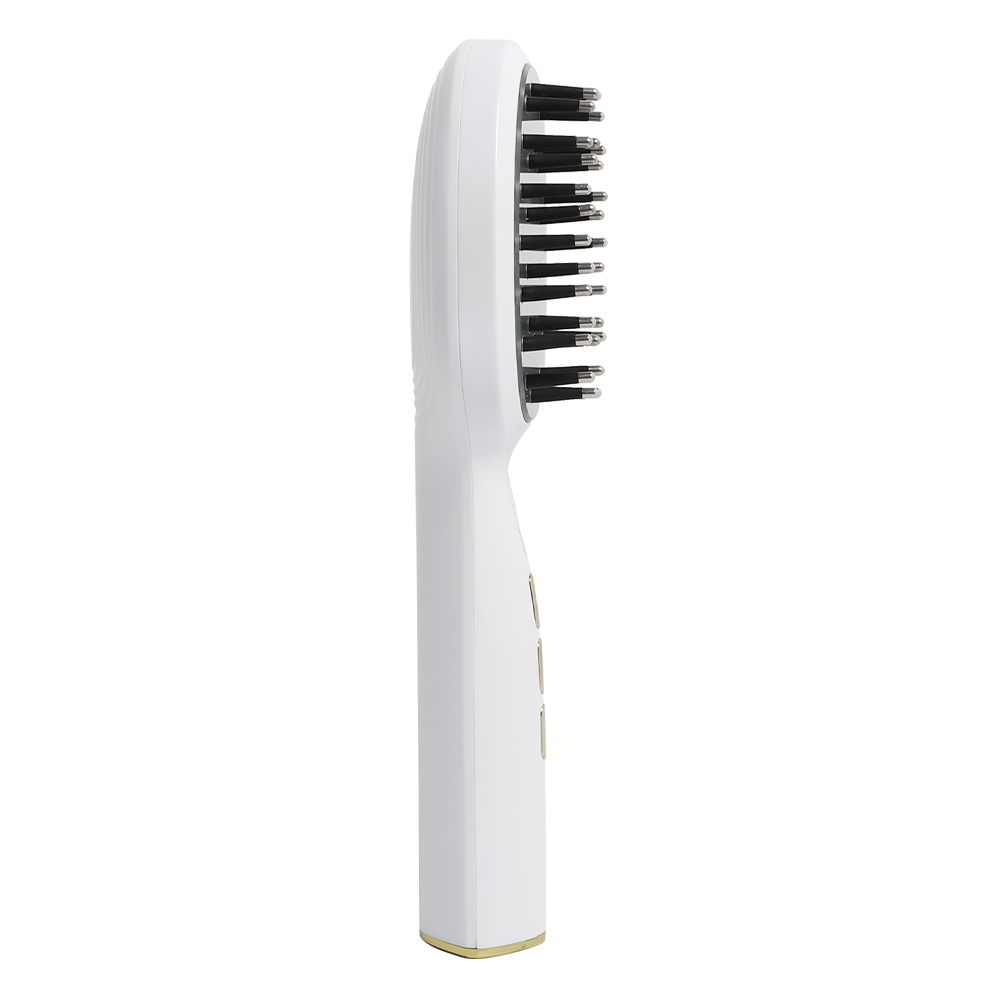
For a U.S. brand, an LED hair growth cap device is not cleared simply because it emits red light, resembles an existing cap, or uses components that have appeared in other products. Clearance depends on the finished device, its intended use, its technological characteristics, and the evidence submitted to FDA. This article is a practical regulatory overview for brand and sourcing teams; it is not legal or regulatory advice.
From a procurement perspective, the first useful question is not “Does the factory have an FDA certificate?” It is: “What is the exact cleared intended use for this LED hair growth cap device, and can the clearance be verified in FDA’s 510(k) database?” That distinction helps prevent expensive labeling, launch, and import problems later.
FDA regulation begins with what the LED hair growth cap device is represented to do. Claims such as treating androgenetic alopecia or promoting hair growth can place a wearable light product in medical-device territory. The intended-use statement in the labeling, instructions for use, website copy, packaging, and advertising must all align. A supplier should not borrow a clearance claim from a different cap, helmet, laser, or light panel.
Many non-exempt Class II devices require a premarket notification, commonly called a 510(k), before U.S. marketing. In a 510(k), the applicant generally demonstrates that its device is substantially equivalent to a legally marketed predicate device. That is not the same as proving that every LED hair growth cap device is clinically effective in every user, and it is not FDA “approval” in the pharmaceutical sense.
The exact evidence package depends on the device and predicate, but a credible regulatory plan for an LED hair growth cap device usually addresses the areas below.
Do not treat this list as a substitute for a regulatory assessment. The appropriate testing strategy depends on the specific LED hair growth cap device, including its light source, energy delivery, materials, and claims.
A predicate is more than a product that looks similar online. The team needs to confirm the device’s FDA record, intended use, technology, and labeling. FDA’s 510(k) database and public decision summaries are useful starting points for verification. Search results currently show clearances for home wearable light or laser devices associated with androgenetic alopecia and hair-growth promotion, but each record belongs to the named manufacturer and model.
A common sourcing mistake is assuming that changing the number of emitters, cap design, wavelength range, power configuration, controls, or treatment protocol is a minor update. It may be, but it may also create technological differences that require additional analysis or evidence. For an LED hair growth cap device, document these decisions before tooling, not after packaging has been printed.
For a brand developing an LED hair growth cap device, the cleanest route is to involve regulatory expertise during requirements definition. Start a design-history and risk-management record early, lock the proposed intended use, and make sure engineering specifications support the predicate comparison. A manufacturer’s ability to support OEM or ODM work can be valuable, but it does not transfer a 510(k) to a new brand, model, or claim set automatically.
Ask suppliers for controlled technical files, component traceability, test reports relevant to the final configuration, quality-process documentation, and a clear answer about who owns or may reference any existing clearance. Batch consistency matters: a compliant sample does not guarantee that production versions of an LED hair growth cap device use identical emitters, drivers, batteries, and materials.
After clearance, the responsible party still needs to manage establishment registration and device listing where applicable, quality-system obligations, complaint handling, medical-device reporting where required, corrections and removals processes, and promotional controls. The product’s labeling should state only claims supported by its cleared intended use. Avoid broad phrases such as “FDA certified,” “FDA approved,” or claims that imply a different clinical outcome than the cleared record supports.
In practical terms, an LED hair growth cap device launch should include a release checklist that compares the final bill of materials, instructions, packaging, website claims, and retailer content against the regulatory file. This is where many otherwise well-designed products drift out of compliance.
The FDA path for an LED hair growth cap device is evidence-led and device-specific. A well-prepared 510(k) strategy centers on a defensible predicate comparison, appropriate safety and performance evidence, accurate labeling, and ongoing compliance controls. For brands, the right time to verify FDA clearance requirements is before finalizing the design and marketing claims—not after the product is ready to ship.

2026/10/30
Discover why in-house mold development helps an RF beauty device manufacturer improve product consistency, iteration speed, tooling control, and production readiness.

2026/10/30
Learn how to verify an RF beauty device manufacturer's R&D and prototyping capabilities using practical engineering workflows and audit checklists.

2026/10/30
Learn what shapes MOQ when choosing an RF beauty device manufacturer and how to plan a lower-risk first order with balanced platform and customization.

2026/10/30
Use this RF beauty device manufacturer evaluation checklist to compare safety evidence, OEM and ODM capability, quality control, and launch readiness.

2026/10/30
See how technology makes beauty at home more guided, consistent, and informed—plus a practical checklist for choosing devices wisely.

2026/10/30
Explore how AI and smart devices shape the future of beauty with responsive routines, clear guidance, trustworthy design, and user-controlled care.

Ideal for daily facial care routines, providing easy-to-use beauty solutions at home.

Perfect for spas and salons’ frequent treatments, enhancing client experiences and results.

Supports dermatologists with advanced devices for professional skin therapy sessions.

Delivers innovative solutions for full-body massage and relaxation with home devices.

Features anti-aging technologies to help reduce wrinkles and stimulate skin vitality.

Specialized devices for safe and effective hair removal suitable for home or clinic use.

Our customers love the Perfect Idea beauty devices. Quality, packaging, and results are all outstanding. We saw increased repeat sales after adding their facial cleansers to our lineup. Their support team is responsive and reliable.

Perfect Idea brings innovation and reliability to home beauty appliances. Our collaboration introduced their massage tools to Japanese women, boosting customer satisfaction and growing our brand trust across the region.

We partnered with Shenzhen Perfect Idea Tech for their beauty equipment. The shipping was fast and every product matched our expectations. Their home-use massagers are especially popular with local salons and home users.

The stylish packaging and attractive design make Perfect Idea stand out. French consumers appreciate the easy instructions and visible results. Communication was efficient and orders always arrived on time.

Perfect Idea home use personal care devices have become a favorite with our clients. The beauty device line offers quality at a reasonable price, and technical training for our staff made onboarding easy.

We selected Perfect Idea for our beauty product portfolio and have seen very positive feedback from our customers. Products are easy to market online and the customer support is reliable and helpful.
