 EN
Home Skincare
Ideal for daily facial care routines, providing easy-to-use beauty solutions at home.

2026/10/02
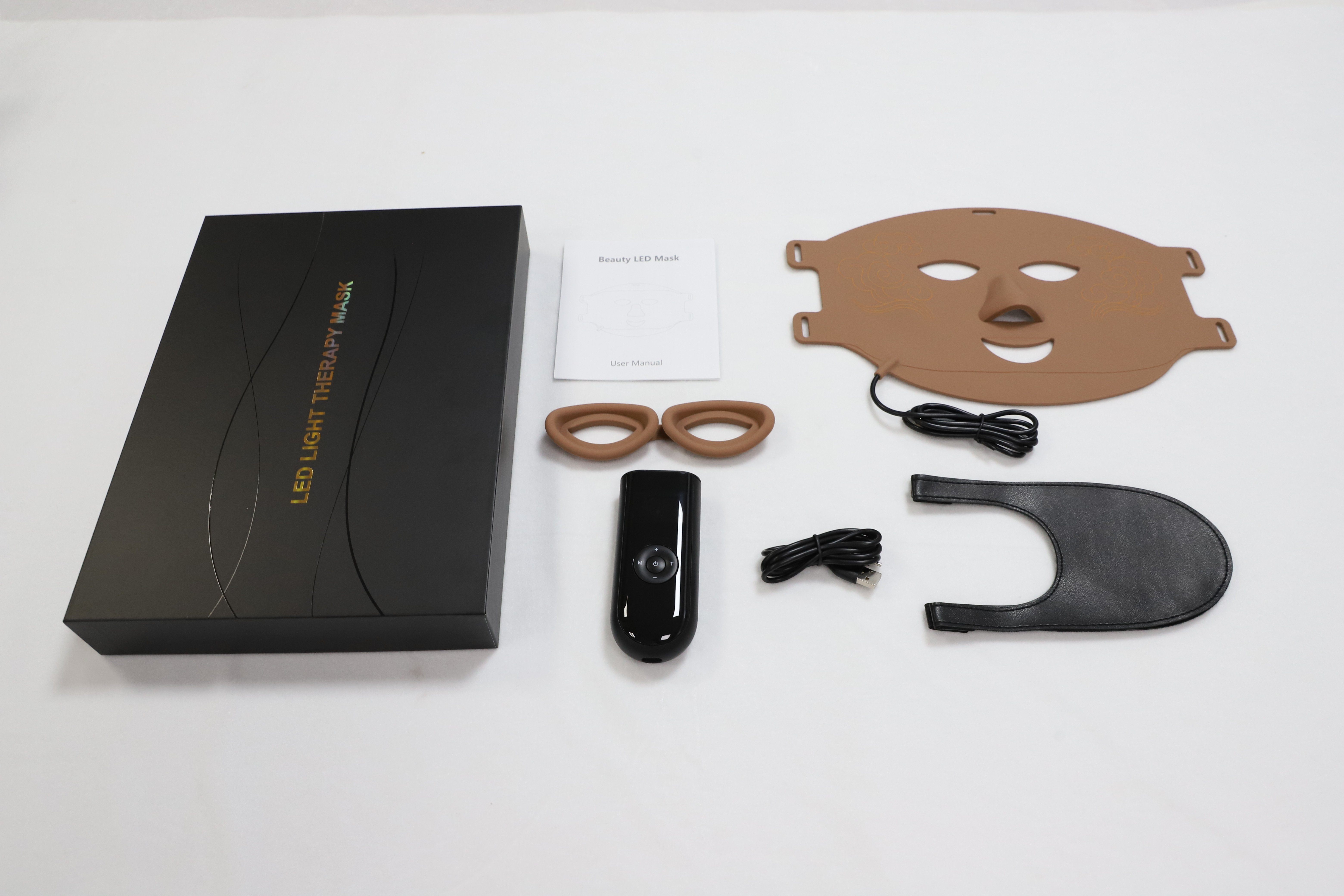
As a beauty-device technical adviser, I encourage people to ask a more useful question than “Does light work?”: which type of LED light therapy, for which concern, under which protocol? Light-emitting-diode treatments are not a universal cure for every skin problem. Still, clinical research supports a few specific, carefully framed benefits—most notably as an adjunct for mild-to-moderate inflammatory acne and, more modestly, for visible signs of photoaging.
That distinction matters whether you are considering a professional treatment or an at home photobiomodulation device. Wavelength, irradiance, treatment schedule, skin condition, and the quality of the device all affect outcomes. Good evidence supports realistic expectations, not miracle claims.
LED light therapy delivers non-thermal light at selected wavelengths. In skin care, red light and near-infrared light are commonly studied for photobiomodulation, while blue light is often studied for acne. Unlike ablative lasers, LEDs do not remove the surface of the skin. Their proposed effects involve light absorption in cells and downstream changes in inflammatory signaling and repair-related processes.
“Clinically proven” should not be read as an assurance of the same outcome for every person.” A study result belongs to the exact device, wavelength, dose, treatment frequency, participant group, and outcome measured. It is therefore reasonable to expect gradual, modest change where evidence exists—and unreasonable to expect an LED session to replace prescription treatment, sunscreen, or a dermatologist’s assessment.
The strongest skin-specific case for LED light therapy is the use of blue light, or a blue-and-red combination, as a supportive option for mild-to-moderate inflammatory acne. Blue wavelengths can act on porphyrins associated with C. acnes, while red light is commonly used for its deeper penetration and anti-inflammatory role. Reviews of light-based acne treatments have found moderate evidence for blue light in inflammatory acne, but they also note that many trials were small and protocols varied.
That evidence supports a practical claim: blue light therapy for acne may help reduce inflammatory lesions for some people when used consistently and appropriately. It does not support promising permanent clearance, treating severe nodulocystic acne at home, or telling users to discontinue clinician-directed care. One sham-controlled protocol cited in the acne literature used red and blue exposures twice daily for four weeks; its results cannot be assumed for every mask or every user.
For fine lines, texture, and overall skin appearance, the evidence is promising but more variable. Red and near-infrared LED protocols have been associated in some clinical studies with improvements in perceived smoothness, fine lines, firmness, and skin tone. These changes are often explained through photobiomodulation pathways that may influence collagen-related activity and inflammation. Those limits are important: study designs, device outputs, and endpoints differ widely.
For this reason, red-light LED treatment is better described as a noninvasive option that may complement a photoaging routine than as a wrinkle eraser. Daily broad-spectrum sunscreen, topical treatments recommended for your skin, sleep, and smoking avoidance remain more established foundations for managing sun-related aging. An at home red light therapy routine may be worthwhile for people who value a gradual, low-downtime approach and can follow a validated protocol consistently.
Marketing commonly groups redness, pigmentation, scars, eczema, psoriasis, wound healing, and “detox” under one LED umbrella. The science is not equally strong for all of those claims. A favorable study in one indication does not prove benefit in another, and a device that emits several colors is not automatically better. In particular, green, yellow, and purple light claims are often presented more confidently than the clinical evidence warrants.
Be cautious with promises to cure rosacea, erase melasma, tighten loose skin dramatically, or treat a suspicious lesion. These concerns need individualized medical evaluation. If you use light after procedures or alongside active ingredients, ask the treating professional how that timing fits your care plan.
When comparing an at-home device, look past the number of LEDs or a color-changing display. Request clear information about wavelengths, intended use, treatment duration, eye protection, contraindications, and the clinical testing that relates to the actual product or a meaningfully equivalent configuration. A clinical strength led mask is a marketing description unless the brand can explain the output and the evidence behind its protocol.
LED light therapy is generally described as noninvasive and well tolerated when a suitable device is used as directed. Temporary redness, warmth, dryness, headache, or eye discomfort can occur. Stop use and seek advice if you develop a persistent reaction, vision symptoms, or worsening pigmentation. Extra caution is appropriate during treatment with photosensitizing medications or when you have a diagnosed photosensitivity condition.
See a dermatologist rather than self-treating if acne is leaving scars, if a rash is painful or widespread, if pigment changes are new or asymmetric, or if you are unsure what condition you have. The goal is not to avoid professional care; it is to use LED technology where it has a sensible, evidence-aligned role.
Clinically studied LED light therapy can offer a useful adjunct for inflammatory acne and may provide gradual improvements in some visible signs of photoaging. The benefits are specific, protocol-dependent, and typically modest—not a blanket cure for every skin concern. Choose a device based on transparent technical information and relevant clinical evidence, use it consistently as directed, and keep core skin care and medical treatment in the picture.

2026/10/30
Discover why in-house mold development helps an RF beauty device manufacturer improve product consistency, iteration speed, tooling control, and production readiness.

2026/10/30
Learn how to verify an RF beauty device manufacturer's R&D and prototyping capabilities using practical engineering workflows and audit checklists.

2026/10/30
Learn what shapes MOQ when choosing an RF beauty device manufacturer and how to plan a lower-risk first order with balanced platform and customization.

2026/10/30
Use this RF beauty device manufacturer evaluation checklist to compare safety evidence, OEM and ODM capability, quality control, and launch readiness.

2026/10/30
See how technology makes beauty at home more guided, consistent, and informed—plus a practical checklist for choosing devices wisely.

2026/10/30
Explore how AI and smart devices shape the future of beauty with responsive routines, clear guidance, trustworthy design, and user-controlled care.

Ideal for daily facial care routines, providing easy-to-use beauty solutions at home.

Perfect for spas and salons’ frequent treatments, enhancing client experiences and results.

Supports dermatologists with advanced devices for professional skin therapy sessions.

Delivers innovative solutions for full-body massage and relaxation with home devices.

Features anti-aging technologies to help reduce wrinkles and stimulate skin vitality.

Specialized devices for safe and effective hair removal suitable for home or clinic use.

Our customers love the Perfect Idea beauty devices. Quality, packaging, and results are all outstanding. We saw increased repeat sales after adding their facial cleansers to our lineup. Their support team is responsive and reliable.

Perfect Idea brings innovation and reliability to home beauty appliances. Our collaboration introduced their massage tools to Japanese women, boosting customer satisfaction and growing our brand trust across the region.

We partnered with Shenzhen Perfect Idea Tech for their beauty equipment. The shipping was fast and every product matched our expectations. Their home-use massagers are especially popular with local salons and home users.

The stylish packaging and attractive design make Perfect Idea stand out. French consumers appreciate the easy instructions and visible results. Communication was efficient and orders always arrived on time.

Perfect Idea home use personal care devices have become a favorite with our clients. The beauty device line offers quality at a reasonable price, and technical training for our staff made onboarding easy.

We selected Perfect Idea for our beauty product portfolio and have seen very positive feedback from our customers. Products are easy to market online and the customer support is reliable and helpful.
