 EN
Home Skincare
Ideal for daily facial care routines, providing easy-to-use beauty solutions at home.

2026/10/17
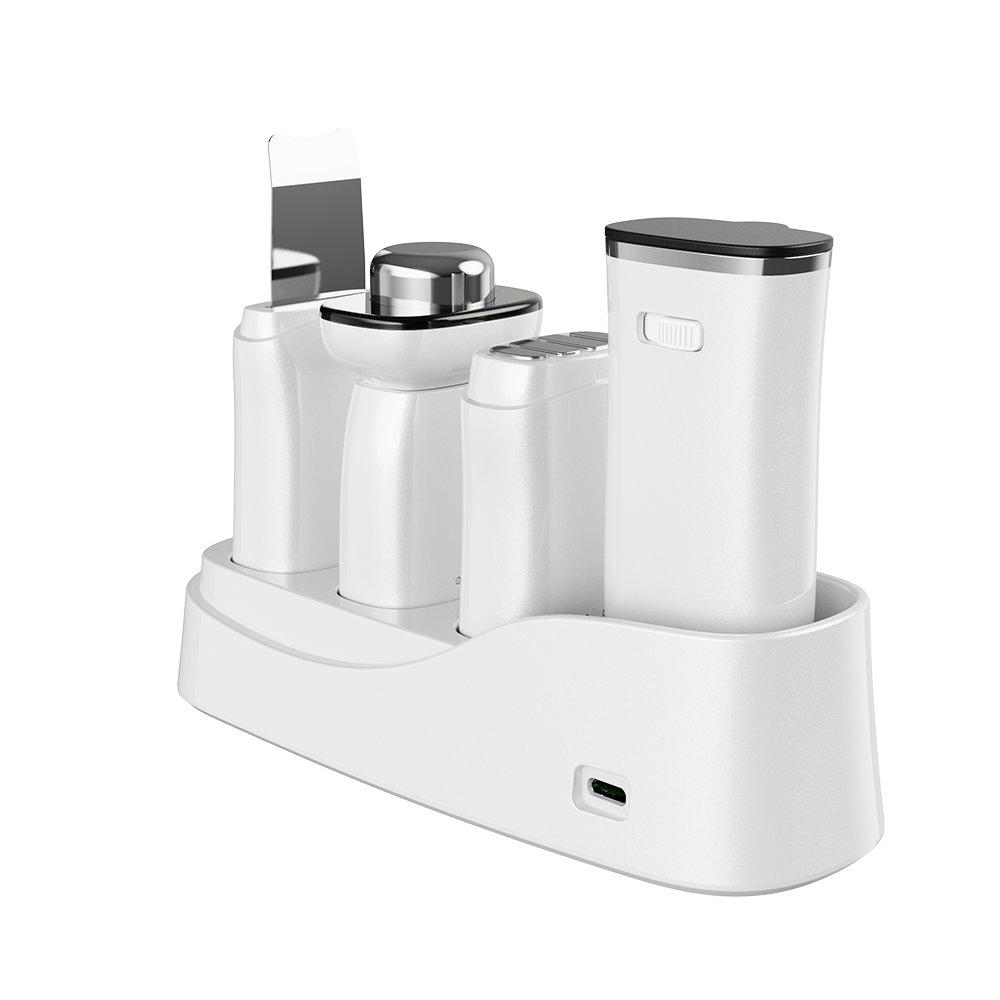
When your skin flushes easily, stings after a new serum, or flares with too much friction, choosing a device calls for a different standard than simply choosing the strongest feature list. In sensitive-skin skin care, the best device is usually the one that adds the least avoidable stress while serving a specific, realistic goal. As someone who evaluates home beauty tools by whether their results can be used consistently, I would start with tolerance—not transformation promises.
Sensitivity is not one diagnosis. It can accompany a disrupted barrier, acne treatment, rosacea-prone skin, eczema, allergy, or a temporary reaction after exfoliation. That is why a gentle device can still be wrong at the wrong time. If you have an active rash, broken skin, marked swelling, or a diagnosed condition that is worsening, pause device use and ask a dermatologist for individualized advice.
For reactive complexions, the most useful skin care device categories tend to be those with low friction, controllable intensity, and clear instructions. The table below is a practical starting point rather than a medical ranking.
| Device category | Why it may suit sensitive skin | Use extra caution when |
|---|---|---|
| Cool compress or cooling tool | Can feel soothing and avoids exfoliating particles or suction. | Do not apply extreme cold directly to skin or use it to push through a flare. |
| Non-contact LED device | It avoids physical scrubbing and lets users follow a timed, hands-off session. | Choose a reputable device, follow eye-safety instructions, and stop for persistent redness or discomfort. |
| Low-setting microcurrent tool | Intensity is adjustable and contact is typically gliding rather than abrasive. | It needs an appropriate conductive medium; do not use it if its contraindications apply to you. |
| Gentle silicone cleansing brush | May be easier to control than a rough cloth when used briefly and lightly. | Skip it during irritation, over-cleansing, or when your routine already includes strong actives. |
The common thread is control. A tool with a low setting, short timer, smooth contact surface, and no heat or suction is generally easier to introduce than a device that combines several intense modalities.
A smooth cooling roller, chilled reusable compress, or device with a mild cooling function can fit a sensitive-skin skin care routine when the goal is temporary comfort. Use a clean barrier between a very cold item and the face, keep the session brief, and use gentle pressure. Cooling does not resolve the cause of sensitivity, but it may be preferable to aggressive massage on a day when skin feels warm or reactive.
Home LED devices are attractive because they do not rely on scrubbing or extraction. A systematic review of home dermatology devices noted that LED research has reported occasional mild dryness, redness, and peeling, even though results and tolerability vary by device and intended use. That is a useful reality check: non-contact does not mean no-risk. For sensitive skin, select a device with clear directions, use the shortest prescribed schedule at first, avoid stacking it with a new active, and protect your eyes exactly as instructed.
Heated radiofrequency, strong facial massage, abrasive cleansing heads, pore vacuums, dermaplaning tools, and at-home microneedling can create more heat, friction, pressure, or micro-injury than reactive skin comfortably tolerates. That does not make every category unsuitable for every person, but it makes them poor first choices during a sensitivity phase. A useful rule is to avoid adding mechanical intensity to a routine already causing tightness, peeling, burning, or prolonged redness.
Microcurrent sits in the middle. Some people tolerate a low setting well, while others react to the conductive gel, pressure, or frequent use. Check the manufacturer’s contraindications, use only the recommended medium, and do not treat a stronger sensation as evidence of better skin care.
Keep the rest of your skin care routine boring for the first week: gentle cleanser, familiar moisturizer, and daytime sun protection if you tolerate it. Introduce only one device and do not pair it with a new serum, scrub, peel, or retinoid. Use the device once at its mildest recommended setting, then wait long enough to notice delayed dryness, itching, bumps, or redness. If your skin remains comfortable, follow the manufacturer’s gradual schedule rather than increasing frequency on your own.
Stop and reassess if burning persists, redness lasts longer than expected, your skin feels progressively tighter, or a rash appears. “Pushing through” is not a sensible sensitive-skin strategy. If you have rosacea, eczema, allergies, melasma, a history of light sensitivity, or are under treatment for a skin condition, getting professional guidance before investing in a device can save both skin stress and money.
Use this compact checklist to keep a new device from becoming the most disruptive part of your routine.
The best skin care devices for sensitive skin types are usually simple, adjustable, and low-impact: carefully used cooling tools, well-instructed non-contact LED devices, and in some cases low-setting microcurrent or a very gentle silicone cleanser. The best choice depends on your triggers and current skin status, not a viral before-and-after. Start conservatively, keep your routine stable, and let comfort over several uses—not a single intense session—determine whether the device earns a lasting place on your shelf.

2026/10/30
Discover why in-house mold development helps an RF beauty device manufacturer improve product consistency, iteration speed, tooling control, and production readiness.

2026/10/30
Learn how to verify an RF beauty device manufacturer's R&D and prototyping capabilities using practical engineering workflows and audit checklists.

2026/10/30
Learn what shapes MOQ when choosing an RF beauty device manufacturer and how to plan a lower-risk first order with balanced platform and customization.

2026/10/30
Use this RF beauty device manufacturer evaluation checklist to compare safety evidence, OEM and ODM capability, quality control, and launch readiness.

2026/10/30
See how technology makes beauty at home more guided, consistent, and informed—plus a practical checklist for choosing devices wisely.

2026/10/30
Explore how AI and smart devices shape the future of beauty with responsive routines, clear guidance, trustworthy design, and user-controlled care.

Ideal for daily facial care routines, providing easy-to-use beauty solutions at home.

Perfect for spas and salons’ frequent treatments, enhancing client experiences and results.

Supports dermatologists with advanced devices for professional skin therapy sessions.

Delivers innovative solutions for full-body massage and relaxation with home devices.

Features anti-aging technologies to help reduce wrinkles and stimulate skin vitality.

Specialized devices for safe and effective hair removal suitable for home or clinic use.

Our customers love the Perfect Idea beauty devices. Quality, packaging, and results are all outstanding. We saw increased repeat sales after adding their facial cleansers to our lineup. Their support team is responsive and reliable.

Perfect Idea brings innovation and reliability to home beauty appliances. Our collaboration introduced their massage tools to Japanese women, boosting customer satisfaction and growing our brand trust across the region.

We partnered with Shenzhen Perfect Idea Tech for their beauty equipment. The shipping was fast and every product matched our expectations. Their home-use massagers are especially popular with local salons and home users.

The stylish packaging and attractive design make Perfect Idea stand out. French consumers appreciate the easy instructions and visible results. Communication was efficient and orders always arrived on time.

Perfect Idea home use personal care devices have become a favorite with our clients. The beauty device line offers quality at a reasonable price, and technical training for our staff made onboarding easy.

We selected Perfect Idea for our beauty product portfolio and have seen very positive feedback from our customers. Products are easy to market online and the customer support is reliable and helpful.
