 EN
Home Skincare
Ideal for daily facial care routines, providing easy-to-use beauty solutions at home.

2026/09/23
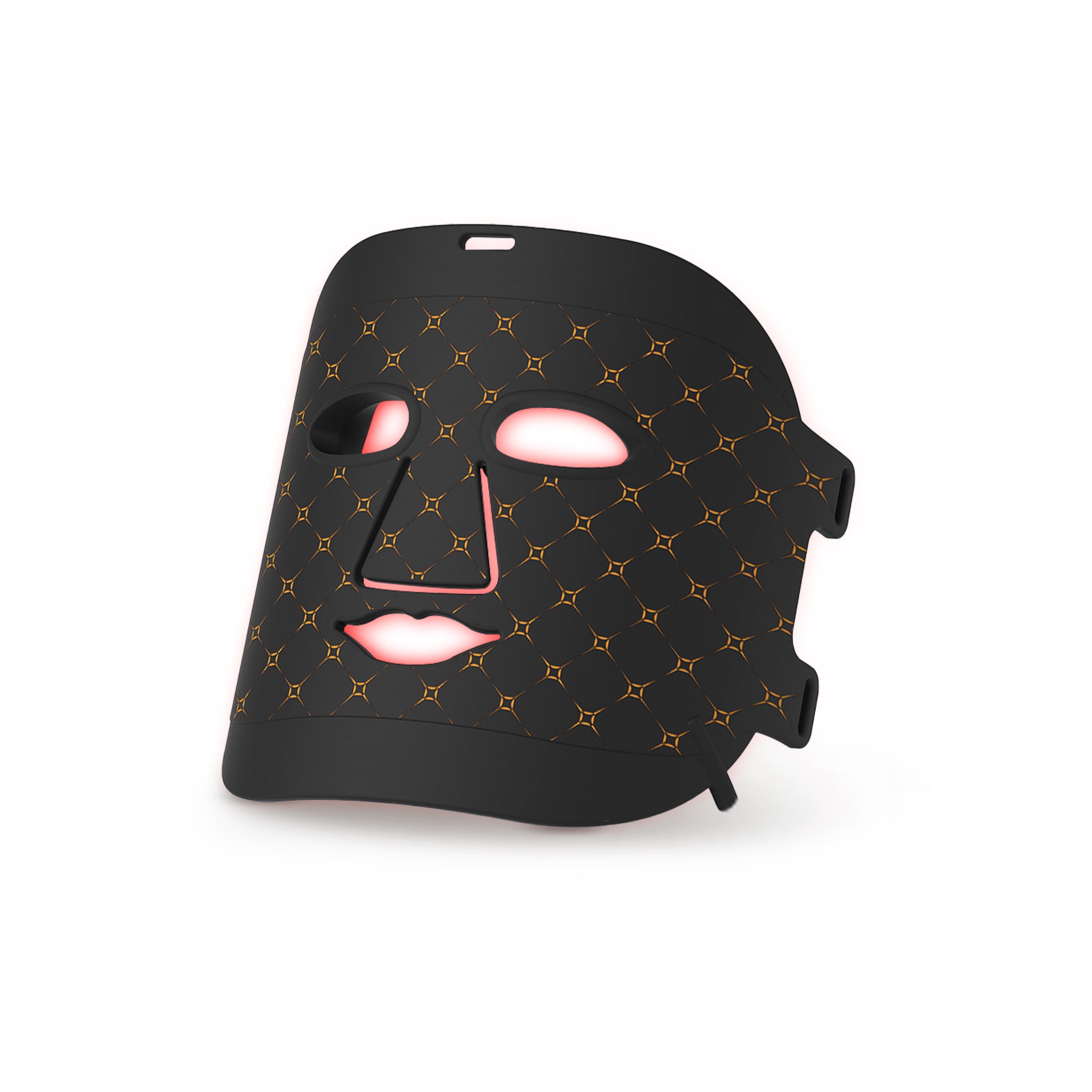
For sensitive skin, a suitable red light therapy face device is usually not the one with the longest feature list. It is the one you can introduce slowly, wear comfortably, and use without turning a calm routine into a guessing game. A red light therapy face routine should feel controlled: low heat, simple controls, sensible eye protection, and clear instructions matter more than dramatic claims.
As a home-beauty-device technical adviser, I look first at whether a device supports repeatable, comfortable use. Sensitive skin is not one fixed category. It may mean temporary irritation from over-exfoliation, persistent dryness, rosacea-prone skin, acne treatment, or a diagnosed condition. That distinction changes whether a red light therapy face device belongs in your routine at all. If your skin is actively inflamed, painful, peeling, or under medical treatment, ask a dermatologist before starting.
For most people seeking a red light therapy face option at home, a flexible LED mask is the most practical starting format. It distributes light across the face without pressing a treatment head repeatedly over one area. A panel can work, but it requires more attention to distance, angle, and eye comfort. Handheld tools are useful for a small area, yet they make it easier to overtreat a spot when you are impatient for change.
The important correction is this: “more powerful” is not automatically “better” for sensitive skin. A good red light therapy face device should offer a predictable session length and avoid a distracting sensation of heat. Comfort affects consistency, and consistency is the part of home light therapy that people can actually control.
| Format | Why it can suit sensitive skin | What to check first |
|---|---|---|
| Flexible LED mask | Hands-free, even facial coverage, often easy to keep sessions consistent | Soft contact points, adjustable straps, eye comfort, timer |
| Face-focused panel | No direct contact with skin and can be useful in a seated routine | Stable stand, clear distance guidance, glare control, heat management |
| Handheld device | Targeted use may be helpful for a small, defined area | Clear treatment-area guidance; avoid repeatedly passing over reactive skin |
When comparing a red light therapy face mask, silicone-like flexibility can be helpful because a rigid shell can create pressure points around the nose or temples. But a soft mask is not automatically a safer mask. Look for a well-written manual, a built-in timer, a stable charging setup, and a return policy that lets you assess comfort without taking risks.
Use this short checklist when choosing a red light therapy face device. First, favor a face-specific design over a product that is vague about how it should be positioned. Second, choose simple session controls. A device with a defined timer reduces the temptation to extend a session because you cannot see an instant result. Third, assess fit. If the straps pull or the eye area feels exposed, you are unlikely to maintain a gentle routine.
A red light therapy face device should not be selected on the basis of a claimed wavelength, irradiance number, or medical-sounding label alone. Those details only become useful when they are presented with testing context, intended distance, and clear directions. When that context is missing, the safer decision is to move on.
Patch testing is associated more often with topical products, but the principle applies here: change one thing at a time. Begin a red light therapy face routine on clean, dry skin with no new active product underneath. Use the shortest manufacturer-supported session and wait to see how your skin behaves over the next day or two. Do not combine the first sessions with a new acid, retinoid, scrub, or strongly fragranced product.
Many people expect immediate visible change. A better expectation is to watch for tolerability first. If your skin barrier is already stressed, even a normally gentle red light therapy face routine may be too much right now. Pause if you notice lasting redness, burning, itching, swelling, a rash, or a flare of an existing condition. Restart only after the skin has settled and after professional advice when appropriate.
This approach can feel less exciting than jumping into daily use, but it is more useful. A suitable red light therapy face device is the one that fits into a routine you can sustain without confusing irritation with progress.
Skip a new red light therapy face device for now if you are in the middle of a significant flare, recovering from a procedure, using a photosensitizing medicine, or unsure why your skin is reacting. Light-based care is an emerging area, and individual response varies. A clinician can help decide whether your concern needs diagnosis or a treatment plan before an at-home device.
Also be cautious of “one-size-fits-all” lists. Sensitive-skin buyers need a decision framework, not a universal winner. A flexible LED mask may suit someone who wants even coverage and a short, hands-free session. A face-focused panel may suit someone who dislikes contact on the skin. A handheld red light therapy face tool may suit a carefully defined use case, but it demands more discipline.
Choose a red light therapy face device with a comfortable face-specific format, transparent instructions, manageable session controls, and support you can contact. For many sensitive-skin users, that points toward a gentle, well-fitting LED mask rather than a high-intensity-looking device or an undefined multipurpose tool. Keep expectations modest, introduce it gradually, and let skin comfort—not a headline claim—guide the next session.
Some people can, but it depends on the cause and current state of sensitivity. Start conservatively, follow the manual, avoid stacking new irritants, and seek clinical advice for persistent, diagnosed, or worsening concerns.
Use the manufacturer’s introductory schedule rather than inventing a longer one. With sensitive skin, comfort over the following day is more informative than trying to speed up a result.
A mask is often easier for even facial coverage; a panel avoids face contact but needs more attention to positioning. Choose the format that you can use comfortably and exactly as instructed.

2026/10/30
Discover why in-house mold development helps an RF beauty device manufacturer improve product consistency, iteration speed, tooling control, and production readiness.

2026/10/30
Learn how to verify an RF beauty device manufacturer's R&D and prototyping capabilities using practical engineering workflows and audit checklists.

2026/10/30
Learn what shapes MOQ when choosing an RF beauty device manufacturer and how to plan a lower-risk first order with balanced platform and customization.

2026/10/30
Use this RF beauty device manufacturer evaluation checklist to compare safety evidence, OEM and ODM capability, quality control, and launch readiness.

2026/10/30
See how technology makes beauty at home more guided, consistent, and informed—plus a practical checklist for choosing devices wisely.

2026/10/30
Explore how AI and smart devices shape the future of beauty with responsive routines, clear guidance, trustworthy design, and user-controlled care.

Ideal for daily facial care routines, providing easy-to-use beauty solutions at home.

Perfect for spas and salons’ frequent treatments, enhancing client experiences and results.

Supports dermatologists with advanced devices for professional skin therapy sessions.

Delivers innovative solutions for full-body massage and relaxation with home devices.

Features anti-aging technologies to help reduce wrinkles and stimulate skin vitality.

Specialized devices for safe and effective hair removal suitable for home or clinic use.

Our customers love the Perfect Idea beauty devices. Quality, packaging, and results are all outstanding. We saw increased repeat sales after adding their facial cleansers to our lineup. Their support team is responsive and reliable.

Perfect Idea brings innovation and reliability to home beauty appliances. Our collaboration introduced their massage tools to Japanese women, boosting customer satisfaction and growing our brand trust across the region.

We partnered with Shenzhen Perfect Idea Tech for their beauty equipment. The shipping was fast and every product matched our expectations. Their home-use massagers are especially popular with local salons and home users.

The stylish packaging and attractive design make Perfect Idea stand out. French consumers appreciate the easy instructions and visible results. Communication was efficient and orders always arrived on time.

Perfect Idea home use personal care devices have become a favorite with our clients. The beauty device line offers quality at a reasonable price, and technical training for our staff made onboarding easy.

We selected Perfect Idea for our beauty product portfolio and have seen very positive feedback from our customers. Products are easy to market online and the customer support is reliable and helpful.
