 EN
Home Skincare
Ideal for daily facial care routines, providing easy-to-use beauty solutions at home.

2026/10/24
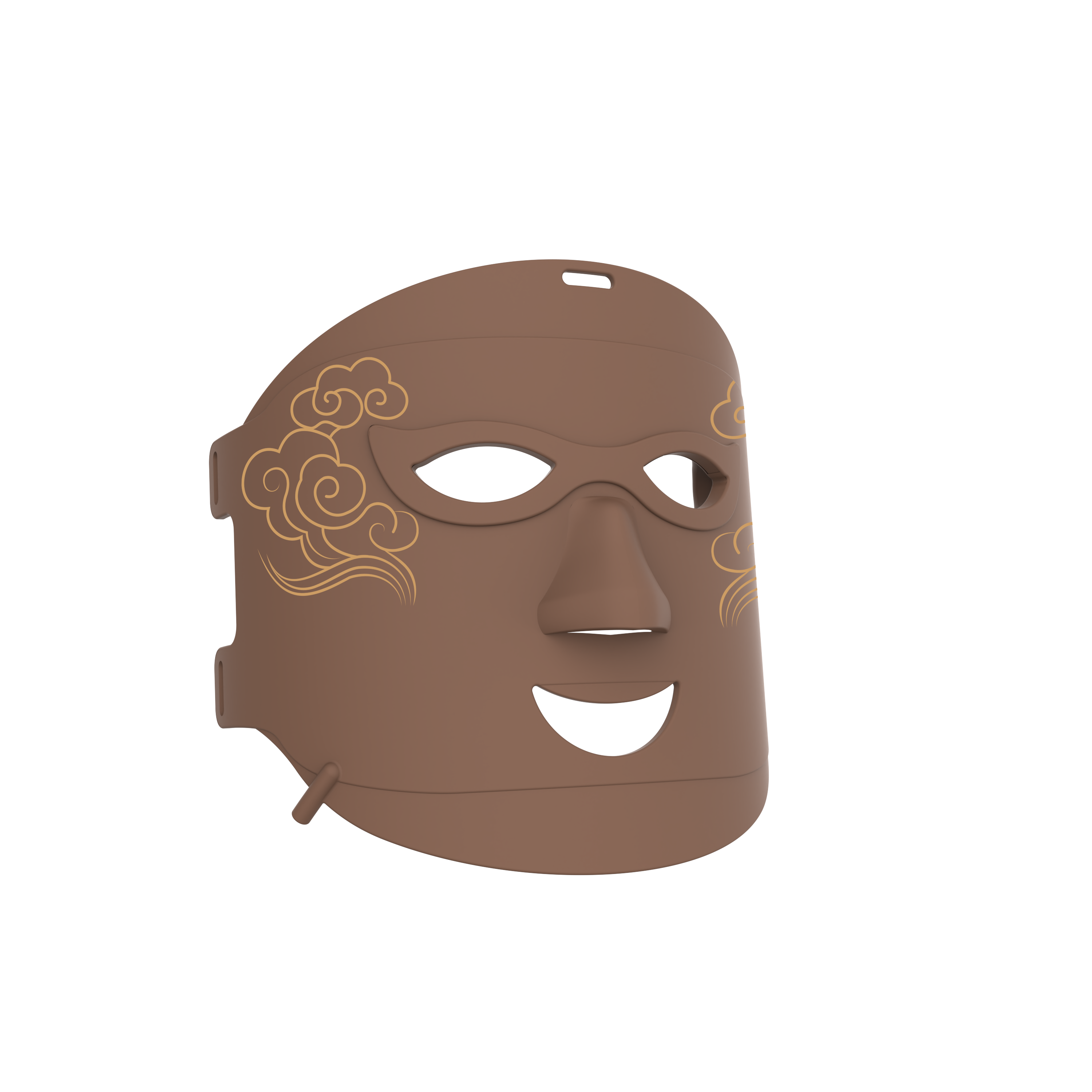
There is no single universal device for every face. The most useful home use beauty equipment for anti-aging results matches one visible concern, your tolerance for a routine, and a technology you can use consistently. As a beauty-device technical advisor, I look beyond a long feature list: a well-made device used as directed is more useful than an ambitious tool that stays in a drawer.
For most people, the practical categories to compare are LED light devices, microcurrent devices, and home radiofrequency (RF) devices. They are not interchangeable. Each has a different use case, and none replaces sun protection, a sound skincare routine, or medical advice for a skin concern.
Before choosing home use beauty equipment, name the concern in plain language. Do you want to support a more even-looking complexion, maintain facial tone, or focus on the look of mild laxity and fine lines? A device can be a useful complement to skincare, but meaningful change is usually gradual. If a product suggests dramatic, permanent, or instant transformation, treat that as a reason to investigate the claim rather than a reason to buy.
Many shoppers start by comparing every specification. In practice, usability and skin comfort often matter more. A device with a simple schedule, clear instructions, and a format you can tolerate is more likely to become part of a routine.
LED masks and panels are commonly considered when someone wants light-based skincare at home. Red-light and near-infrared modes are frequently positioned for anti-aging routines, while other light modes may serve different concerns. It is more useful to ask whether the manufacturer clearly explains the intended use, session guidance, eye protection, and device safety information.
For people who prefer a non-contact ritual, LED home use beauty equipment can be an approachable starting point. The American Academy of Dermatology notes that FDA clearance is a low-risk device classification, not the same as FDA approval or certification. Follow the supplied directions, and speak with a dermatologist first if you have photosensitivity, a relevant medical condition, or concerns about pigment changes.
Microcurrent tools use low-level electrical stimulation and are often chosen by people who want a quick, repeatable facial-toning step. The result is better framed as maintenance than a substitute for a professional procedure. Look for clear intensity controls, contact-medium instructions, and contraindications. Skipping conductive gel or pushing intensity because a session feels too subtle is not a shortcut to a better result.
If your priority is a short treatment that fits several times into a weekly routine, a microcurrent device may be worth comparing. If you have an implanted electronic device, are pregnant, have a diagnosed condition, or are unsure whether electrical stimulation is appropriate for you, check with a qualified clinician before use.
Home RF devices are generally designed around controlled warmth. They appeal to users looking for a more intensive at-home step for the appearance of firmness. Because heat-based devices require careful use, good design is not just about power claims. Look for sensible safety features, understandable instructions, skin-contact guidance, and a brand that explains who should not use the device.
RF can be a reasonable category to investigate when you understand the upkeep involved. It may not suit reactive skin, anyone prone to irritation, or a buyer who cannot follow a treatment schedule. When in doubt, select the gentler option or ask a dermatologist for advice.
Introduce one device at a time so you can notice how your skin responds. Start at the recommended setting and frequency, rather than combining multiple high-intensity treatments in the hope of faster results. Keep the device clean, use it on the skin condition described in the manual, and stop if you experience persistent irritation, pain, or an unexpected reaction.
A consistent basics-first routine remains important: daily broad-spectrum sunscreen, gentle cleansing, moisturization suited to your skin, and professional care when you have an active skin problem. Home use beauty equipment works as an optional layer of care, not as a replacement for these fundamentals.
The right home use beauty equipment is the one that matches your goal and safety needs without asking you to believe exaggerated promises. Choose an LED device if you want a simple light-based ritual and can follow its protocol. Consider microcurrent if a short, regular toning routine appeals to you. Explore RF only if you are comfortable following heat-related safety guidance and the device’s intended-use limits.
Finally, give any routine time. Take consistent photos in similar lighting, assess comfort as well as appearance, and avoid changing five products at once. That measured approach helps you decide whether a device belongs in your anti-aging routine.

2026/10/30
Discover why in-house mold development helps an RF beauty device manufacturer improve product consistency, iteration speed, tooling control, and production readiness.

2026/10/30
Learn how to verify an RF beauty device manufacturer's R&D and prototyping capabilities using practical engineering workflows and audit checklists.

2026/10/30
Learn what shapes MOQ when choosing an RF beauty device manufacturer and how to plan a lower-risk first order with balanced platform and customization.

2026/10/30
Use this RF beauty device manufacturer evaluation checklist to compare safety evidence, OEM and ODM capability, quality control, and launch readiness.

2026/10/30
See how technology makes beauty at home more guided, consistent, and informed—plus a practical checklist for choosing devices wisely.

2026/10/30
Explore how AI and smart devices shape the future of beauty with responsive routines, clear guidance, trustworthy design, and user-controlled care.

Ideal for daily facial care routines, providing easy-to-use beauty solutions at home.

Perfect for spas and salons’ frequent treatments, enhancing client experiences and results.

Supports dermatologists with advanced devices for professional skin therapy sessions.

Delivers innovative solutions for full-body massage and relaxation with home devices.

Features anti-aging technologies to help reduce wrinkles and stimulate skin vitality.

Specialized devices for safe and effective hair removal suitable for home or clinic use.

Our customers love the Perfect Idea beauty devices. Quality, packaging, and results are all outstanding. We saw increased repeat sales after adding their facial cleansers to our lineup. Their support team is responsive and reliable.

Perfect Idea brings innovation and reliability to home beauty appliances. Our collaboration introduced their massage tools to Japanese women, boosting customer satisfaction and growing our brand trust across the region.

We partnered with Shenzhen Perfect Idea Tech for their beauty equipment. The shipping was fast and every product matched our expectations. Their home-use massagers are especially popular with local salons and home users.

The stylish packaging and attractive design make Perfect Idea stand out. French consumers appreciate the easy instructions and visible results. Communication was efficient and orders always arrived on time.

Perfect Idea home use personal care devices have become a favorite with our clients. The beauty device line offers quality at a reasonable price, and technical training for our staff made onboarding easy.

We selected Perfect Idea for our beauty product portfolio and have seen very positive feedback from our customers. Products are easy to market online and the customer support is reliable and helpful.
