 EN
Home Skincare
Ideal for daily facial care routines, providing easy-to-use beauty solutions at home.

2026/10/15
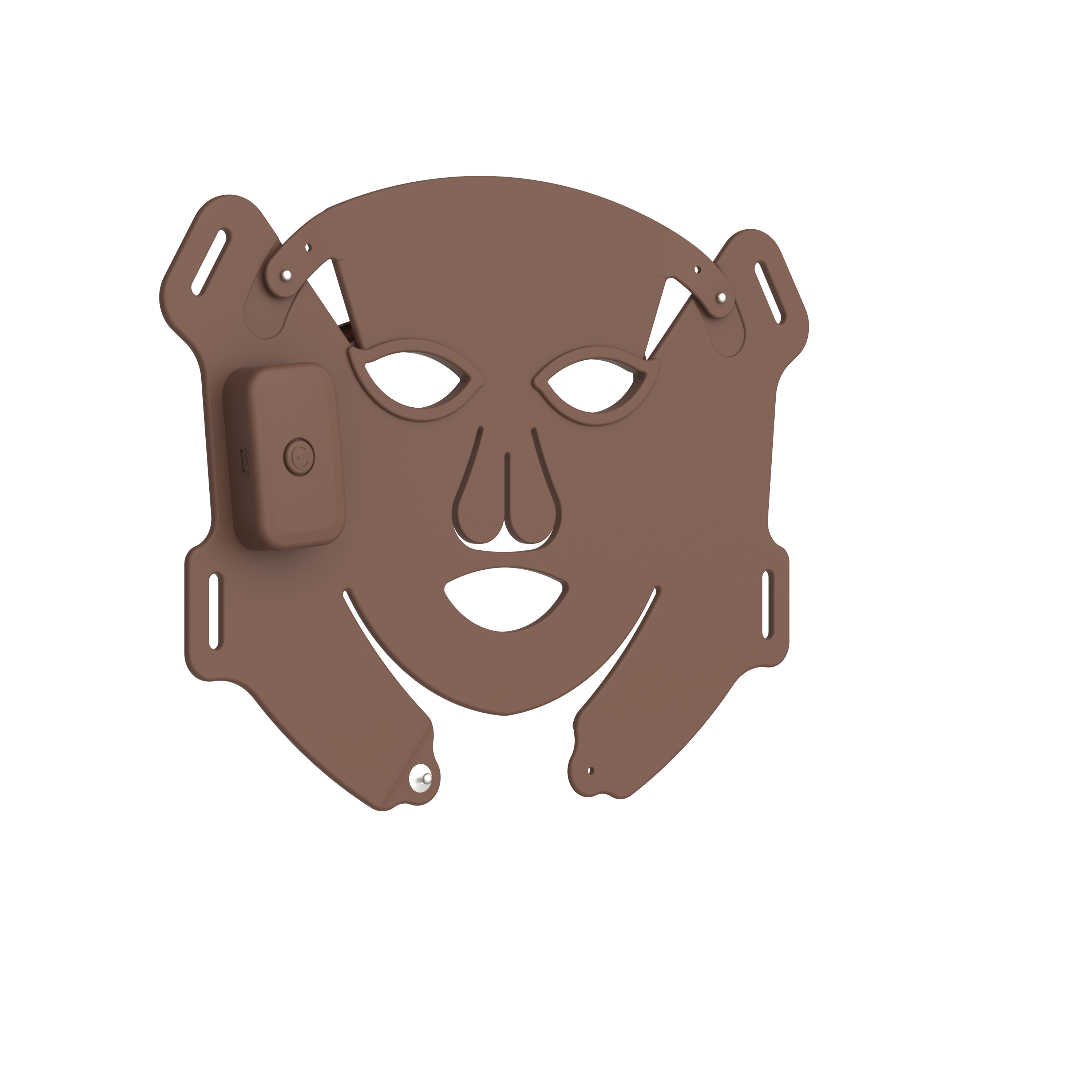
Acne-prone skin often needs a routine that is effective without becoming more irritating. That is why LED light therapy attracts attention: it is noninvasive, does not rely on scrubbing or peeling, and can fit alongside a simple dermatologist-guided acne plan. Still, the useful way to think about LED light therapy is as supportive care, not a cure or a replacement for medical treatment when acne is persistent, painful, or scarring.
As a home beauty-device technical adviser, I start with the goal rather than the light color. For someone with active inflammatory breakouts, the relevant question is whether a device’s wavelength, treatment schedule, and safety instructions suit their skin and existing products. A mask with more settings is not automatically more helpful; consistent, appropriate use matters more.
LED light therapy uses light-emitting diodes to deliver specific wavelengths to the skin without ultraviolet exposure. Acne devices commonly feature blue light, red light, or both. The research base is not identical for every device, protocol, or acne severity, so benefits should be described carefully.
Blue wavelengths are studied because they can interact with compounds produced by Cutibacterium acnes, a bacterium involved in acne. A systematic review reported bactericidal activity for light in roughly the 407–420 nm range, although the included studies used different schedules and outcome measures. In practical terms, blue LED light therapy may be a reasonable adjunct for some people with mild to moderate inflammatory breakouts. It is not a promise that every pimple will disappear, and it is less likely to be enough on its own for nodules, cysts, or acne that is leaving scars.
Red light is often paired with blue light because it is being studied for its potential anti-inflammatory effects. Combined protocols are intended to address more than one part of the acne picture: blue light targets a bacterial pathway, while red light may help support a calmer-looking complexion. This does not mean red light treats every type of redness. Post-acne marks, active inflammation, rosacea, and irritation from strong products can look similar but need different approaches.
It helps to correct a common assumption here. Many people initially assume that a more expensive device or a longer session must produce better results. More accurately, the useful choice is the one with clearly stated treatment directions, eye-safety guidance, and a routine you can maintain without over-treating your skin.
LED light therapy is usually assessed over weeks, not after one use. In a seven-week open-label study of combined 415 nm and 633 nm phototherapy, participants with mild-to-moderate acne had reductions in inflammatory and noninflammatory lesion counts. That result is encouraging context, but it cannot predict an identical response from a different device or for an individual with a different acne pattern.
Track a few practical signs instead of judging your skin every day: the number of new inflamed spots, how quickly a breakout settles, dryness or sensitivity, and whether your baseline routine remains tolerable. Photos taken in similar lighting once a week can be more useful than close inspection in the mirror. If breakouts become more irritated, pause and reassess rather than increasing sessions.
LED light therapy should not delay professional care for deep, painful cysts, rapidly worsening acne, scarring, widespread rash, or acne that is affecting confidence and daily life. A dermatologist can distinguish acne from other conditions and discuss prescription options when needed. It is also sensible to seek advice before using a device if you have a photosensitivity disorder, take photosensitizing medication, or have an eye condition that could affect safe use.
Look beyond color labels. A responsible LED light therapy device should state the wavelengths it uses, give clear session and eye-protection instructions, and avoid cure-all promises. If your priority is acne support, prioritize evidence-aware blue or blue/red functionality and an easy-to-follow schedule over extra, unrelated modes. A suitable fit is not necessarily the device with the longest feature list; prioritize instructions, comfort, and safety boundaries that make consistent use realistic.
For acne-prone skin, LED light therapy may offer a low-disruption way to support a calmer routine and, for some people, help reduce mild inflammatory breakouts over time. Treat it as an adjunct, use it consistently and cautiously, and keep expectations grounded. If acne is severe, painful, or scarring, professional diagnosis and treatment remain the priority.

2026/10/30
Discover why in-house mold development helps an RF beauty device manufacturer improve product consistency, iteration speed, tooling control, and production readiness.

2026/10/30
Learn how to verify an RF beauty device manufacturer's R&D and prototyping capabilities using practical engineering workflows and audit checklists.

2026/10/30
Learn what shapes MOQ when choosing an RF beauty device manufacturer and how to plan a lower-risk first order with balanced platform and customization.

2026/10/30
Use this RF beauty device manufacturer evaluation checklist to compare safety evidence, OEM and ODM capability, quality control, and launch readiness.

2026/10/30
See how technology makes beauty at home more guided, consistent, and informed—plus a practical checklist for choosing devices wisely.

2026/10/30
Explore how AI and smart devices shape the future of beauty with responsive routines, clear guidance, trustworthy design, and user-controlled care.

Ideal for daily facial care routines, providing easy-to-use beauty solutions at home.

Perfect for spas and salons’ frequent treatments, enhancing client experiences and results.

Supports dermatologists with advanced devices for professional skin therapy sessions.

Delivers innovative solutions for full-body massage and relaxation with home devices.

Features anti-aging technologies to help reduce wrinkles and stimulate skin vitality.

Specialized devices for safe and effective hair removal suitable for home or clinic use.

Our customers love the Perfect Idea beauty devices. Quality, packaging, and results are all outstanding. We saw increased repeat sales after adding their facial cleansers to our lineup. Their support team is responsive and reliable.

Perfect Idea brings innovation and reliability to home beauty appliances. Our collaboration introduced their massage tools to Japanese women, boosting customer satisfaction and growing our brand trust across the region.

We partnered with Shenzhen Perfect Idea Tech for their beauty equipment. The shipping was fast and every product matched our expectations. Their home-use massagers are especially popular with local salons and home users.

The stylish packaging and attractive design make Perfect Idea stand out. French consumers appreciate the easy instructions and visible results. Communication was efficient and orders always arrived on time.

Perfect Idea home use personal care devices have become a favorite with our clients. The beauty device line offers quality at a reasonable price, and technical training for our staff made onboarding easy.

We selected Perfect Idea for our beauty product portfolio and have seen very positive feedback from our customers. Products are easy to market online and the customer support is reliable and helpful.
