 EN
Home Skincare
Ideal for daily facial care routines, providing easy-to-use beauty solutions at home.

2026/10/16
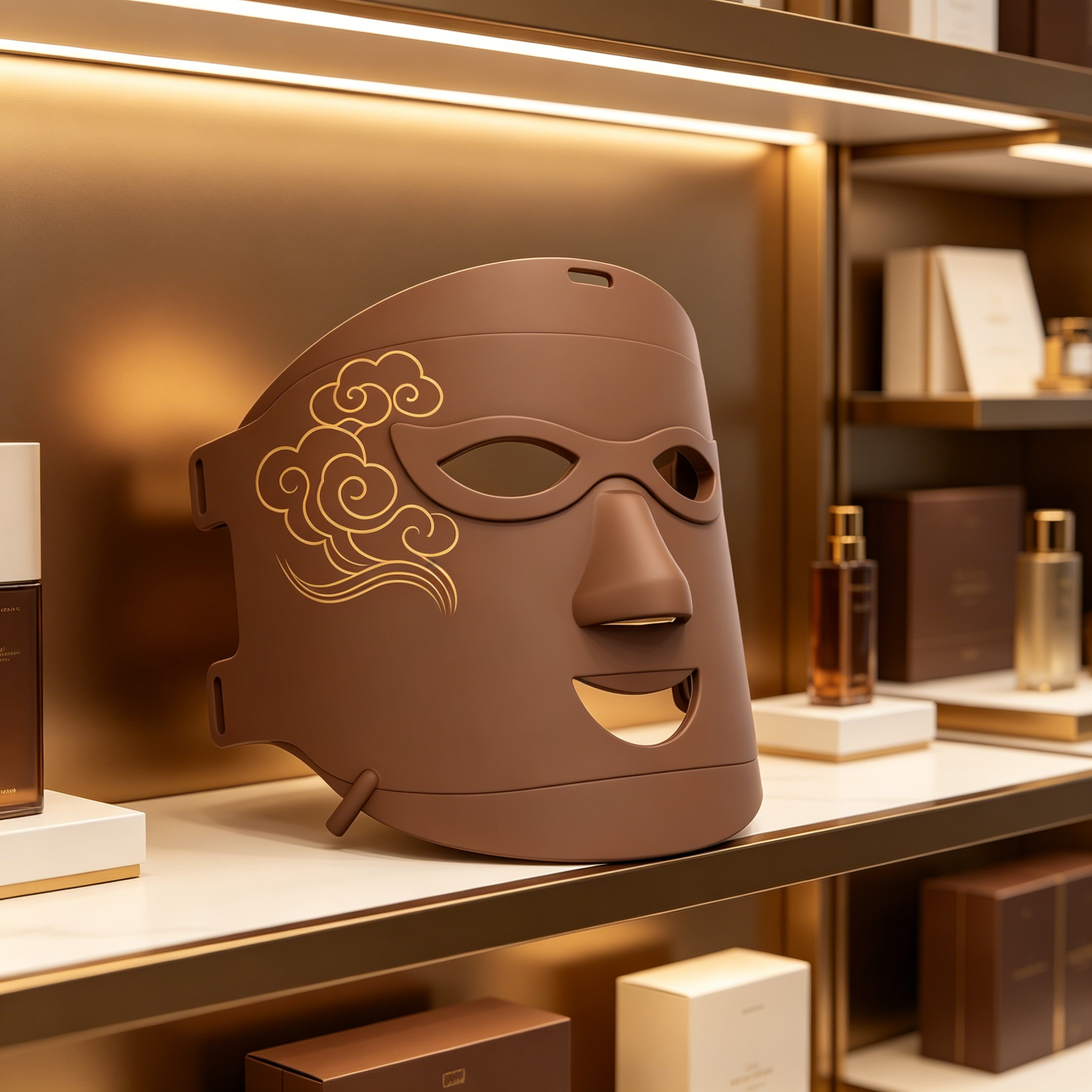
A cordless red light mask can make a skincare routine easier to keep when a trip disrupts the usual bathroom-counter setup. The most meaningful advantage is not that travel somehow makes light therapy work better. It is that a rechargeable, cable-free device can remove a small but real friction point: finding an outlet, stretching a lead across an unfamiliar room, or deciding that a routine is too awkward to pack. For travelers who already use a red light mask consistently, that convenience may help protect the habit.
From a practical product-development perspective, travel suitability is a system rather than a single feature. A good travel-ready red light mask needs a sensible fit, a protected controller or battery arrangement, a clear charging method, and a way to pack it without crushing the light panel. It should also set realistic expectations. A few days away do not call for a more aggressive session schedule, and a portable device is not a substitute for sleep, sun protection, or advice from a qualified clinician when skin concerns need medical attention.
A compelling reason to choose a cordless red light mask is freedom of placement. You can use it where you are comfortable—on a hotel bed, in a quiet guest room, or while settling in after a long flight—without planning the session around a wall socket. That may sound modest, but skincare routines often disappear on the road because every extra setup task competes with meetings, dining plans, jet lag, and limited counter space.
A cable-free design also reduces clutter. In a compact hotel room, a cord can snag on a suitcase, disappear behind furniture, or make a session feel less relaxing. A rechargeable LED device with a timed program lets the user focus on the session rather than the location of the outlet. It is especially useful where power sockets are scarce or inconveniently placed. In that setting, a cordless red light mask can feel much less fussy than a wired setup.
Not every cordless LED mask is equally easy to travel with. The better choice is usually the one that earns room in a carry-on through several details working together:
These advantages are about usability, not a promise of a particular cosmetic result. A traveler choosing a red light mask should still compare the actual device instructions and battery details. Light settings, fit, battery capacity, and intended use differ by model, so compare the actual product documentation before buying.
An LED facial device is generally used as part of a repeated at-home routine. Travel can interrupt that pattern, which is why convenience has value. A cordless format makes it easier to continue the schedule recommended by the device maker when the routine is appropriate for the user. It does not mean more sessions are better, nor does it justify extending treatment time to “catch up.”
Keep the distinction clear: the potential benefit of a travel-ready device is adherence. Any appearance-related benefits depend on the specific product, its instructions, individual skin, and consistent use over time. Avoid treating marketing claims, wavelength numbers, or certification language as interchangeable proof across all masks. If you have a photosensitivity condition, take medication that can increase light sensitivity, are pregnant, or are managing an active skin condition, speak with an appropriate healthcare professional before use.
Before flying with a rechargeable LED mask, inspect the label or manual for battery information and check your airline’s current policy. U.S. Transportation Security Administration guidance says spare lithium-ion batteries and power banks belong in carry-on baggage, and it notes that security officers may ask a traveler to power up electronic devices. Rules can vary by carrier, country, and battery configuration, so this is a planning prompt—not a universal packing guarantee. Treat a red light mask as a personal electronic device whose own documentation matters.
For a battery-powered device, a sensible approach is to charge it before departure, bring the correct cable in your carry-on, and keep the device protected from pressure. Do not pack a damaged, swollen, overheating, or recalled battery device. If the mask has a detachable battery or controller, read its manual and the airline requirements before separating parts or placing anything in checked baggage.
A cordless LED mask is not automatically the right choice for every buyer. If the device will mostly stay at home, a corded model may be practical. A wired design can also suit users who prefer not to manage charging or who want the reassurance of plugging in at a fixed location. The better question is whether battery-powered convenience solves a genuine routine problem for you. For some people, a red light mask earns its suitcase space precisely because it removes the outlet problem.
For frequent travelers, a cordless model can be a thoughtful companion because it reduces setup hassle and makes a familiar routine more portable. Evaluate battery information, protective storage, fit, controls, and care guidance before treating “cordless” as a complete answer.
The core benefit of a cordless red light mask for travel is practical continuity. It can simplify where and when you use the device, reduce cable clutter, and help an established routine survive changing schedules. Pack it carefully, follow the product’s instructions, check current airline rules, and keep expectations grounded. The right device is the one you can transport safely and use consistently—not merely the one with the longest feature list.

2026/10/30
Discover why in-house mold development helps an RF beauty device manufacturer improve product consistency, iteration speed, tooling control, and production readiness.

2026/10/30
Learn how to verify an RF beauty device manufacturer's R&D and prototyping capabilities using practical engineering workflows and audit checklists.

2026/10/30
Learn what shapes MOQ when choosing an RF beauty device manufacturer and how to plan a lower-risk first order with balanced platform and customization.

2026/10/30
Use this RF beauty device manufacturer evaluation checklist to compare safety evidence, OEM and ODM capability, quality control, and launch readiness.

2026/10/30
See how technology makes beauty at home more guided, consistent, and informed—plus a practical checklist for choosing devices wisely.

2026/10/30
Explore how AI and smart devices shape the future of beauty with responsive routines, clear guidance, trustworthy design, and user-controlled care.

Ideal for daily facial care routines, providing easy-to-use beauty solutions at home.

Perfect for spas and salons’ frequent treatments, enhancing client experiences and results.

Supports dermatologists with advanced devices for professional skin therapy sessions.

Delivers innovative solutions for full-body massage and relaxation with home devices.

Features anti-aging technologies to help reduce wrinkles and stimulate skin vitality.

Specialized devices for safe and effective hair removal suitable for home or clinic use.

Our customers love the Perfect Idea beauty devices. Quality, packaging, and results are all outstanding. We saw increased repeat sales after adding their facial cleansers to our lineup. Their support team is responsive and reliable.

Perfect Idea brings innovation and reliability to home beauty appliances. Our collaboration introduced their massage tools to Japanese women, boosting customer satisfaction and growing our brand trust across the region.

We partnered with Shenzhen Perfect Idea Tech for their beauty equipment. The shipping was fast and every product matched our expectations. Their home-use massagers are especially popular with local salons and home users.

The stylish packaging and attractive design make Perfect Idea stand out. French consumers appreciate the easy instructions and visible results. Communication was efficient and orders always arrived on time.

Perfect Idea home use personal care devices have become a favorite with our clients. The beauty device line offers quality at a reasonable price, and technical training for our staff made onboarding easy.

We selected Perfect Idea for our beauty product portfolio and have seen very positive feedback from our customers. Products are easy to market online and the customer support is reliable and helpful.
