 EN
Home Skincare
Ideal for daily facial care routines, providing easy-to-use beauty solutions at home.

2026/10/24
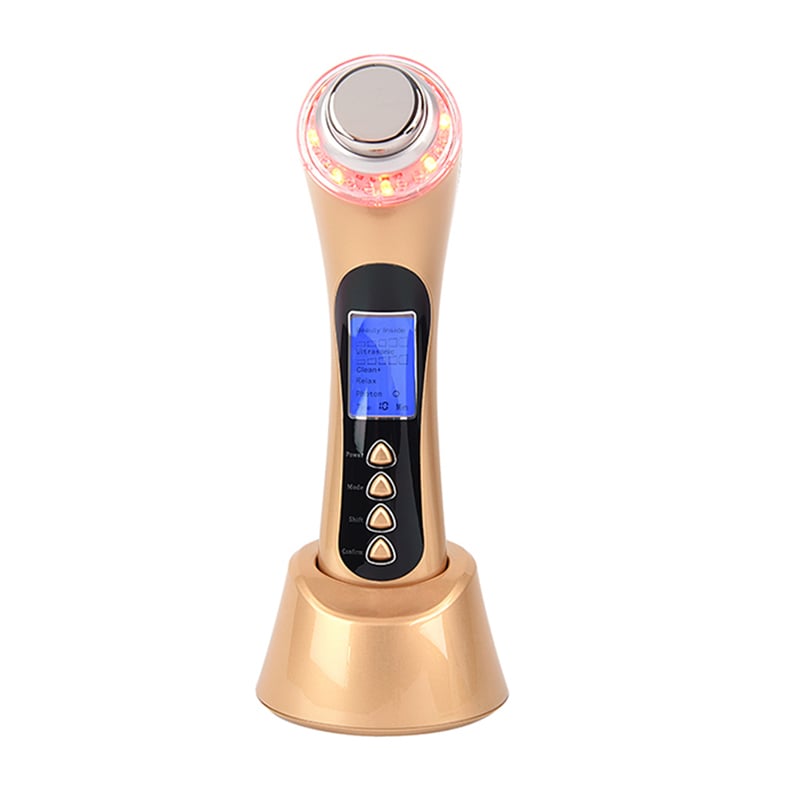
A skin analysis machine is most useful when it turns a consultation into a consistent record, not when it produces the most colorful screen. For an aesthetic practitioner, the aim is to document what is visible today, explain the limits of that observation, and compare like with like at future visits. That is why the right parameters matter more than a long feature list.
From a professional skin-management perspective, I would start with one question: can this skin analysis machine help the team capture the same type of image and measurement under repeatable conditions? If the answer is unclear, a seemingly impressive report can become difficult to use in treatment planning or client conversations.
The five areas below provide a practical scorecard. They are not diagnoses, and they should not replace clinical assessment or referral when that is appropriate. They are the observations a practitioner can track to make consultations clearer and follow-up discussions more grounded.
The first parameter is not a skin concern at all. It is the imaging setup: the light mode, camera position, distance, face alignment, and exposure conditions used at each session. A professional skin analysis machine may use standard, polarized, or UV-related imaging modes. Each mode can make different surface features easier to see, so record which views were captured rather than treating every image as interchangeable.
Consistency is the practical test. Ask whether the device guides head position, uses a stable chin rest or reference frame where applicable, and makes it easy to repeat the same sequence. Hair, makeup, recent cleansing, room light, and camera angle can all change what the image appears to show. A repeatable protocol is often more valuable than a single dramatic-looking result.
Pores and texture are common consultation topics, but they are also easy to oversimplify. A skin analysis machine may map visible pore patterns or texture variation across zones of the face. The useful parameter is not a promise of “smaller pores”; it is a consistent baseline and a zone-by-zone view that supports a realistic conversation about appearance, routine, and follow-up.
Check whether the report separates regions such as the T-zone, cheeks, and chin. A single overall score can hide meaningful local differences. Practitioners should also examine whether a score is accompanied by the underlying image. The image helps the client understand what is being discussed and gives the practitioner a chance to verify that hair, reflections, or expression have not distorted the output.
A skin analysis machine can help document the distribution of visible spots and uneven tone under its available imaging modes. For practitioners, the key parameter is distribution over time: where concerns appear, how the image was captured, and whether the same zones are being compared. Research on advanced imaging systems has explored quantitative pigmentation assessment alongside conventional instruments, which is a useful reminder that image-based trends should be interpreted in context rather than treated as a stand-alone verdict.
Make the report readable. If the software produces a percentile, score, or color map, explain what that output represents in plain language and what it does not establish. Avoid presenting a pigmentation score as a medical diagnosis. Instead, use it to prompt informed questions: Has the client changed sun-protection habits? Are there new products, procedures, or environmental exposures that should be noted? Does a change require medical evaluation?
Not every skin analysis machine measures hydration or sebum directly, so confirm the method rather than assuming a visual image can provide every number. Where a system includes supported noninvasive readings, hydration and surface oil can be useful discussion points alongside the client’s routine, seasonal conditions, and reported comfort. They are most informative when the collection method and pre-test preparation stay consistent.
For example, record whether the client applied skincare shortly before the scan, arrived from a humid or cold environment, or had recently exercised. These details do not make the reading useless; they help the practitioner avoid overstating a one-off value. A sensible workflow compares trends across visits and pairs the reading with the client’s symptoms and visible presentation.
The fifth parameter group covers visible line patterns, redness, and blemish-related observations. A capable skin analysis machine may organize these into separate categories, yet the practitioner should decide which categories are relevant to the client’s stated goals. More categories do not automatically create a better consultation. A focused report is easier to explain, photograph, and revisit.
Look for a system that keeps original images, overlays, and dated records together. During a review, compare equivalent areas rather than searching for a single “improvement” score. If redness or a blemish pattern is new, persistent, or concerning, the responsible next step may be referral, not a device-led recommendation. The machine supports observation; professional judgment sets the boundary.
When comparing systems, ask for a live workflow demonstration. The right skin analysis machine should make the practitioner’s process easier: consistent capture, understandable reporting, retrievable records, and enough control to avoid overclaiming. A machine with fewer but well-documented parameters can be more useful than one that generates a crowded report nobody can confidently interpret.
Track imaging consistency, pore and texture patterns, visible pigmentation distribution, supported hydration or sebum readings, and visible line, redness, or blemish trends. Those five groups give an aesthetic practitioner a disciplined way to use a skin analysis machine without confusing visual documentation with diagnosis. Start with repeatability, explain uncertainty clearly, and let the client record tell the story across visits.

2026/10/30
Discover why in-house mold development helps an RF beauty device manufacturer improve product consistency, iteration speed, tooling control, and production readiness.

2026/10/30
Learn how to verify an RF beauty device manufacturer's R&D and prototyping capabilities using practical engineering workflows and audit checklists.

2026/10/30
Learn what shapes MOQ when choosing an RF beauty device manufacturer and how to plan a lower-risk first order with balanced platform and customization.

2026/10/30
Use this RF beauty device manufacturer evaluation checklist to compare safety evidence, OEM and ODM capability, quality control, and launch readiness.

2026/10/30
See how technology makes beauty at home more guided, consistent, and informed—plus a practical checklist for choosing devices wisely.

2026/10/30
Explore how AI and smart devices shape the future of beauty with responsive routines, clear guidance, trustworthy design, and user-controlled care.

Ideal for daily facial care routines, providing easy-to-use beauty solutions at home.

Perfect for spas and salons’ frequent treatments, enhancing client experiences and results.

Supports dermatologists with advanced devices for professional skin therapy sessions.

Delivers innovative solutions for full-body massage and relaxation with home devices.

Features anti-aging technologies to help reduce wrinkles and stimulate skin vitality.

Specialized devices for safe and effective hair removal suitable for home or clinic use.

Our customers love the Perfect Idea beauty devices. Quality, packaging, and results are all outstanding. We saw increased repeat sales after adding their facial cleansers to our lineup. Their support team is responsive and reliable.

Perfect Idea brings innovation and reliability to home beauty appliances. Our collaboration introduced their massage tools to Japanese women, boosting customer satisfaction and growing our brand trust across the region.

We partnered with Shenzhen Perfect Idea Tech for their beauty equipment. The shipping was fast and every product matched our expectations. Their home-use massagers are especially popular with local salons and home users.

The stylish packaging and attractive design make Perfect Idea stand out. French consumers appreciate the easy instructions and visible results. Communication was efficient and orders always arrived on time.

Perfect Idea home use personal care devices have become a favorite with our clients. The beauty device line offers quality at a reasonable price, and technical training for our staff made onboarding easy.

We selected Perfect Idea for our beauty product portfolio and have seen very positive feedback from our customers. Products are easy to market online and the customer support is reliable and helpful.
